Last updated November 22, 2026
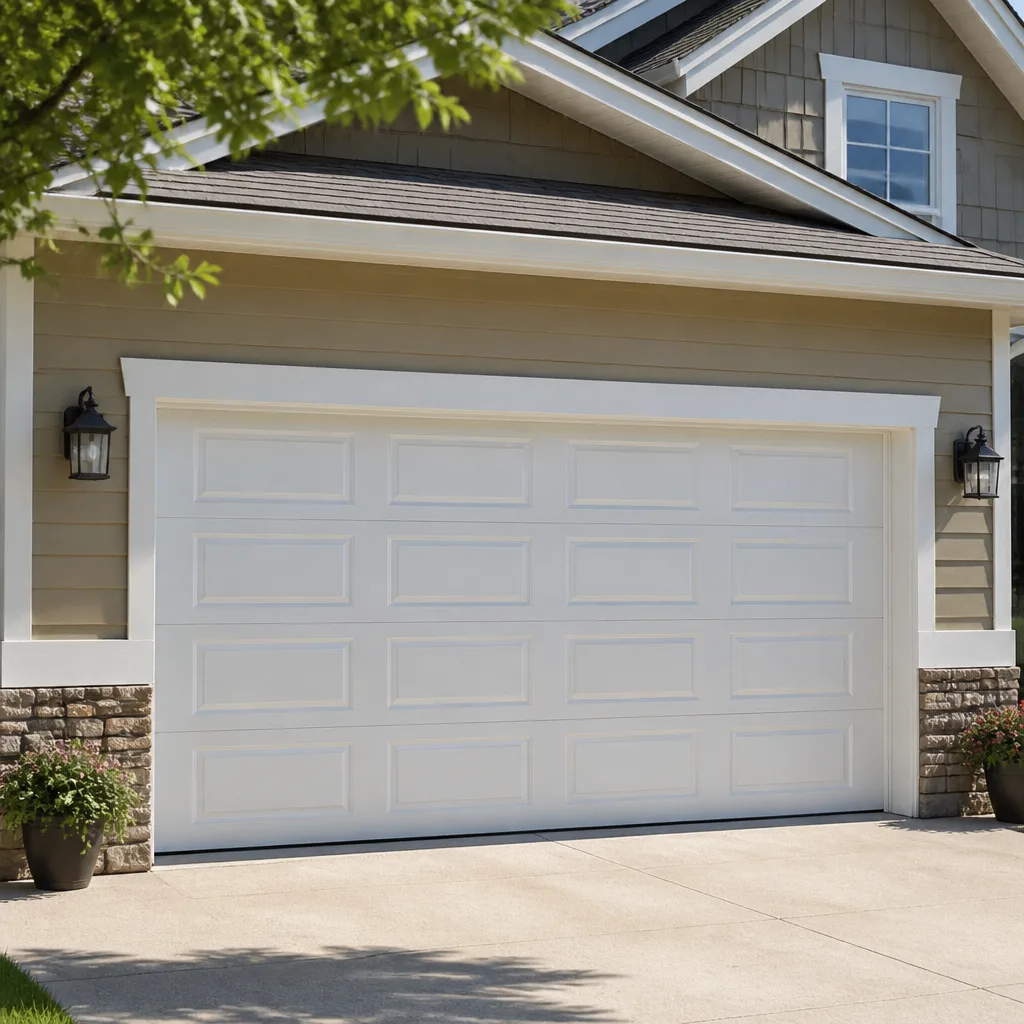 Raised-panel steel
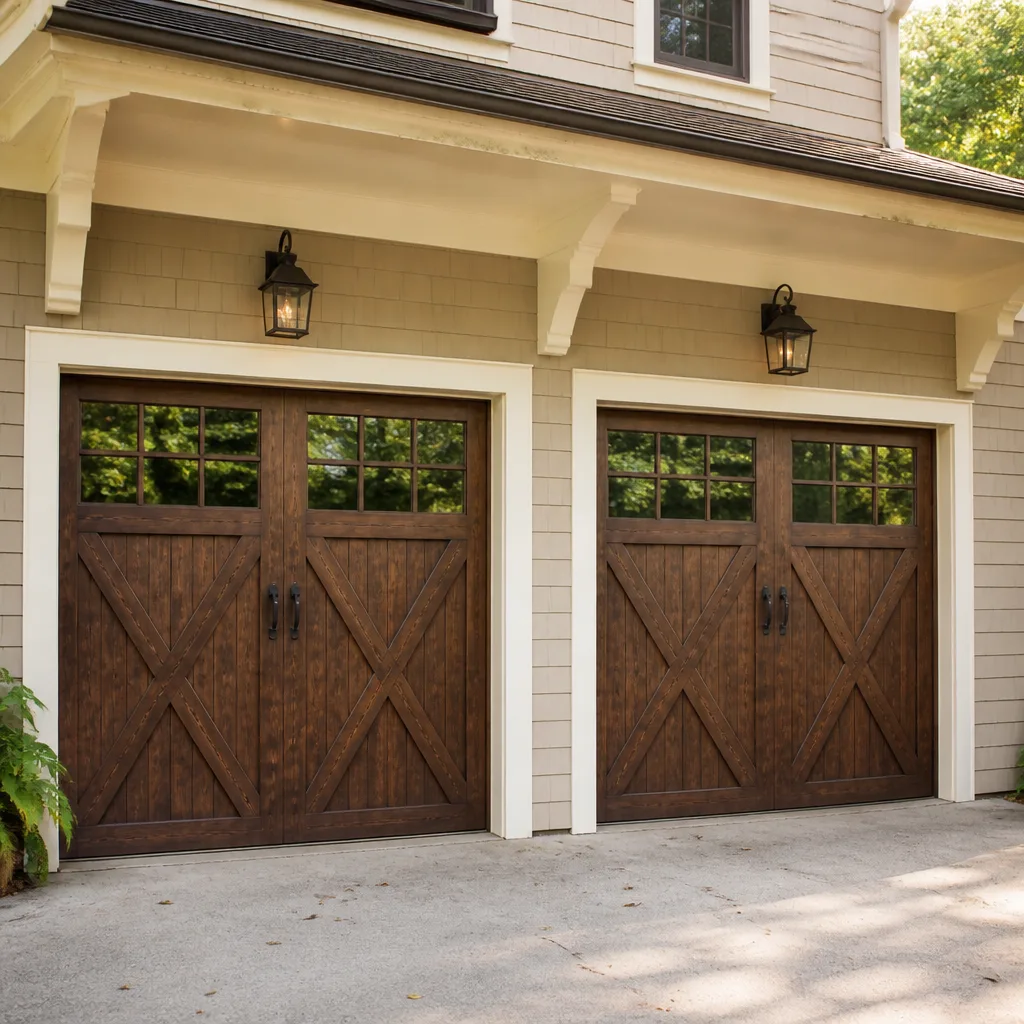 Carriage house
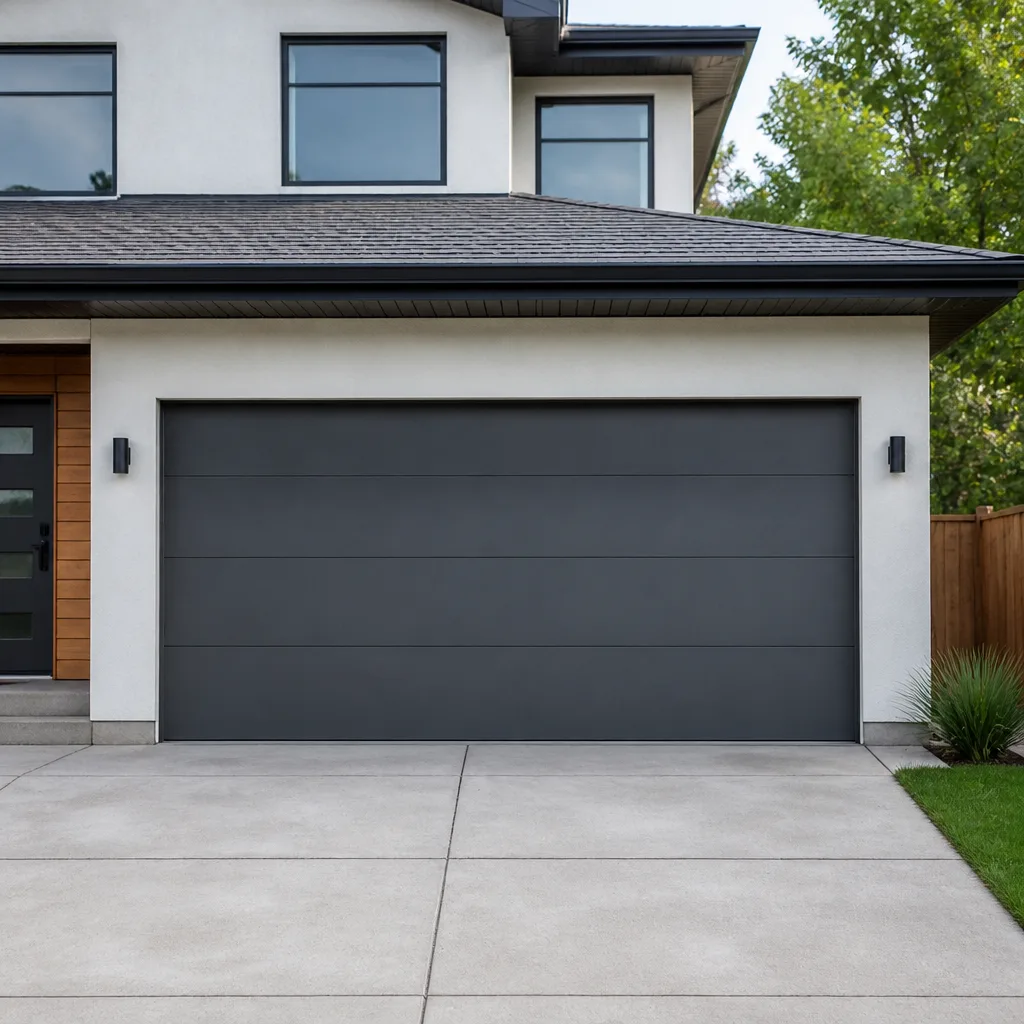 Modern flush
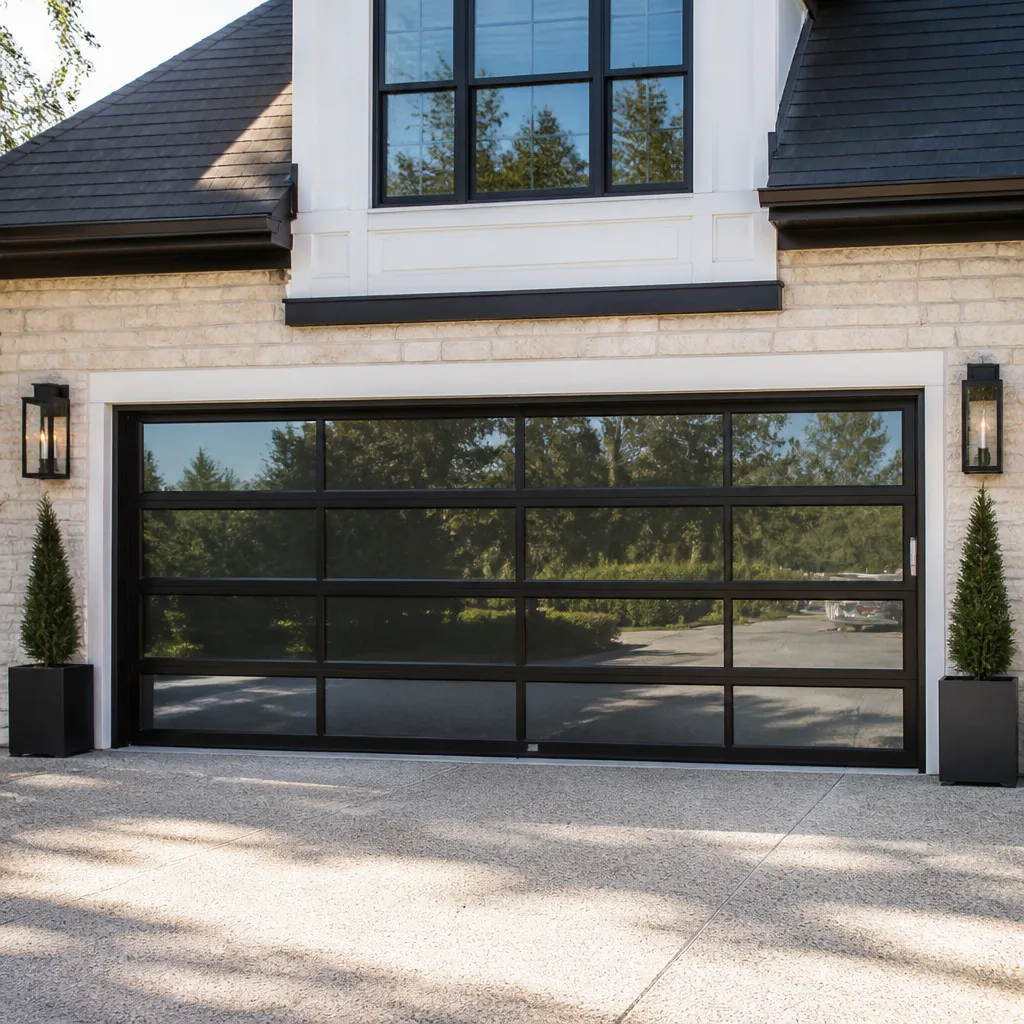 Full-view glass
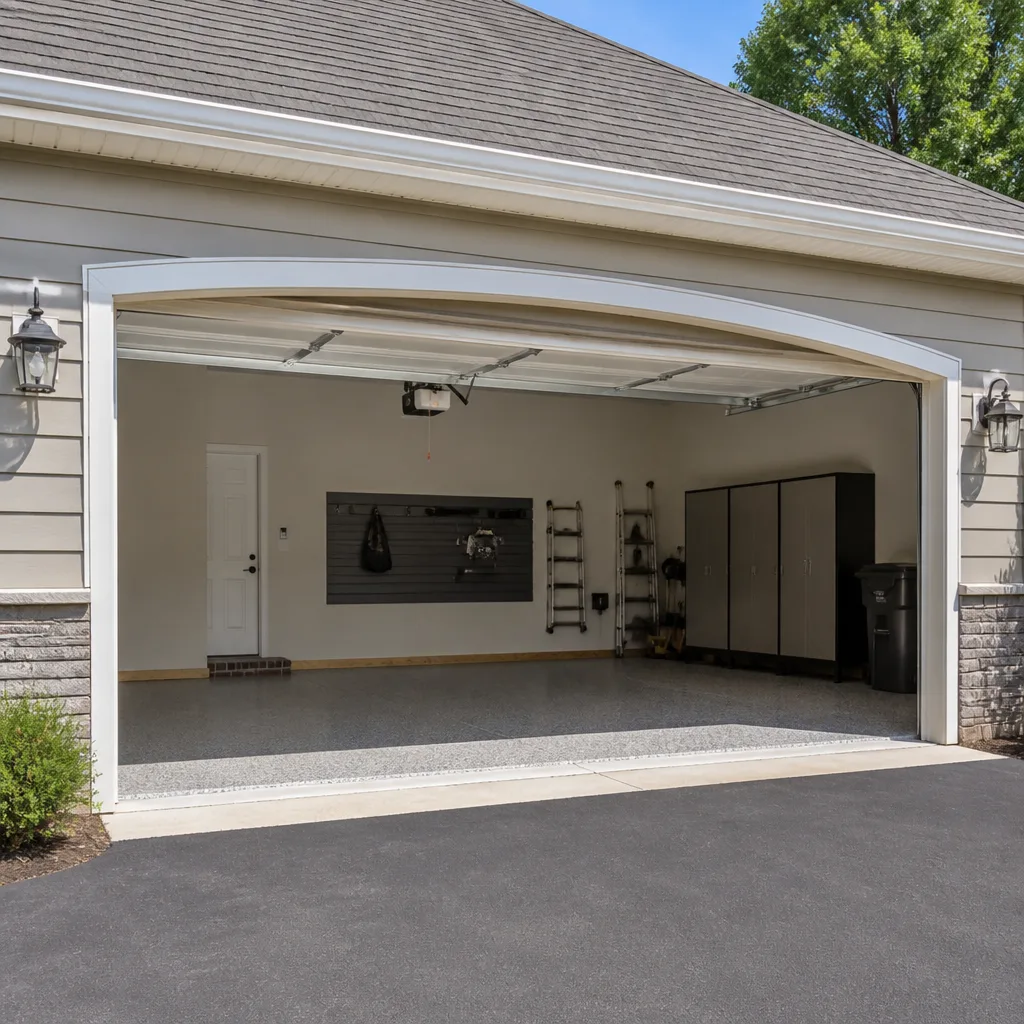 LiftMaster openers
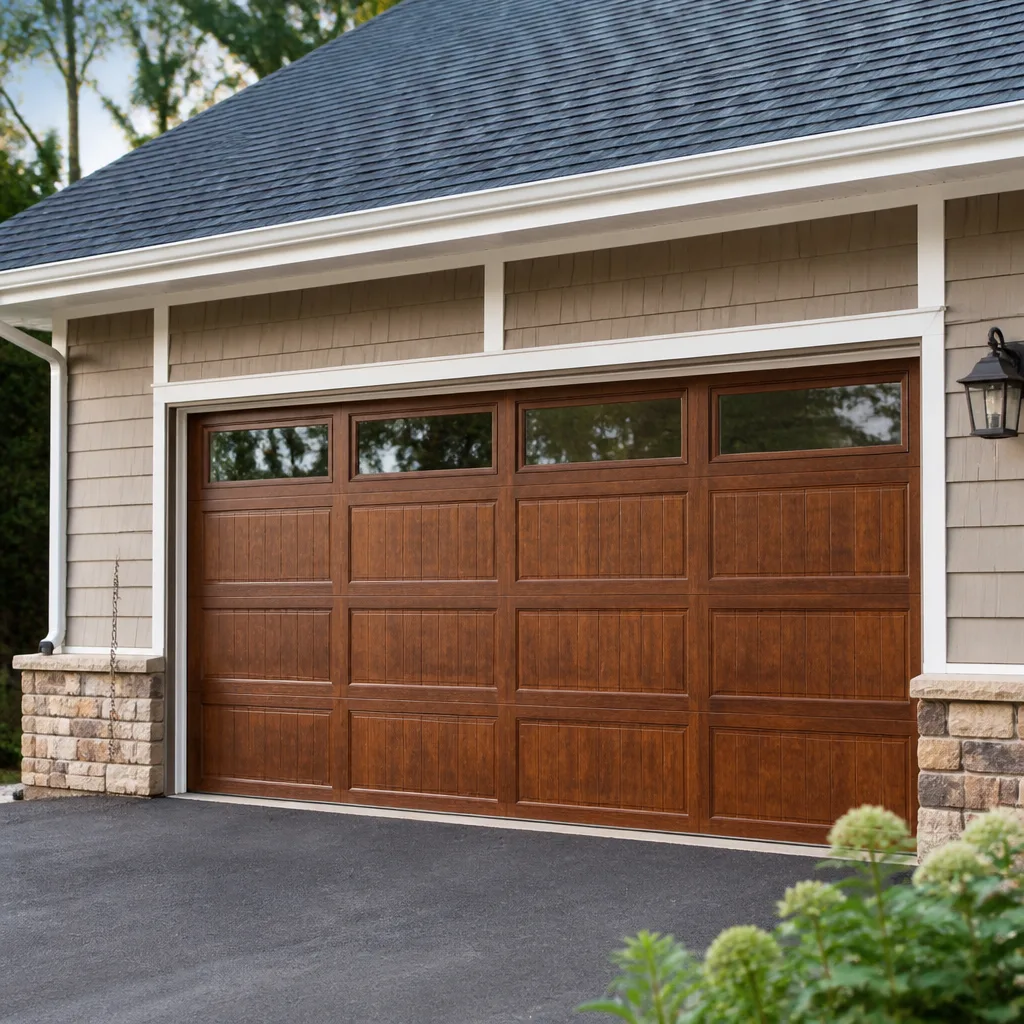 Chamberlain openers
Full 25-point door and opener safety check with every visit - springs, cables, rollers, tracks, and your LiftMaster or Chamberlain opener included
You get a price before we start. It does not change when the pro arrives.
Get your free estimateGarage Door Warning Signs: A Wheaton Homeowner’s Reference Guide
A garage door that hesitates for two seconds before it moves isn’t a harmless quirk. It’s an opener pulling excess amperage to drag the door past a friction point, and within weeks that strain either trips the thermal overload or cooks the motor board outright. We see it constantly across Wheaton: a door that “just feels a little slow” turns into a dead opener and a car trapped inside. Most warning sign articles give you symptoms and stop there, so you’re left guessing whether grinding means a repair today or next month. This guide pairs each symptom with the part that’s actually failing, explains the mechanism in plain English, and gives you a realistic window before it becomes a full breakdown or a safety hazard. Our technicians have up to 15 years of experience diagnosing exactly these failures in Wheaton homes.
Quick Answer
The garage door warning signs that matter most are hesitation before movement, a loud bang followed by a door that won’t lift, visible gaps in a torsion spring, frayed cables, and uneven or jerky travel. A broken spring or a frayed cable is a safety-critical failure that should stop you from using the door immediately, while grinding, rattling, or a door that’s merely slow is performance degradation you can schedule. When in doubt, treat any sudden noise or stalled lift as a reason to stop operating the door and get it looked at.
Styles & brands we work with
- Raised-panel steel
- Carriage house
- Modern flush
- Full-view glass
- LiftMaster openers
- Chamberlain openers
Table of Contents
- Symptom-to-Component Diagnostic Table
- Safety-Critical Failures vs. Performance Problems
- The Noise Taxonomy: Grinding, Squealing, Popping, Rattling
- What You Can Check Yourself (Without Tools)
- North-Facing Garages: The Wheaton Failure Pattern
- Springs and Cables: The Two Parts That Get People Hurt
- Opener Warning Signs You Can Hear Before You See
- How Long Do You Have? Realistic Failure Windows
Symptom-to-Component Diagnostic Table
Every warning sign points to a specific component. The trick is knowing which one, because two symptoms that sound similar can mean very different repairs. Here’s the symptom-to-part mapping we work from when a Wheaton homeowner describes a problem over the phone, followed by what’s actually happening inside the system.
- Loud bang, door won’t lift, opener runs but nothing moves → broken torsion spring. The bang is the spring winding down suddenly after it snaps.
- Door opens a foot then reverses → photo-eye sensor misalignment, or a binding track. Safety-critical if it’s the sensor.
- Grinding as the door travels → worn or flat-spotted nylon rollers, or a dry torsion bearing.
- Squealing at the start of each cycle → roller bearings or the opener’s gear assembly running dry.
- Popping or snapping from above the door → torsion spring coils slipping or a cable jumping its drum.
- Rattling throughout travel → loose hinge bolts, track brackets, or a slack chain drive.
- Door sags at one corner when raised → one extension spring has lost tension or a cable has slack.
- Opener hesitates, hums, or clicks without moving → motor board strain from excess amperage, or a failing start capacitor.
When someone in Wheaton calls and describes the door behavior, we can usually narrow it to two or three likely parts before anyone rolls up. That changes the whole visit: a technician shows up knowing whether the call is about a LiftMaster drive problem or a Clopay panel binding on its track, not guessing. Diagnosis by symptom is how a specialist works versus a generalist who has to inspect every part from scratch.
Safety-Critical Failures vs. Performance Problems
Some failures will hurt someone if you keep running the door. Others just make it noisy or slow. Knowing which bucket you’re in tells you whether to stop using the door tonight or schedule a repair when it’s convenient. Here’s the clear criteria we use.
Safety-critical failures mean stop operating the door now:
- Broken spring (torsion or extension). The door becomes dangerously heavy. A torsion system can no longer counterbalance, and an extension spring that’s snapped leaves the door unbalanced on one side.
- Frayed or snapped cable. Cables hold tension that snaps back with force. A frayed cable can fail without warning.
- Sensor misalignment or a dead photo-eye. An opener that can’t detect an obstruction is a crush hazard, and won’t reverse on contact.
- Door coming off its track or a bent track section. A door can drop or swing out of the frame.
- Loose torsion drum or a cable off its drum. This is a spring under full tension about to release.
Performance degradation you can schedule:
- Grinding or squealing that comes and goes but the door still travels smoothly.
- A door that’s slow to start but completes its cycle.
- Rattling or vibration without any change in how the door moves.
- Weather seal or bottom rubber wearing thin.
- A single burned-out opener light or a remote that needs reprogramming.
If you’re ever unsure which category applies, treat it as safety-critical. For the components under tension, we keep garage door spring repair as its own dedicated service, because working a torsion system safely takes trained hands and the right winding bars, not a general repair call.
The Noise Taxonomy: Grinding, Squealing, Popping, Rattling
Noise is the garage door telling you where the problem lives. But the same noise means different things depending on whether your door runs a torsion system (the spring on a shaft above the door) or an extension spring system (springs running along the horizontal tracks). This is where generic guides fall short. Here’s the breakdown we use.
Grinding
In a torsion system, grinding usually comes from a dry bearing plate at the end of the torsion shaft or flattened nylon rollers scraping the track. In an extension system, grinding often points to a stretch spring rubbing against its safety containment cable. If grinding started suddenly and comes with a rough, catching feel, the rollers are the first place to look.
Squealing
Squealing at the start of a cycle is nearly always a lubrication problem in the rollers or the opener’s gear assembly. On a torsion door it can also be the torsion bearing plates. It’s rarely urgent on its own, but left long enough a dry bearing seizes and the door binds.
Popping
Popping or a sharp snap from above the door is the one to take seriously. In a torsion system it can mean spring coils are binding and releasing, or a cable is about to jump its drum. In an extension system, it can be a spring catching on its containment cable. Popping is a candidate for safety-critical.
Rattling
Rattling throughout travel is usually loose hardware: hinge bolts, track brackets, or a slack chain in a chain-drive opener. It’s rarely dangerous but it accelerates wear on everything attached to the loose part. A chain-driven Genie or Chamberlain with a loose chain will rattle and eventually jump the sprocket.
The distinction matters in Wheaton because we see both torsion and extension systems on older homes and newer builds alike. A technician who knows the difference diagnoses by system type first, not by ear alone.
What You Can Check Yourself (Without Tools)
You don’t need to touch anything under tension to spot trouble early. These visual checks are safe for any homeowner and catch the failures that matter most before they get expensive. Do them with the door closed and the opener disconnected if you’re going to look closely.
- Look at the torsion spring above the door. A healthy spring is one solid coil. A visible gap in the coil, or a spring that hangs loose, means it’s broken. Do not try to lift the door by hand afterward.
- Check the cables at each bottom corner. Run your eyes along the cable where it meets the drum and the bottom bracket. Fraying looks like frayed rope, with broken strands sticking out. Any fraying means stop using the door.
- Look at the rollers. With the door closed, the rollers sit in the track. Worn rollers look flat on one side or have a visible groove. A cracked or chipped nylon roller is a replacement candidate.
- Check the bottom weather seal. A seal that’s torn, hardened, or separated from the door lets in water and pests and signals it’s due for replacement.
- Test the safety reverse. With the door open, place a small object in the door’s path and close it. The door should reverse on contact. If it doesn’t, the opener’s force setting or sensor needs attention.
- Watch the door travel evenly. Stand back and watch it open. A door that racks (tilts to one side) or jerks means it’s out of balance or a spring has lost tension.
Anything that involves the spring, the cables, or a door that won’t stay up on its own is a stop-and-call situation. Those parts store energy that releases violently, and no homeowner should be working them by hand. If you spot any of these in your Wheaton home, our garage door repair team can walk you through what to do next.
North-Facing Garages: The Wheaton Failure Pattern
Garage orientation quietly shapes how fast a door fails, and it’s something most guides never mention. In Wheaton, homes with garages that face north spend most of the day in shade. That changes the wear pattern on two parts in particular: the door panels and the bottom weather seal.
The sun’s UV does two jobs on a garage door. It fades paint and breaks down the outer skin, but it also bakes moisture out of the seals and hardware. A north-facing door gets far less of that drying sun. The practical result: painted steel panels on a north-facing door tend to hold moisture longer, so the finish on the lower panels can fail and start to rust before the finish on a sun-baked door would. Unprotected steel (no factory finish, or a finish that’s already worn through) fades and corrodes faster on a shaded north wall than on a south-facing one, because the panel stays damp. So the “north-facing door fades faster” instinct is only half right: UV damage is lower, but moisture-driven finish failure is higher.
The bottom seal tells the same story. A rubber or vinyl seal on a north-facing door stays damp at the ground line and hardens, cracks, and pulls away from the door faster than a seal that dries out each day in the sun. Homeowners in Wheaton with a shaded driveway often notice a draft or water at the door bottom before they notice any mechanical problem. That’s not a sign the door is failing; it’s a sign the seal is due. Checking the bottom seal and the lower panel edges twice a year, and keeping a factory-finished door rather than a bare or worn one, is the practical hedge against this pattern.
Openers feel orientation too. A north-facing garage that stays cold can make a chain or belt drive run stiffer in cool weather, and a Genie or LiftMaster unit may sound labored on the first cycle of the morning. That’s usually a lubrication or tension issue, not a failing motor, but it’s worth a look.
Springs and Cables: The Two Parts That Get People Hurt
Springs and cables are the only parts on your garage door that store enough energy to seriously injure someone. Every other repair on the door is routine; these two are the ones to leave alone. Here’s what each failure looks like and why it’s different from the rest.
Torsion springs
A torsion spring is a tightly wound coil mounted on a shaft above the door. It does the heavy lifting of counterbalancing the door’s weight. When it breaks, you hear a sharp bang and the door suddenly feels like it weighs far more than it should. A torsion spring usually gives a warning before it fails: a widening gap between coils, or a visible separation where a coil has cracked. The door may still lift for a while on the remaining tension, which is the danger: people keep using a door that’s about to fail completely.
Extension springs
Extension springs run along the horizontal tracks on each side and stretch as the door closes. They’re more common on older doors and carry their own risk because they can snap toward a person or a car. A containment cable should run through the middle of each extension spring; if it’s missing or loose, that’s a safety gap. A sagging door on one side often means one extension spring has lost tension.
Cables
Cables connect the bottom corners of the door to the spring system and hold things in balance. They fray over time where they wind around the drum. A frayed cable looks like a frayed rope with broken strands, and it can snap with force. If you see fraying, stop using the door.
We handle both torsion and extension spring work because it’s the highest-risk part of this trade, and it deserves a specialist. LiftMaster and Chamberlain openers are built to work with a balanced spring system; when the springs are off, the opener takes the strain and fails early, which is why spring problems often show up first as opener problems. A brand-familiar technician traces the opener symptom back to the spring before recommending a motor. That’s the difference between a real fix and a repeat visit.
Opener Warning Signs You Can Hear Before You See
The opener often fails after the springs do, absorbing strain from an unbalanced door until its board gives out. These signs tell you the opener itself is in trouble, and they’re worth catching early because a burned motor board is a bigger job than a worn gear.
Hesitation and humming
If the opener hums or clicks without moving the door, the motor is getting power but can’t turn, usually because the door is too heavy or something is binding. On a LiftMaster or Chamberlain unit, a hum-then-nothing pattern is a classic sign of a bad start capacitor or a door that’s out of balance.
Straining to lift
An opener working harder than it should will sound labored and run hot. On a modern LiftMaster smart drive, this often shows up as a motor that’s warm to the touch after a normal cycle. It’s drawing excess amperage to overcome friction, and left alone it trips the thermal overload or damages the board.
Inconsistent reversing
If the door reverses at random without anything in its path, or travels a few inches and stops, the travel limits or the safety sensors need attention. On a Genie or Craftsman belt-drive, this is often a sensor or limit-switch issue, not a motor failure.
Lights that flicker or dim
Opener lights that flicker or a remote that works only up close point to wiring, the logic board, or a worn remote battery. On a LiftMaster with MyQ-style connectivity, a unit that drops off the app and behaves erratically is usually a board or sensor issue.
When the symptom points to the drive system, we keep garage door opener repair separate from general repair so it gets the right diagnostics. We’re factory-familiar with LiftMaster, Chamberlain, Genie, and Craftsman openers, so we can tell a failing board from a misadjusted limit switch without replacing parts that don’t need it. The right fix is the one that matches your system, not a one-size repair.
How Long Do You Have? Realistic Failure Windows
One of the things people ask most is whether they can wait. The honest answer depends entirely on which part is failing, because these components fail on very different clocks. Here’s a realistic window for each warning sign.
Act today
- Broken spring or frayed cable. Stop using the door now. The next cycle could release stored energy dangerously, and the opener is taking the full weight in the meantime.
- Door off track or sagging hard to one side. The door can drop. Don’t run it.
- Safety reverse fails to trigger. A door that won’t reverse on an obstruction is a crush hazard to people and pets today.
Schedule within a week or two
- Grinding or squealing with an otherwise smooth door. Worn rollers or dry bearings are accelerating wear but not yet dangerous.
- A door that’s slow to start but completes the cycle. This is the friction-point warning. Left for a few weeks, it turns into a thermal-overload trip or a dead motor board.
- Popping that comes and goes. Get it checked sooner rather than later; popping can be the last sign before a spring fails.
Plan for it
- Rattling, vibration, worn weather seal, one remote misbehaving. These are tune-up and maintenance items.
The key pattern is that most full breakdowns start as a small performance problem. A door that hesitated for a couple of seconds to start is an opener drawing extra amperage, and in a genuine emergency the difference between a quick repair and a dead motor is timing. For the sudden failures, our garage door repair service keeps an emergency line and a same-day response for urgent calls, because a trapped car is not something to leave until next week. If a door fails and you can’t wait, that’s exactly what emergency garage door service is for.
Common Mistakes to Avoid
- Assuming a slow door is nothing. Hesitation is an early friction warning. Ignoring it for weeks usually costs you a motor board, a bigger repair than new rollers or a tension adjustment would have been. In Wheaton, where many homes run original openers, this is the most common avoidable failure.
- Pulling the manual release while the door is up. Releasing the opener with the door open and no way to balance it can let the door drop. Only use the release with the door fully closed and the spring system intact.
- Trying to adjust the spring or cable yourself. These parts store dangerous energy. A homeowner should never take a winding bar to a torsion spring or chase slack in a cable, regardless of what a video shows.
- Lubricating the wrong parts. Oil on the cables or the spring coils is the wrong call. Lubrication goes on rollers, hinges, and the track, not on the tension parts.
- Replacing the opener when the spring is the problem. A brand-new opener on an unbalanced door fails early. Diagnose the door before the motor.
- Skipping the north-facing seal and panel check. Shaded Wheaton garages hold moisture, and the bottom seal fails quietly. Check the lower panels and seal twice a year so it doesn’t turn into a rusted panel replacement.
- Choosing a general handyman for a spring or opener job. A single-trade specialist has the parts and brand knowledge. A multi-trade company diluting its focus often has to source or guess at what your door needs.
See the difference
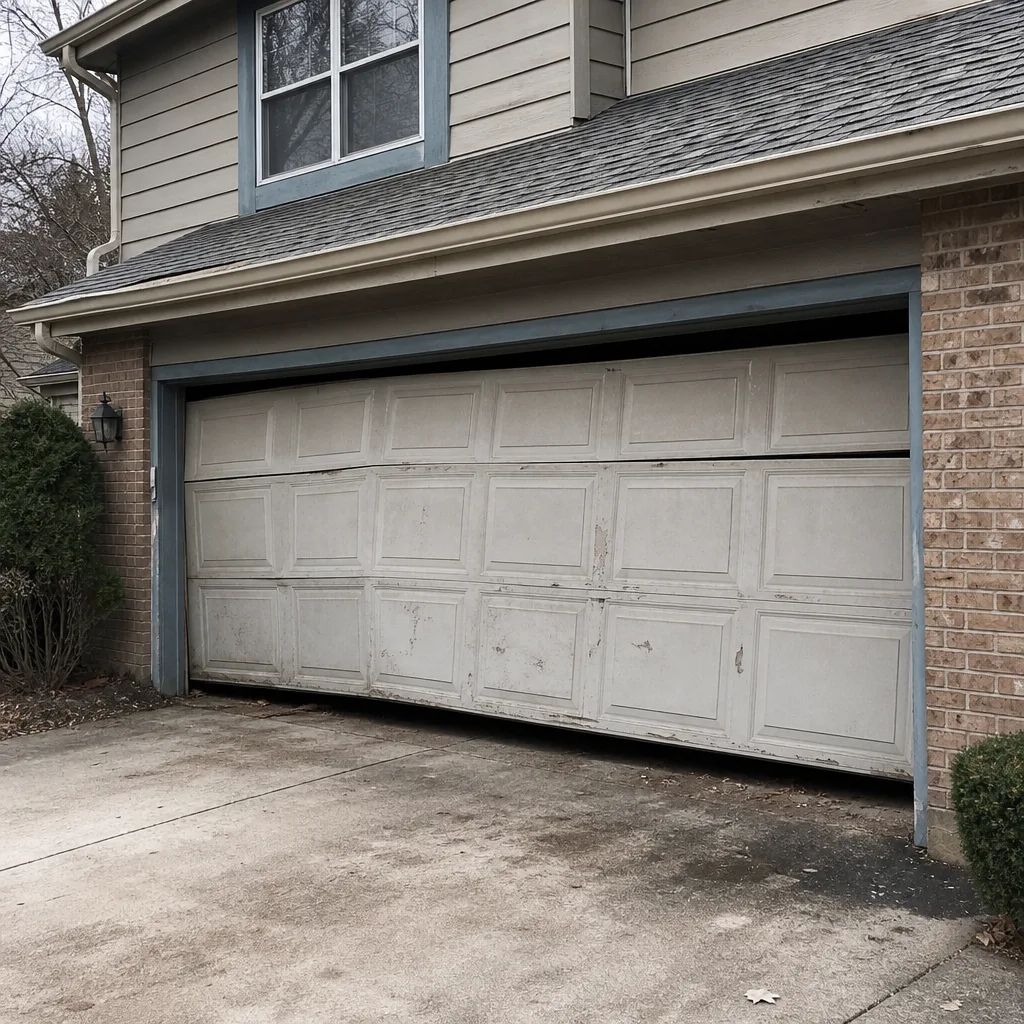 Before
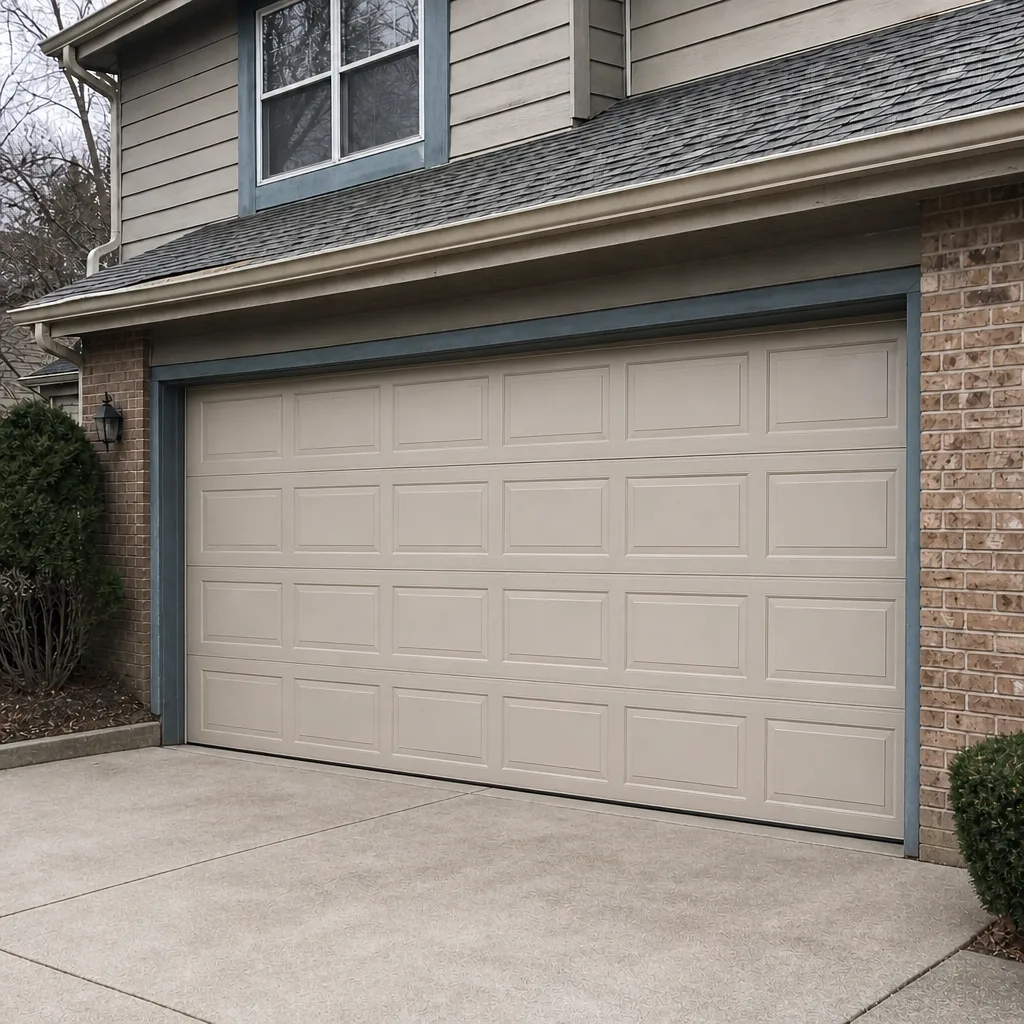 After
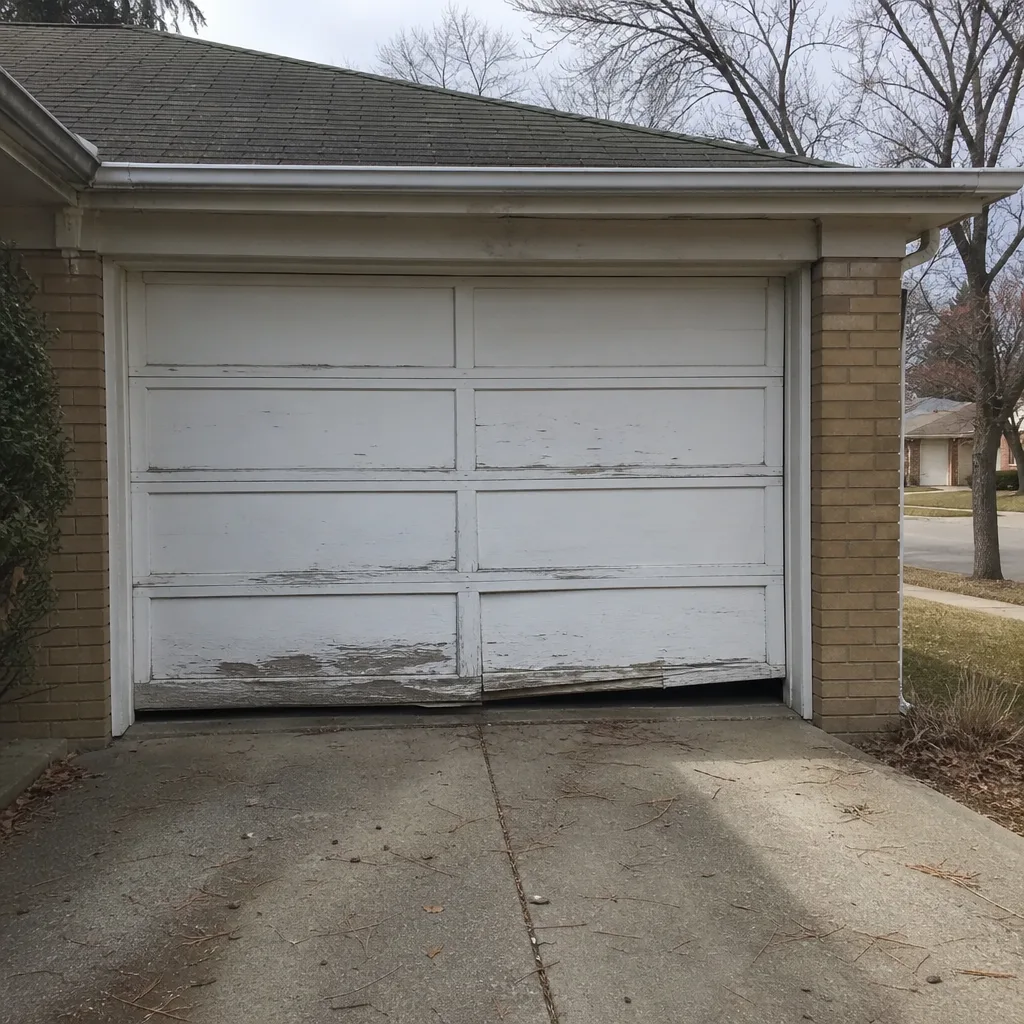 Before
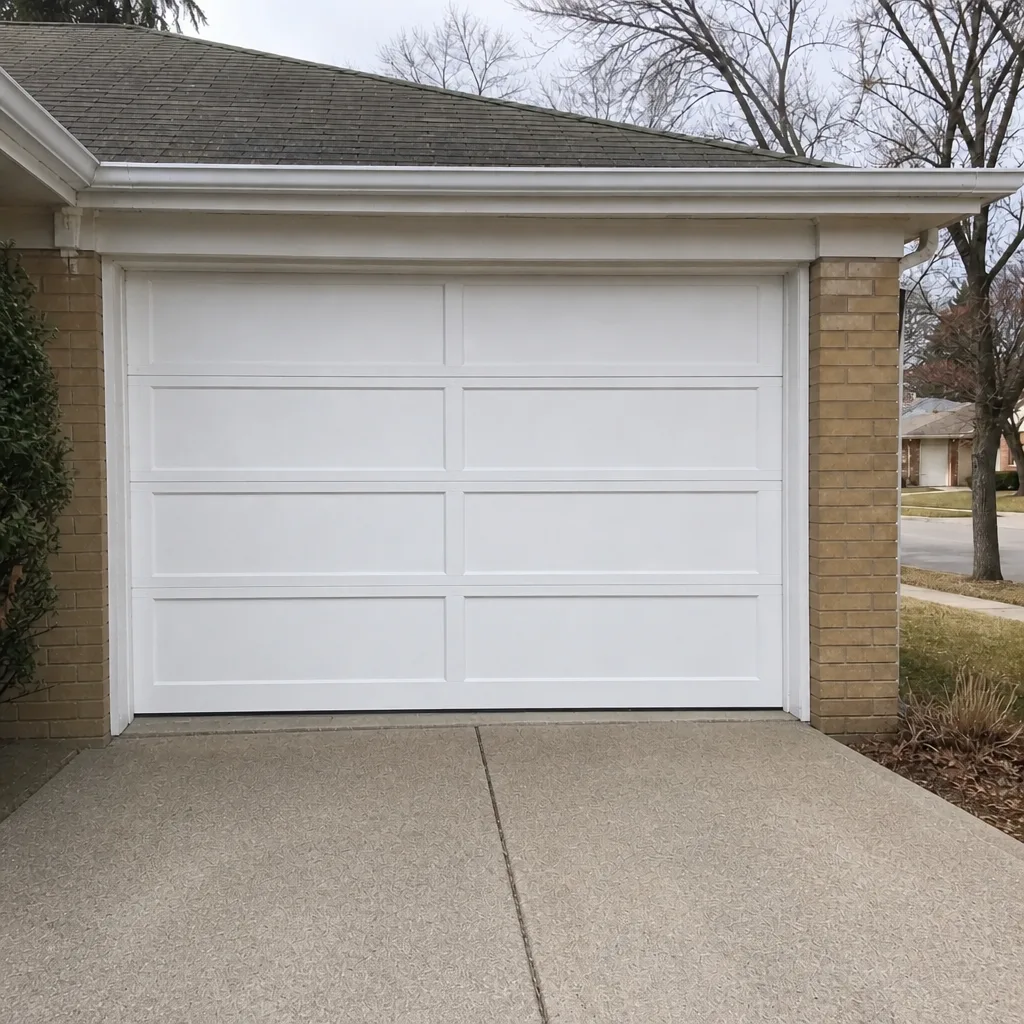 After
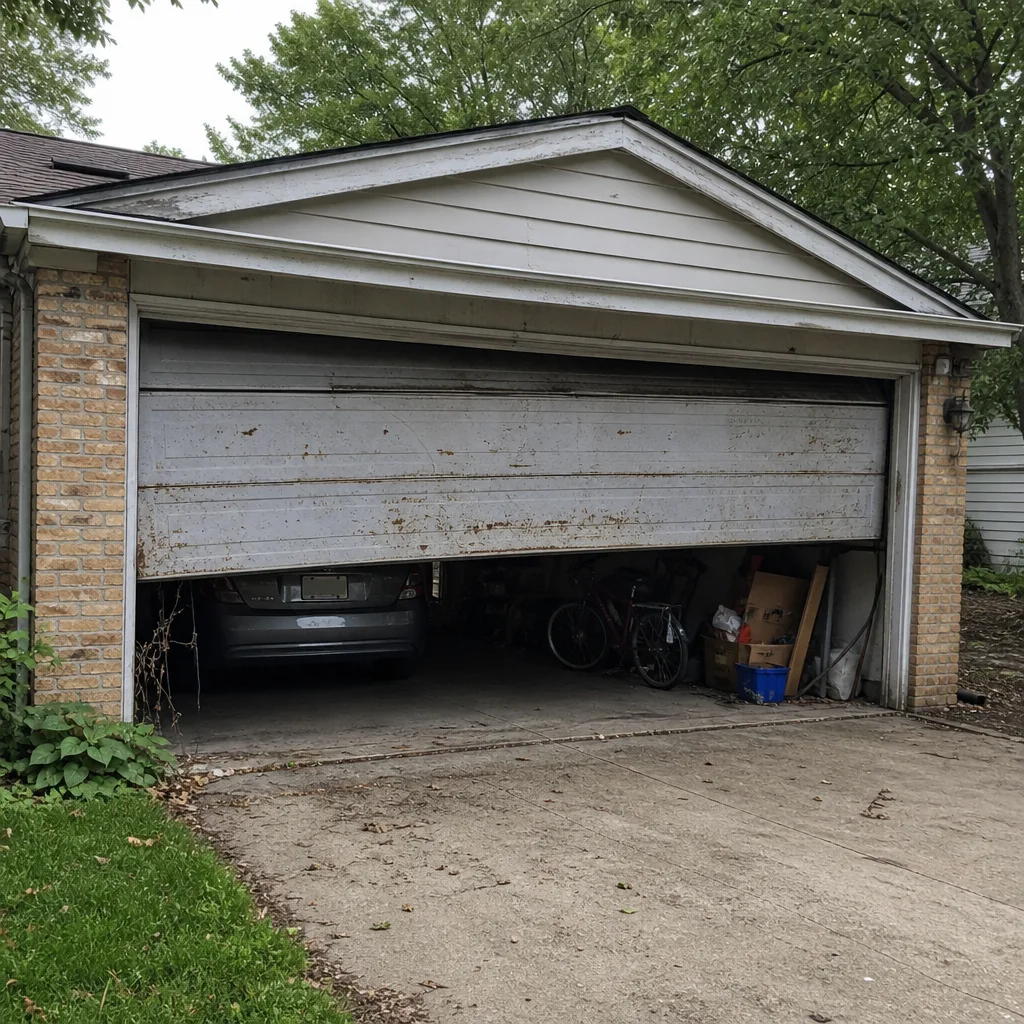 Before
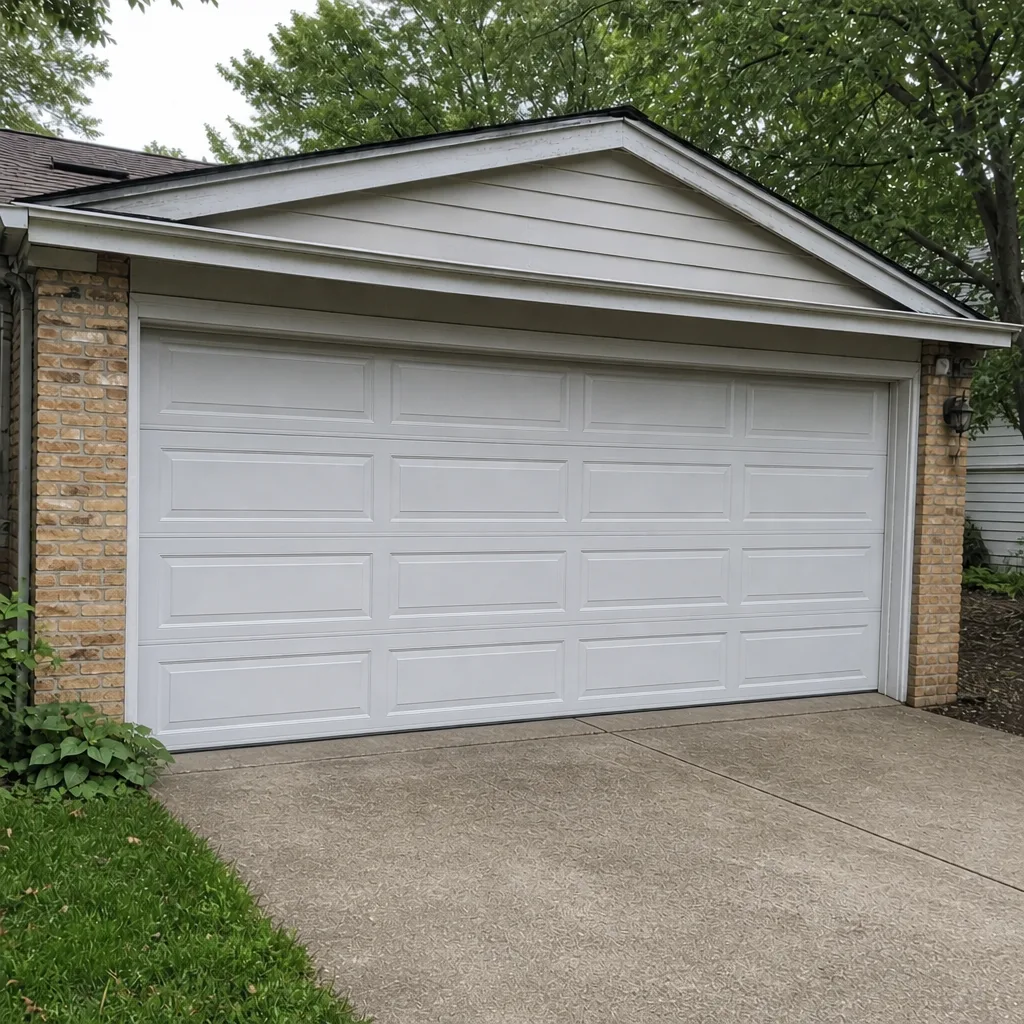 After
When to Call a Professional
Call a professional the moment you see any of the safety-critical signs: a broken spring, a frayed or snapped cable, a door off its track, a failed safety reverse, or a door that won’t stay up on its own. For performance problems like grinding, rattling, or a door that’s slow to start, call before it becomes a breakdown; that’s when a small repair stays small. And call if you’re not sure which category applies, because the cost of guessing wrong is high. Wheaton Garage Door Repair Co offers free estimates in Wheaton – call (844) 789-3469. We work on your brand, from Raynor and Clopay doors to LiftMaster and Chamberlain openers, and we diagnose the actual failing part rather than selling a replacement you don’t need. Our technicians have up to 15 years of experience, and every appointment comes with the price quoted and agreed before any work starts, so there are no surprises on the invoice.
Frequently Asked Questions
The first warning signs are usually hesitation before the door moves, a door that’s slow to start, or a new grinding or squealing sound. These are early friction or wear signals. Catching them before they turn into a stalled door or a dead opener is the cheapest fix you’ll make.
A broken spring is dangerous because the door loses its counterbalance and becomes far heavier than it should be, and the remaining energy in a damaged spring can release suddenly. If you hear a loud bang or see a gap in the torsion coil, stop using the door and call a professional. We treat spring failure as safety-critical, which is why we handle garage door spring repair as its own service with trained handling.
No. Once a spring breaks, the door is too heavy to lift safely by hand and the opener will strain or fail trying. Use a different entrance and call for service. Forcing a door with a broken spring can damage the tracks or cause the door to drop.
Hesitation is usually the opener drawing extra amperage to overcome a friction point, or a spring that’s lost some tension. It can also be a cold-weather stiffness in the tracks or the opener’s drive. Left alone, it commonly leads to a tripped thermal overload or a burned motor board. Call (844) 789-3469 for a free estimate before it fails completely.
A torsion spring failure is a sharp bang above the door and a door that suddenly becomes very heavy; an extension spring failure often shows a door that sags on one side or a spring that’s snapped along the side track. Both are safety-critical. The repair approach and tools differ, so knowing which system your door runs matters.
Repair is usually the right call when the door is structurally sound and the problem is a single part like a spring, cable, or opener. Replacement makes sense when panels are rusted through, the door is repeatedly failing in different places, or you want a factory-finished door that handles our shaded north-facing conditions better. A free estimate tells you which is the better value for your specific door.
The Bottom Line
Most garage door failures announce themselves well before they happen. Hesitation means an opener under strain. Grinding and squealing mean wear in rollers or bearings. Popping and a bang mean a spring under tension. The whole job for a homeowner is knowing which of those is safety-critical at the moment and which can wait for a scheduled repair. Treat a broken spring, a frayed cable, a door off track, or a failed safety reverse as a stop-and-call today. Treat grinding, rattling, and slowness as a reminder to schedule before they get expensive. When it’s the Wheaton Garage Door Repair Co, you get a specialist who works on your brand and quotes the price before the work starts. Call (844) 789-3469 for a free estimate and we’ll help you read the signs correctly, starting with the Wheaton Garage Door Repair Co team.
Written by the team at Wheaton Garage Door Repair Co.