Last updated November 22, 2026
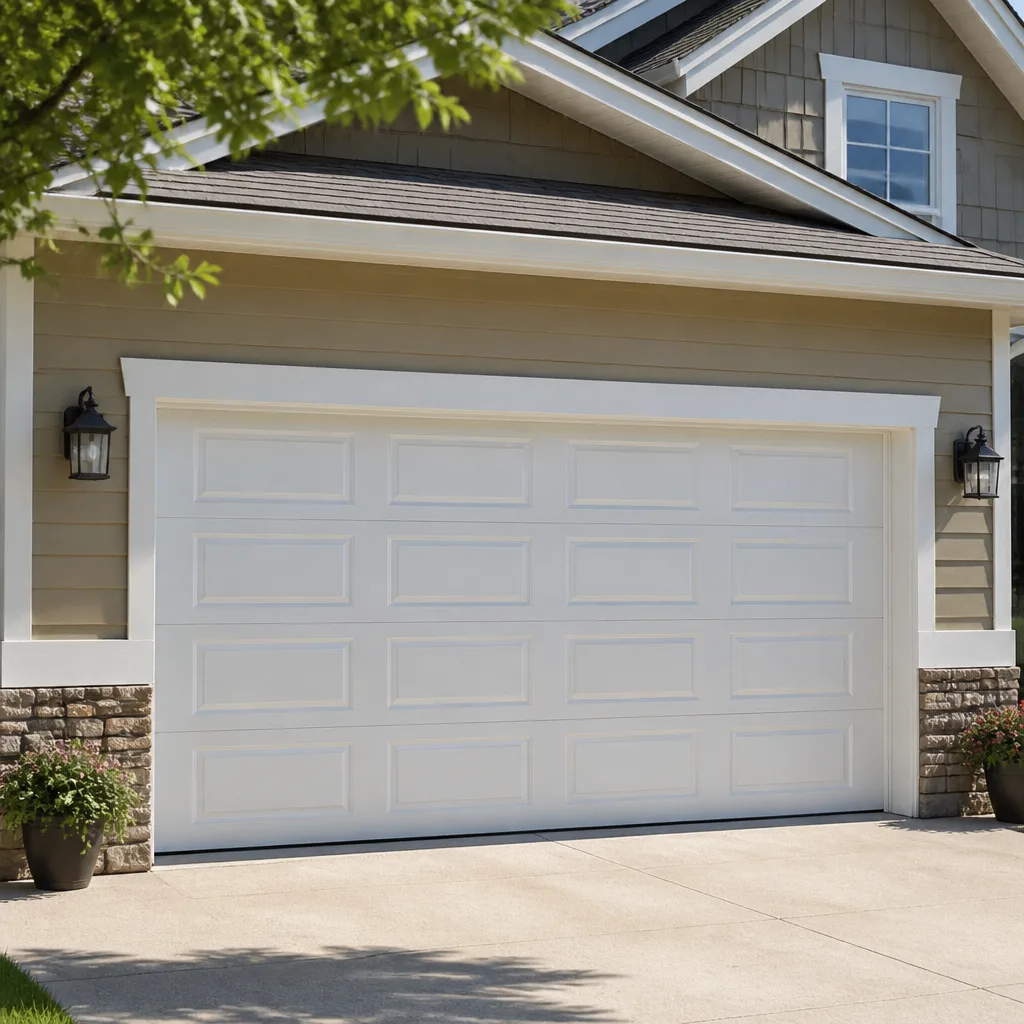 Raised-panel steel
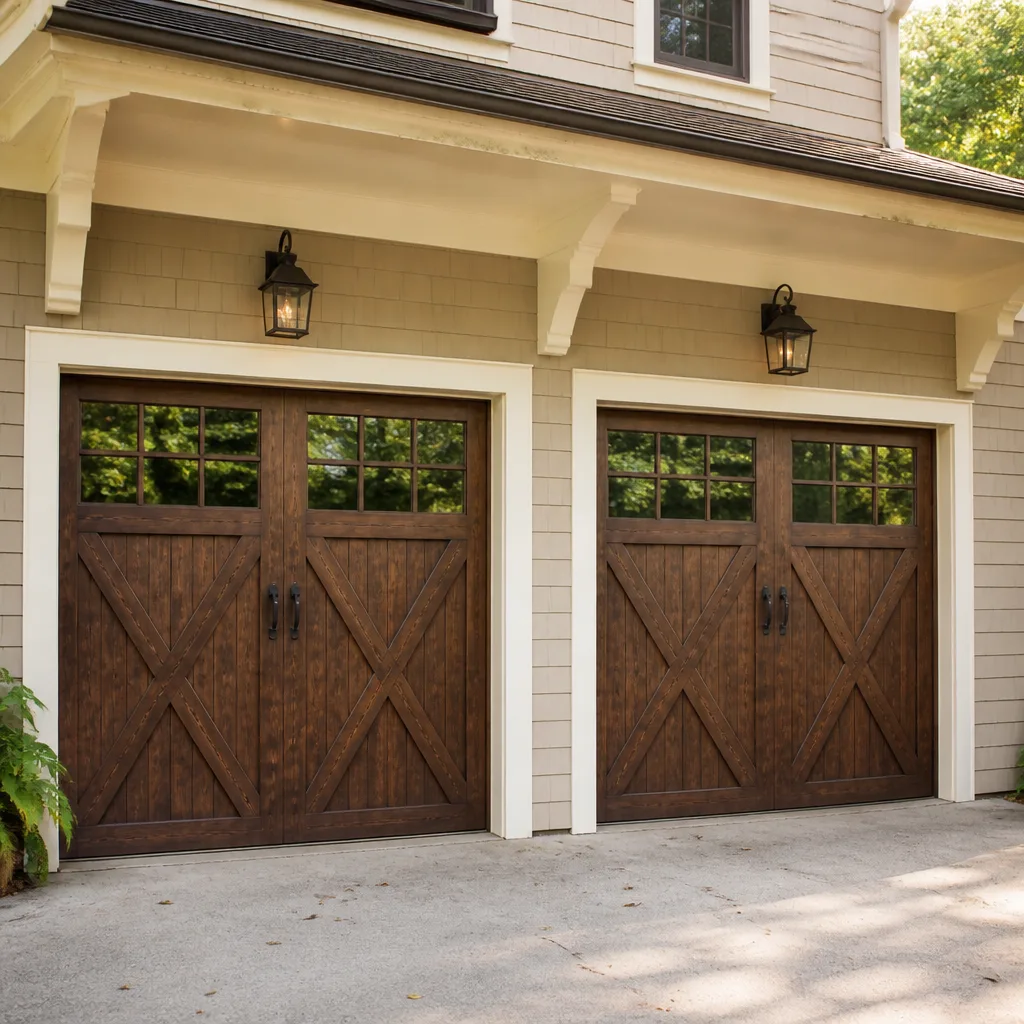 Carriage house
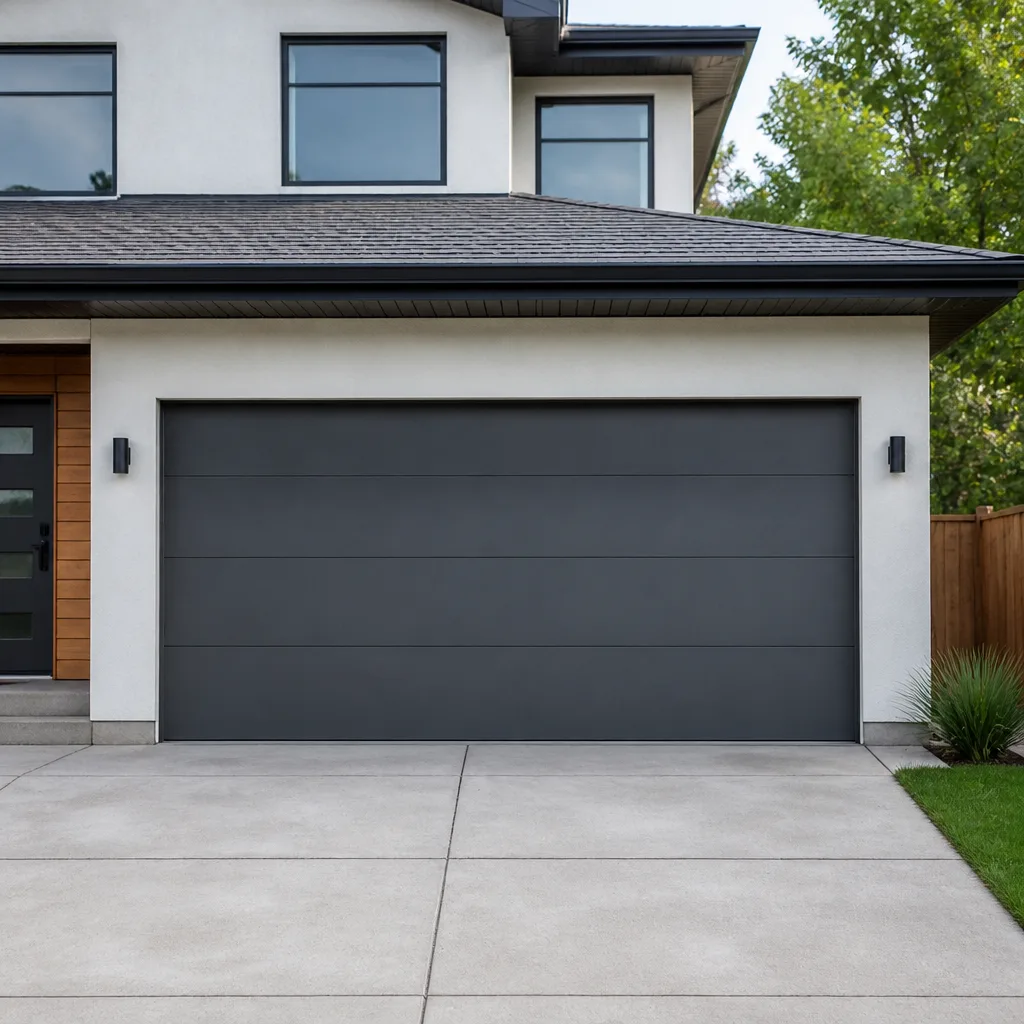 Modern flush
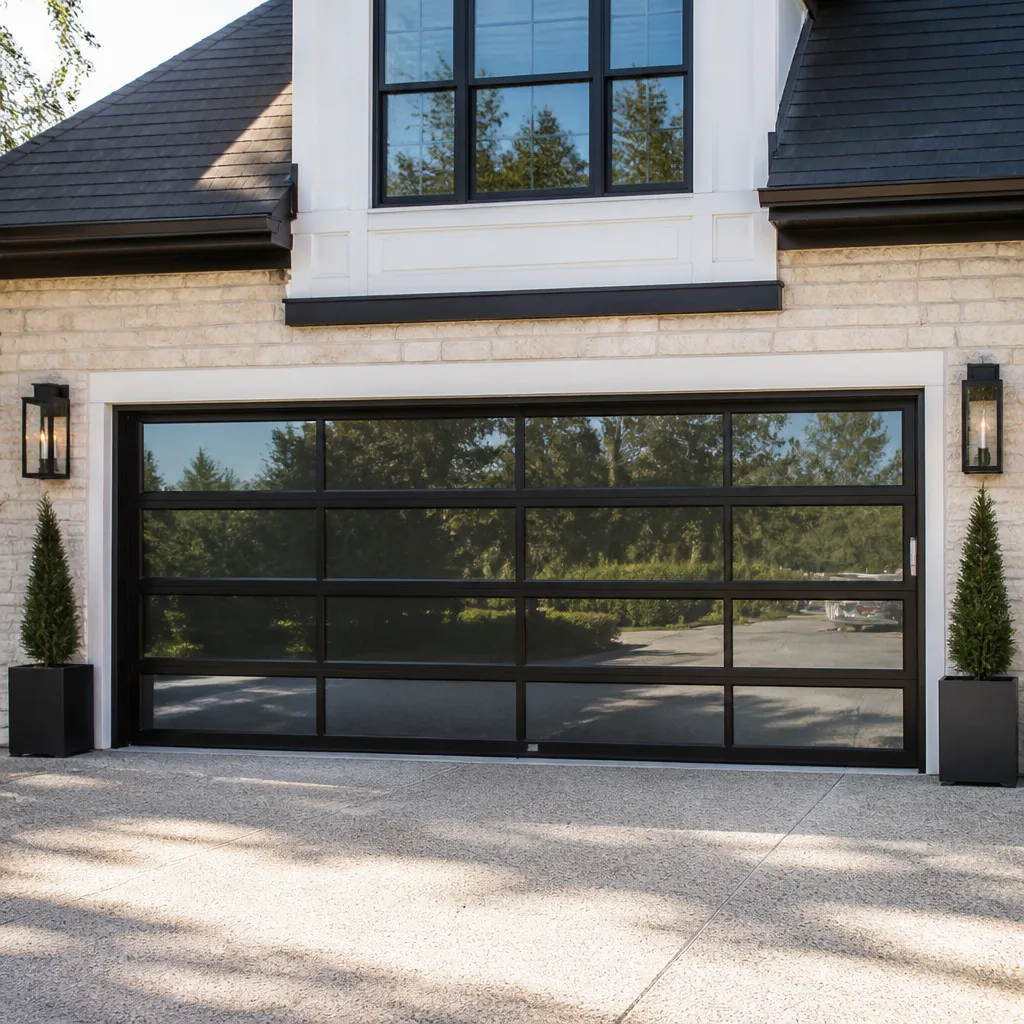 Full-view glass
 LiftMaster openers
 Chamberlain openers
Full 25-point door and opener safety check with every visit - springs, cables, rollers, tracks, and your LiftMaster or Chamberlain opener included
You get a price before we start. It does not change when the pro arrives.
Get your free estimateSeasonal Garage Door Care for Wheaton: Year-Round Homeowner’s Guide
Most Wheaton homeowners brace for the garage door to fail in January. In our experience, the damage is usually done in March and November, when the temperature can swing from 15°F overnight to 50°F by afternoon and back again for weeks on end. That thermal cycling works torsion spring metal and stretches cables in a way steady cold never does. Winter just reveals the wear the shoulder seasons created. This guide maps Wheaton’s actual climate calendar to the specific things worth checking on your door and opener, season by season, so you’re fixing small issues before they strand a car in the driveway. You’ll learn what each season stresses, what to inspect, and when a job belongs with a specialist rather than a Saturday afternoon.
Quick Answer
Seasonal garage door care in Wheaton comes down to timing your inspections around the freeze-thaw cycle, not the calendar seasons. Check springs, cables and track alignment after the March and November temperature swings when metal fatigue accumulates fastest, watch bottom seals and wood composite panels through the humid June-to-August stretch, and adjust opener force and lubrication before the first hard freeze. A slow or stuck door is usually a sensor, lubrication or spring problem, and each has a different fix.
Styles & brands we work with
- Raised-panel steel
- Carriage house
- Modern flush
- Full-view glass
- LiftMaster openers
- Chamberlain openers
Table of Contents
- Why Wheaton’s Climate Calendar Beats a Generic Seasonal Checklist
- The Shoulder Seasons: March and November Thermal Cycling
- Summer Humidity and What It Does to Seals and Panels
- The Fall Pre-Winter Checklist: Three Failure Modes to Catch
- Winter Operational Adjustments: Force, Viscosity and Slowness
- Spring Inspection After Frost Heave
- When to Call a Specialist Instead of Checking It Yourself
Why Wheaton’s Climate Calendar Beats a Generic Seasonal Checklist
Generic garage door care tells you to lubricate in spring and tighten bolts in fall. That advice was written for a climate that doesn’t exist here. Wheaton sits in a continental pattern with sharp seasonal transitions: warm, humid summers with high dew points, cold winters that hold below freezing for stretches, and two shoulder seasons where the thermometer moves twenty to thirty degrees between night and afternoon. Each of those conditions pushes a different part of your door toward failure.
Here’s the practical difference. In a place with steady cold, a torsion spring sees a relatively constant load and fatigues slowly and predictably. In Wheaton, that same spring cycles through contraction and expansion repeatedly in March and again in November, and each cycle is a small stress event on the metal. The result is that spring fatigue here doesn’t track the deepest cold – it tracks the transitions. The same logic applies to cables, which stretch and relax with the door’s travel and the temperature both, and to the track and floor seal as the ground beneath the slab freezes and thaws.
So we don’t hand homeowners a four-season list and call it done. We map the work to what Wheaton’s weather is actually doing to the door:
- Shoulder seasons (March, November): spring and cable stress, track movement, opener strain as the door gets heavier in the cold.
- Summer (June-August): humidity driving wood composite panel swelling and bottom seal adhesion problems.
- Fall (October-November): the window to catch the three failures most likely to strand you in a December cold snap.
- Winter (December-February): opener force settings, lubricant behavior below 20°F, and diagnosing slowness.
- Spring thaw (March-April): frost heave shifting the slab, the floor seal and the door’s alignment.
Every one of those is something you can inspect and, in most cases, act on. Where the work turns dangerous – springs and cables chief among them – we’ll tell you plainly and point you to a specialist. Our technicians have up to 15 years of experience with the systems that end up on Wheaton homes, from legacy Craftsman openers to newer LiftMaster smart drives, and we’ve watched the same seasonal patterns show up across brands. If you’ve landed here because something’s already misbehaving, Wheaton Garage Door Repair Co is the place to start.
The Shoulder Seasons: March and November Thermal Cycling
The weeks when Wheaton swings between overnight freezes and mild afternoons are harder on spring metal and cables than deep winter. The reason is simple: every temperature swing forces the metal to expand and contract, and torsion springs carry the full weight of the door the entire time. Repeated cycling accelerates fatigue in a way a steady cold spell never does. November sets the stage, March finishes the job.
What actually happens mechanically: as the door’s steel sections and the spring itself warm and cool, the door gets slightly heavier in the cold and lighter as it warms, which changes the load on the spring and the strain on the opener. The cables that lift the door stretch and relax with it. If a spring is already near the end of its life, a shoulder season is when it tends to let go – often with a bang, sometimes with the door simply refusing to lift. We’ve seen more springs give out during a March warm spell than in the coldest week of January.
After the March and November transitions, inspect these specifically:
- Springs: look for a visible gap in a torsion spring coil, or a stretched extension spring. A gap or a badly stretched spring means it’s failed or about to.
- Cables: check for fraying, kinks or slack along the length. A cable that’s come off its drum is a call-a-specialist situation, not a tighten-and-carry-on.
- Track: run your eye down the vertical and horizontal tracks for foreign objects, dents or sections that no longer line up cleanly.
- Rollers: listen as the door travels. A grinding or squealing roller is telling you it’s time.
- Opener strain: if the door seems slower or heavier right after a big temperature swing, the opener is working harder than it should.
This is also where brand-specific behavior matters. Chamberlain and LiftMaster openers tend to trip their force-limit safety when a door gets heavier in the cold, and that trip can look like a dead opener when the real problem is a tired spring. Knowing that difference is what keeps a spring repair from turning into an unnecessary opener replacement.
Summer Humidity and What It Does to Seals and Panels
Wheaton’s June-to-August humidity – high dew points, dew on the driveway most mornings – does quieter damage than a broken spring, but it shortens the life of wood composite panels and bottom weather seals. Wood composite door panels absorb moisture at the edges and joints, swell slightly, and then dry and shrink when the drier air returns. Do that for a few summers and the panel surfaces can show bubbling, cracking or paint failure along the seams.
The bottom weather seal is even more exposed. It sits in contact with a concrete slab that stays damp through the summer and takes the brunt of every wet lawn-mower pass. Humidity softens the adhesive that holds some seals in place, and repeated wet-dry cycles can pull a seal loose at the ends first. A seal that’s coming away lets water and pests in and lets conditioned air out, and it’s one of the cheapest things on the door to stay ahead of.
What to check through the summer:
- Bottom seal adhesion: run a hand along the base and look for the seal lifting at either end or sagging in the middle.
- Wood composite panels: look at seams and the bottom edge of each panel for swelling, bubbling or peeling paint. Touch up paint on any exposed wood before the wet season does more.
- Panel joints: a small gap that opens in the dry weeks can trap moisture when the humid air returns.
- Hardware: hinges and brackets gathering rust or corrosion, which humid air accelerates.
If your door is a wood composite model, manufacturers like Clopay and Amarr publish finish and care guidance specific to their panel construction, and following it through the humid stretch is what protects the surface. For a steel door, summer is more about the seal and the hardware than the panels, but the same inspection rhythm applies.
The Fall Pre-Winter Checklist: Three Failure Modes to Catch
Fall is the season to get ahead of winter rather than react to it. The three failure modes most likely to leave a Wheaton homeowner stranded during a December cold snap are a weakened spring, a bottom seal that’s failed and let cold air and moisture to the threshold, and an opener that’s already straining. Each is cheaper and easier to deal with in October than on a frozen morning in December.
Here’s the pre-winter sequence we recommend, in order:
- Test the door’s balance. Disconnect the opener and lift the door halfway by hand. A properly balanced door stays put; one that drifts down or feels heavy is telling you the spring is tired. If you’re not comfortable doing this safely, skip it and have it checked.
- Inspect springs and cables. Same checks as the shoulder-season list above. A spring on its last legs in fall is a spring that fails in winter.
- Check the bottom seal. A seal that’s cracked, torn or pulling away from the threshold lets in cold and moisture and makes the door work harder. Replace it before the freeze.
- Lubricate the moving parts. Rollers, hinges and the spring (with a proper garage door lubricant, not WD-40) get a light application before winter. This is the single easiest thing you can do yourself.
- Test the safety reverse. Put a small object in the door’s path and confirm it reverses on contact. This should work in every season, and a door that doesn’t reverse is a safety problem.
- Clear the track and check alignment. Objects, leaves and debris in the track are a common winter trip hazard for the door.
Do this in October, before the first hard freeze, and you’ll go into winter knowing the door is in shape. Wait until December and you’re troubleshooting in the cold with a car trapped inside.
Winter Operational Adjustments: Force, Viscosity and Slowness
A slow or sluggish garage door in a Wheaton winter is one of the most common calls we get, and it’s almost always one of two things: a lubrication problem or a sensor problem, with the opener’s force setting as a third factor. Getting the diagnosis right keeps you from paying for the wrong fix. The good news is that most of the time it’s the simplest of the three.
Lubricant viscosity below 20°F. Garage door lubricant gets thicker as it gets colder. A door that was buttery in October can feel heavy and slow in January because the lubricant is stiff, not because anything has failed. The fix is to use a lubricant rated for cold weather and apply it lightly to rollers, hinges and the spring. Over-lubricating is its own problem, so less is more.
Opener force settings. Most openers – LiftMaster and Chamberlain units among them – have a force adjustment that tells the opener how hard to push before it gives up and reverses. When the door gets heavier in cold weather and the lubricant is thicker, the opener hits that force limit and reverses, which looks like a stuck door. Some openers will flash a diagnostic code that points to the force setting rather than a mechanical failure. Adjusting it isn’t a substitute for fixing a worn spring, but it explains a door that reverses only on cold mornings.
Sensor versus lubrication slowness. A door that reverses partway down, or won’t close at all, is usually a safety sensor issue – something in the beam’s path, a misaligned sensor, or a lens clouded by condensation. A door that moves slowly but completes its travel is more likely lubrication and cold stiffness. If the door reverses and the safety sensors are clean and aligned, that’s when a specialist should look at the opener and spring together.
Winter is also when an emergency call becomes urgent. If your car is trapped and the door won’t move, garage door repair is a same-day problem, not something to wait out until the thaw. We offer emergency garage door service for exactly these mornings.
Spring Inspection After Frost Heave
When the ground thaws in March and April, the slab under your garage can shift. Frost heave – the lifting and settling of soil as it freezes and thaws – can move a garage floor just enough to throw off the door’s alignment, compress or lift the bottom seal, and put the track slightly out of plumb. It’s rarely dramatic, but it’s the reason a door that worked all winter can suddenly drag, bind or fail to seal at the bottom in spring.
After the thaw, work through this sequence:
- Check floor seal compression. With the door closed, look along the bottom seal. It should sit evenly against the floor. Gaps at one end or the middle suggest the slab has shifted or the seal has flattened.
- Check the track for plumb. Look down each vertical track and confirm it’s straight and parallel to the door’s edge. A track that’s been pushed out of line by a moving slab will make the door bind.
- Check door alignment. With the door closed, look at the gap between the door and the frame on each side. An uneven gap points to a shifted slab or a track that needs realignment.
- Check the threshold. A gap under the door that wasn’t there last fall is the clearest sign frost moved the foundation enough to matter.
- Test the door’s travel. Open and close it and listen for binding, scraping or a change in speed.
If the slab has moved enough to affect alignment, a track adjustment is usually the fix, and the floor seal often needs replacing at the same time. This is also a good moment to look at the springs one more time – a spring that survived winter but is showing a gap should be replaced before it fails on a summer morning. Spring repair is a standalone service for us, and it’s the one job in this trade we’d never suggest you take on yourself.
If your opener’s behavior changed over the winter – a Genie or LiftMaster unit that’s tripping or reversing more than it used to – spring is the time to have it looked at before the summer heat adds its own stress. garage door opener repair covers everything from force settings to worn drive gears.
When to Call a Specialist Instead of Checking It Yourself
Some of what’s in this guide is genuinely a homeowner’s job: lubricating rollers and hinges, clearing the track, testing the safety reverse, checking the bottom seal, and watching for panel damage. The rest belongs with a trained specialist, and springs and cables top that list. A torsion spring is under enough tension to cause serious injury if it releases unexpectedly, and a cable that’s come off its drum is the same story. If you see a gap in a spring, a frayed or slack cable, or a door that’s come off its track, stop and call a professional rather than attempting a fix.
Beyond the outright dangers, there are jobs that look simple and aren’t: realigning a track that frost heave has pushed out of plumb, diagnosing an opener that reverses only on cold mornings, or deciding whether a slow door is lubrication, force setting or a dying spring. Those are where a specialist earns their keep, because the right fix is much cheaper than the wrong one. If you’re not sure which category your door falls into, a free estimate settles it.
Wheaton Garage Door Repair Co offers free estimates in Wheaton – call (844) 789-3469. We’ll tell you what the door needs and what it doesn’t, and we’ll quote the price before any work starts. If the problem is a spring that’s failed, garage door spring repair is what we do, and we treat it with the care the job requires. Some mornings it’s an emergency, and we’ll get to it as one.
See the difference
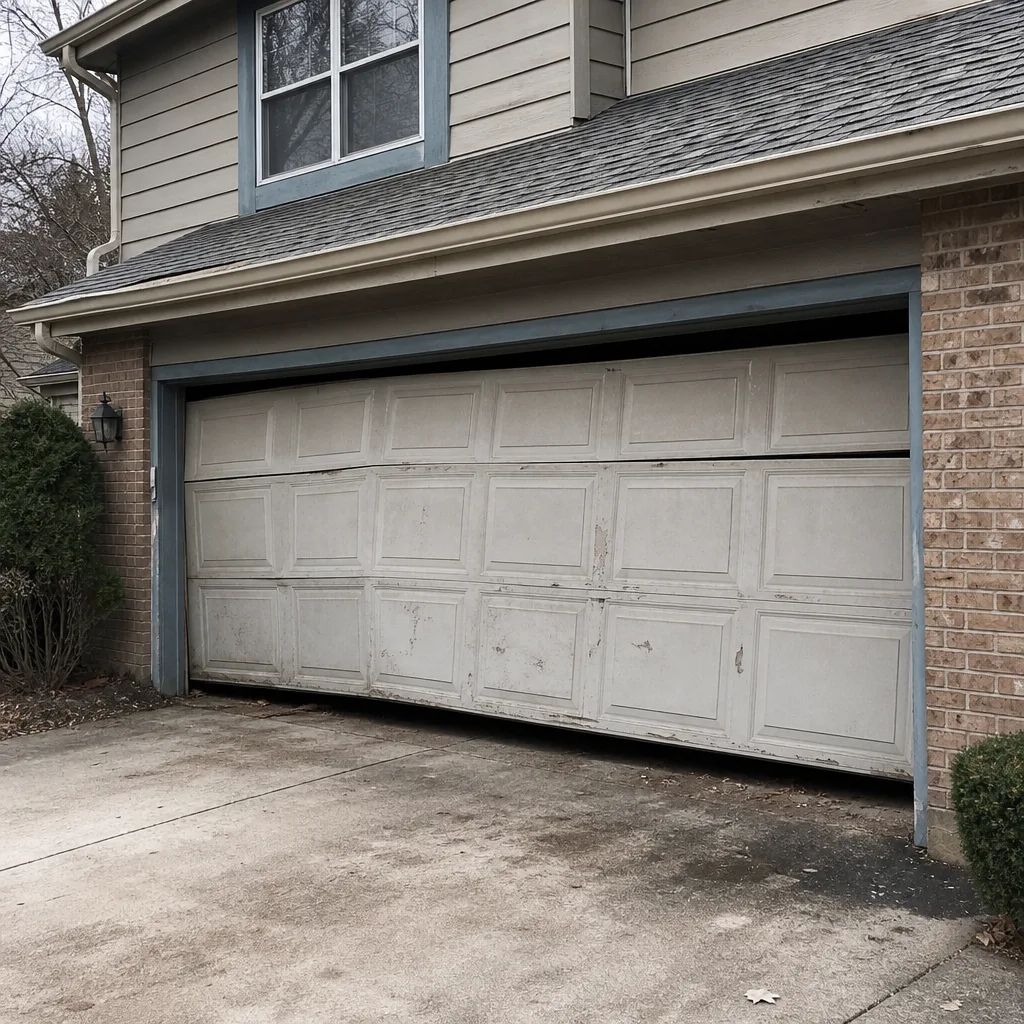 Before
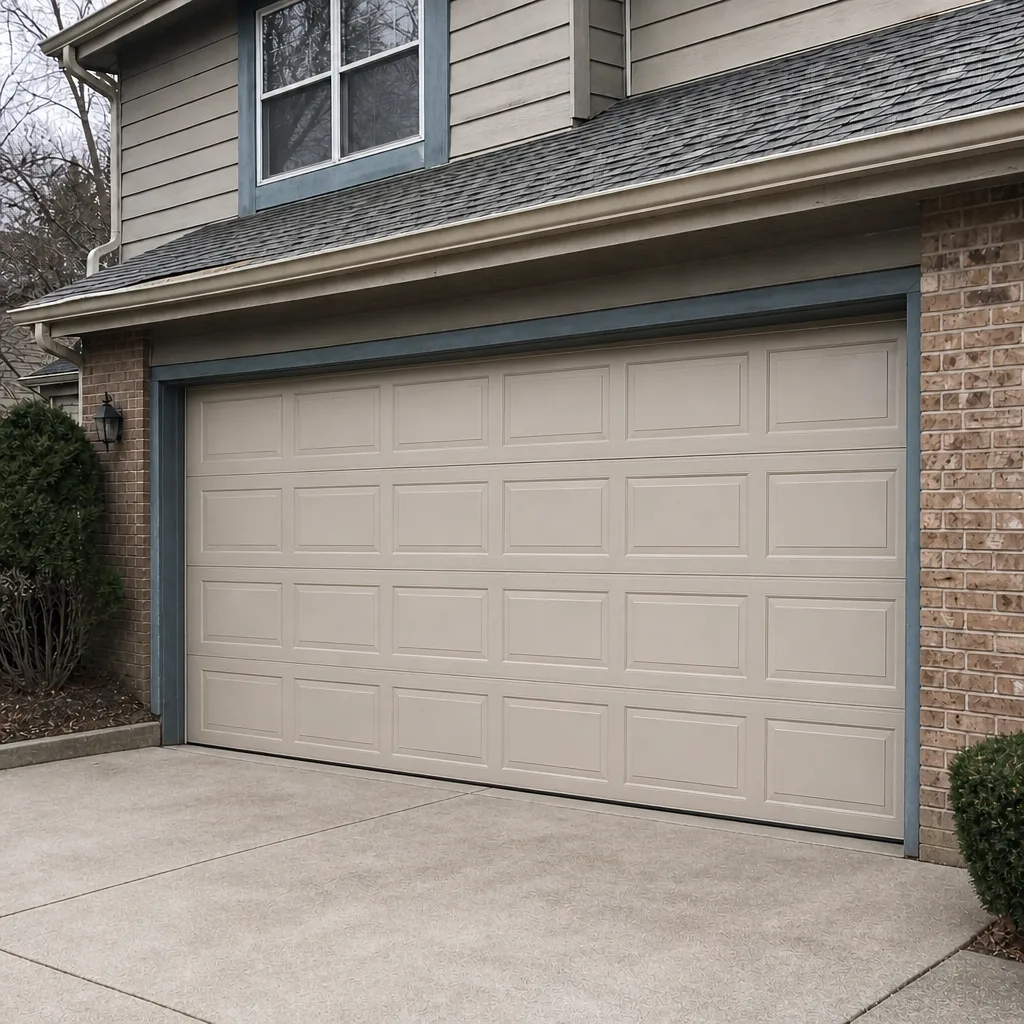 After
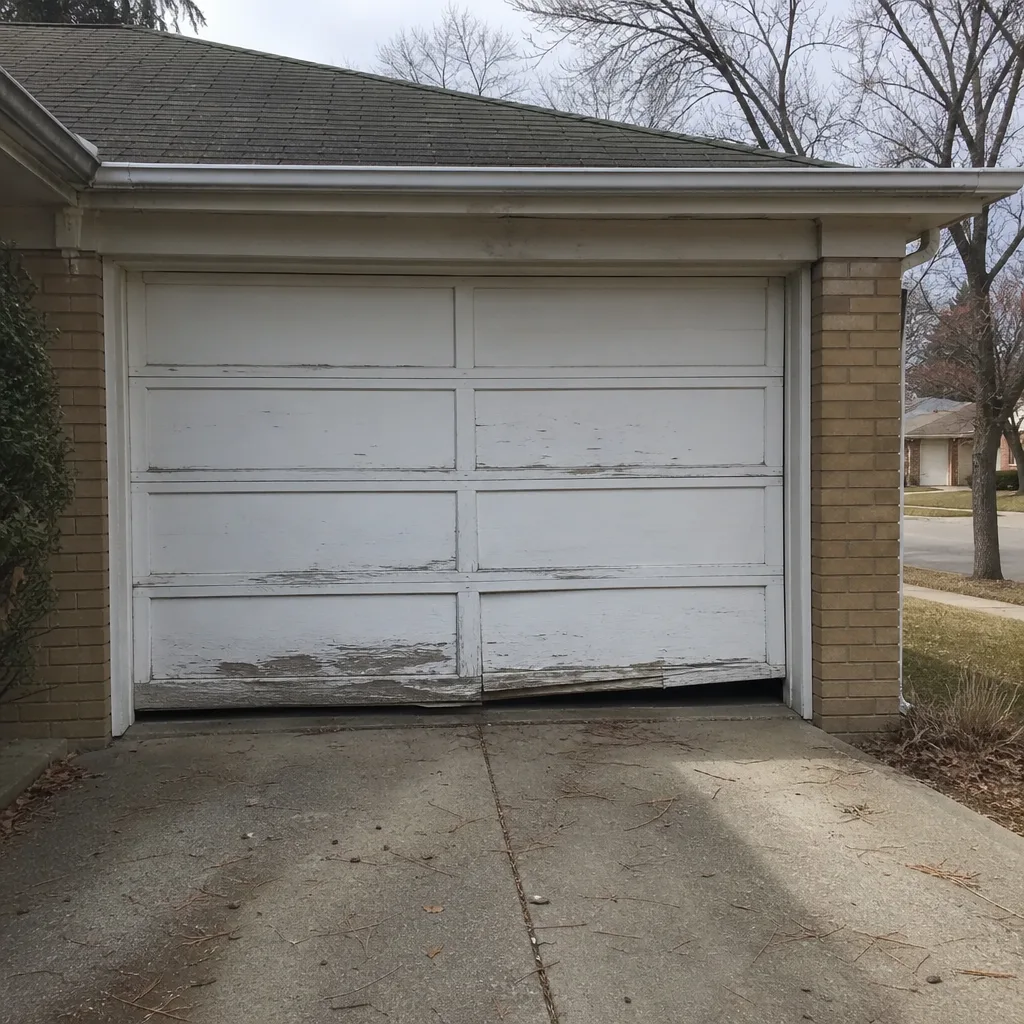 Before
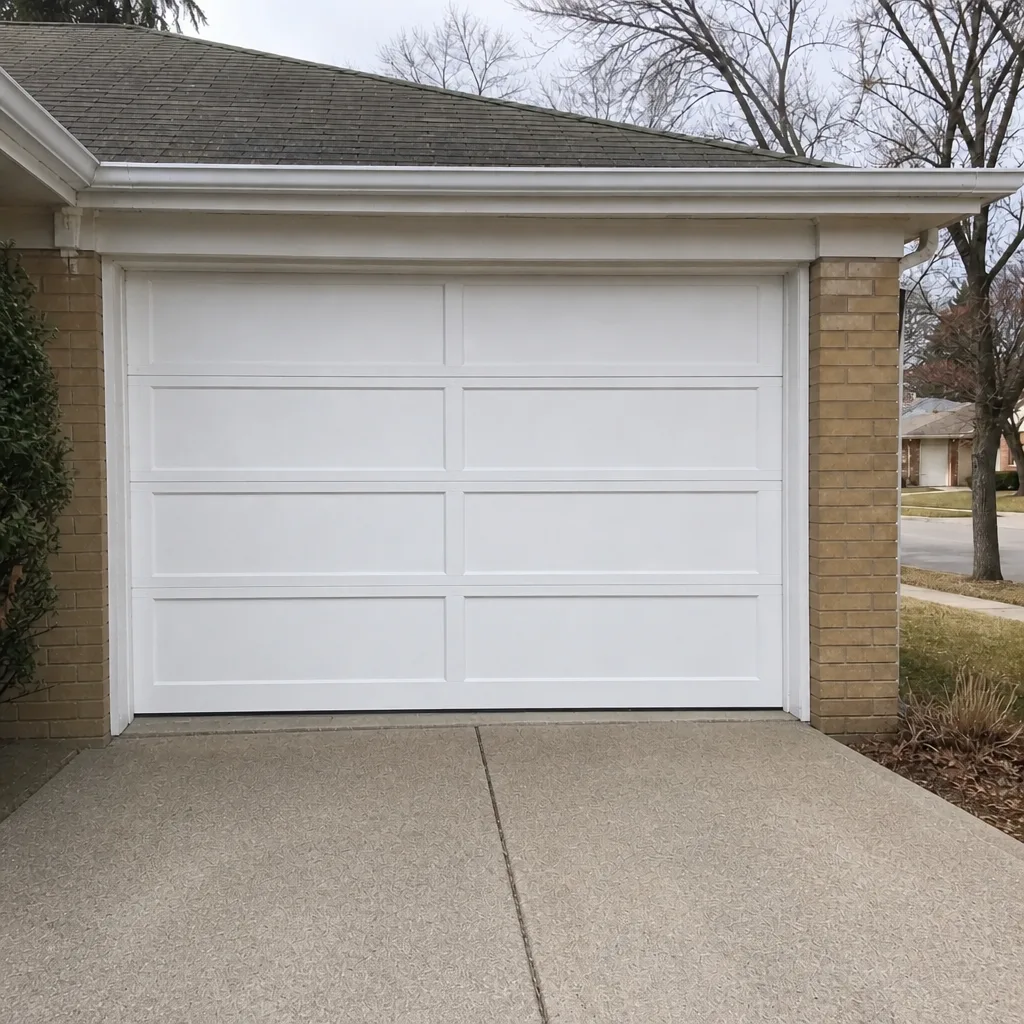 After
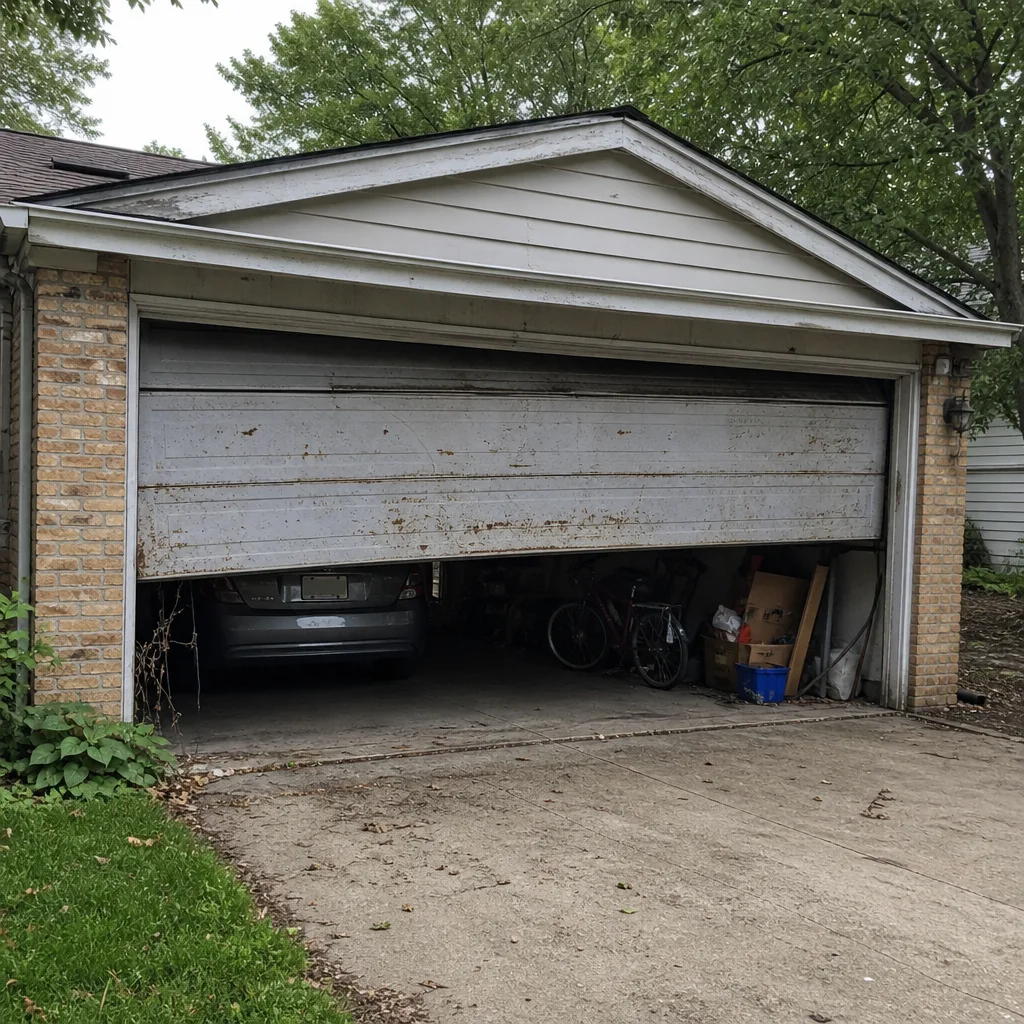 Before
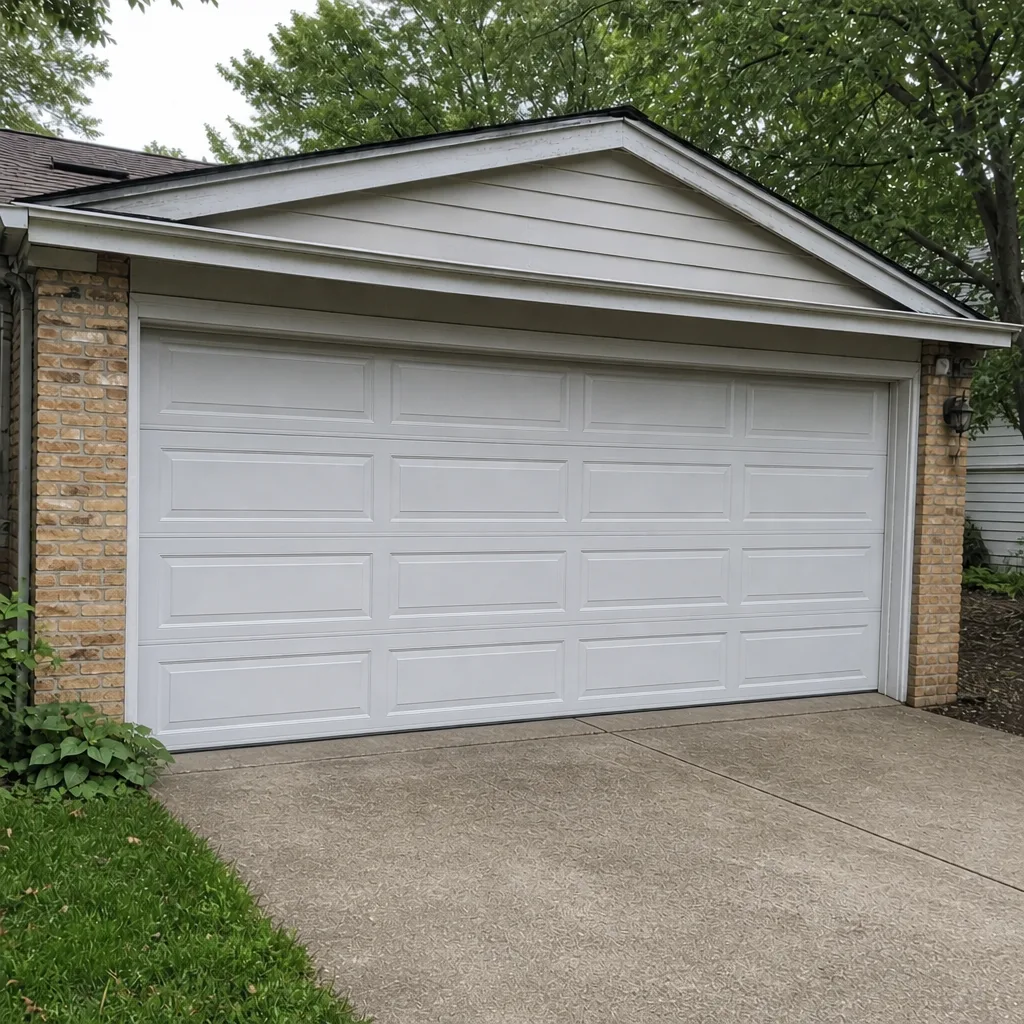 After
Common Mistakes to Avoid
- Treating winter as the danger season and ignoring March and November. The shoulder-season temperature swings fatigue springs and cables more than steady cold does. Inspect after the transitions, not just before winter.
- Using WD-40 as a garage door lubricant. It’s a solvent, not a lubricant, and it can strip the grease your rollers and hinges need. Use a proper garage door lubricant rated for cold weather.
- Tightening the opener’s force setting to fix a heavy door. Cranking up the force pushes a tired spring or a worn opener harder instead of fixing the real cause. Adjust the force only when the door is otherwise sound.
- Putting off a spring that shows a gap. A gap in a torsion spring means it’s failed or about to. Waiting is how you end up with a car trapped on a cold morning.
- Ignoring the bottom seal through the humid months. A seal that’s pulling away lets moisture in and makes the door work harder. Replacing it is cheap; the water damage it prevents isn’t.
- Skipping the post-thaw alignment check. Frost heave can throw off the track and the floor seal in a Wheaton spring, and a door that binds will wear faster if it isn’t realigned.
- Assuming a slow door is a dead opener. On cold mornings, slowness is usually thick lubricant or a force setting, not a failed opener. Diagnose before replacing.
Frequently Asked Questions
Twice a year, timed to the shoulder seasons: once after the March warm spell and once in October before the first hard freeze. Those two checkpoints catch the spring and cable stress of the transitions and the winter-readiness items before they become problems. A quick monthly look at the seal and a listen to the door as it travels covers the rest of the year.
Cold weather thickens the lubricant on rollers and hinges and makes the door heavier, which the opener can’t always compensate for. If the door moves slowly but completes its travel, it’s usually lubrication and the opener’s force setting. If it reverses partway down or won’t close, check the safety sensors and alignment first. If it’s sluggish even after lubrication, call (844) 789-3469 for a free estimate.
A sensor problem makes the door reverse or refuse to close even when it’s moving freely – the safety beam is being blocked or misaligned. A lubrication problem makes the door slow or heavy but lets it complete the cycle. The two feel different when you watch the door, and knowing which one you’re seeing tells you whether to clean the sensors or reach for the lubricant.
Yes. The slab under a Wheaton garage can lift and settle as the ground freezes and thaws, and that’s enough to push the track out of plumb, compress the bottom seal or throw off the door’s alignment. The clearest sign is a gap under the door or a door that binds after the thaw. A track adjustment and often a new floor seal fixes it.
No. A torsion spring is under enough tension to cause serious injury if it releases unexpectedly, and a cable that’s come off its drum is the same. Spring and cable work belongs with a trained specialist. If you see a gap in a spring or a frayed cable, stop and call (844) 789-3469 for a free estimate.
Yes. We work on Craftsman and Raynor systems as readily as newer LiftMaster and Chamberlain drives, and we diagnose by how each brand behaves rather than guessing at a one-size fix. Older openers are often worth repairing rather than replacing, and a specialist can tell you which. Call (844) 789-3469 for a free estimate.
The Bottom Line
Wheaton’s garage doors don’t fail on a schedule that matches the calendar. They fail after the March and November temperature swings fatigue their springs and cables, after humid summers soften seals and swell panels, and after frost heave shifts the slab and throws off alignment. The fix is to inspect on the shoulder seasons, catch the small issues before winter, and know the difference between a lubrication problem and a spring that’s about to let go. Do the safe checks yourself, call a specialist for the dangerous ones, and keep it ahead of the weather. If you want a professional set of eyes on it, Wheaton Garage Door Repair Co offers free estimates in Wheaton – call (844) 789-3469.
Written by the team at Wheaton Garage Door Repair Co.