Last updated November 22, 2026
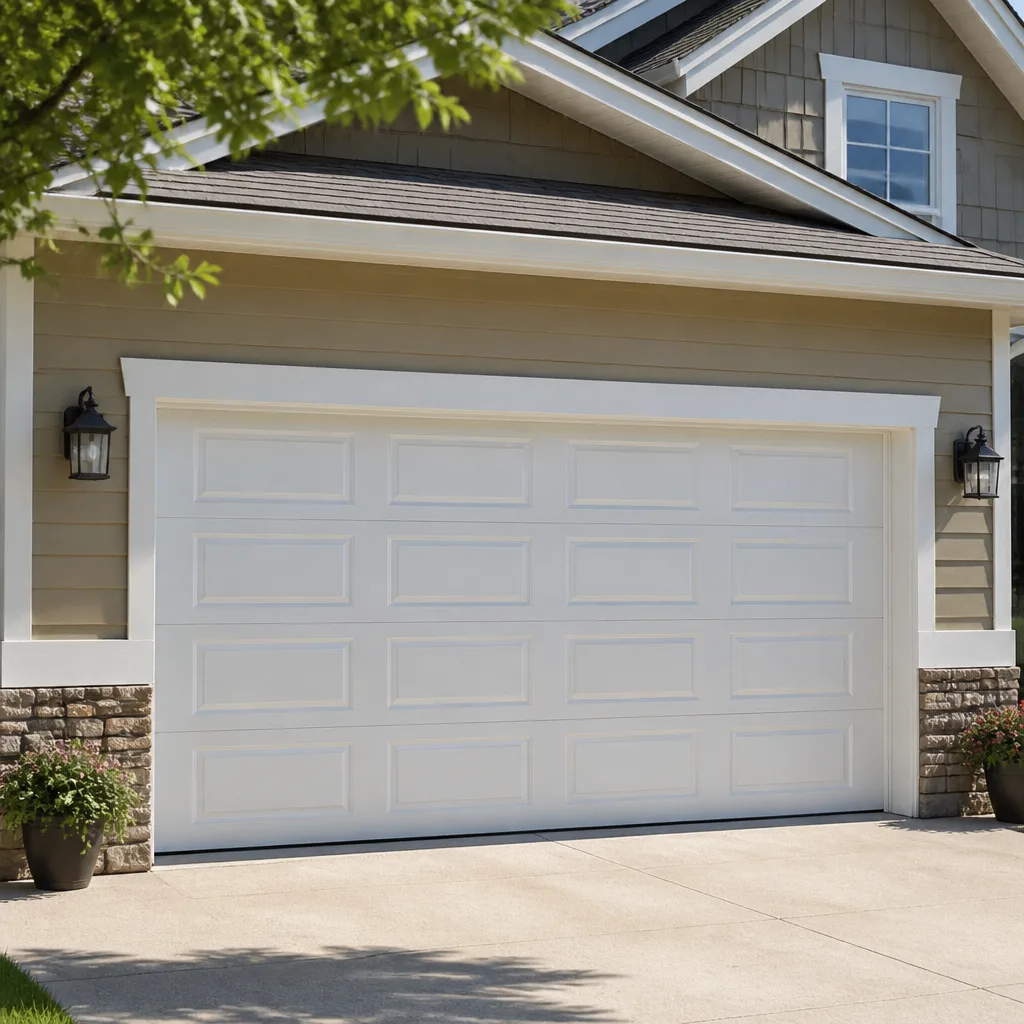 Raised-panel steel
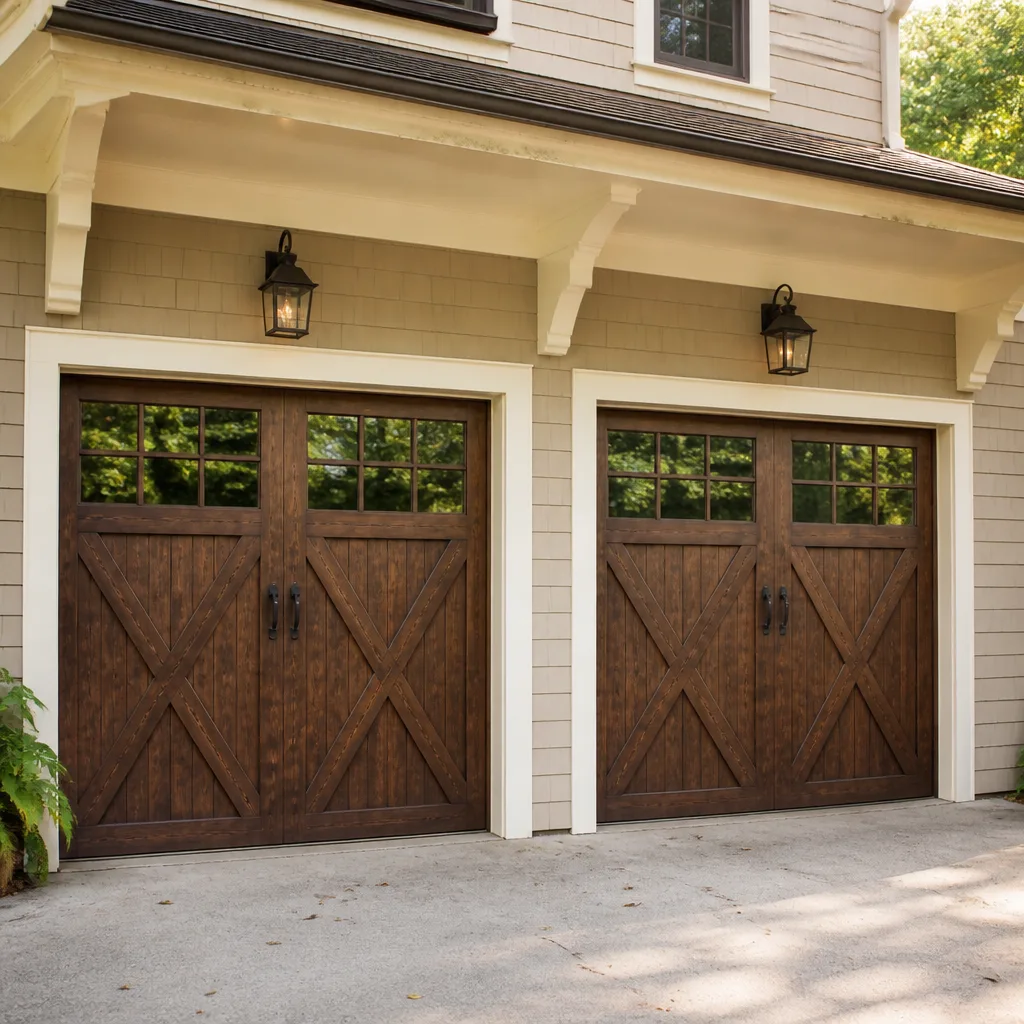 Carriage house
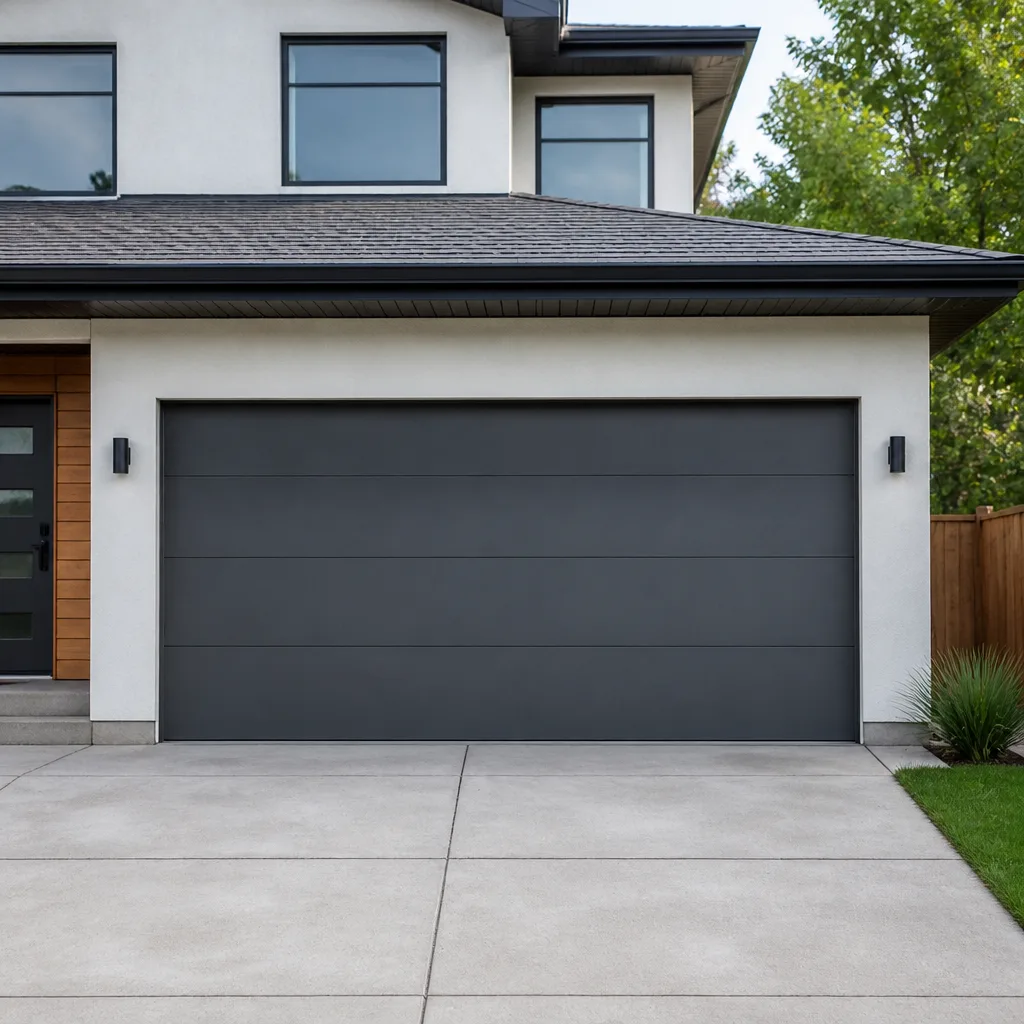 Modern flush
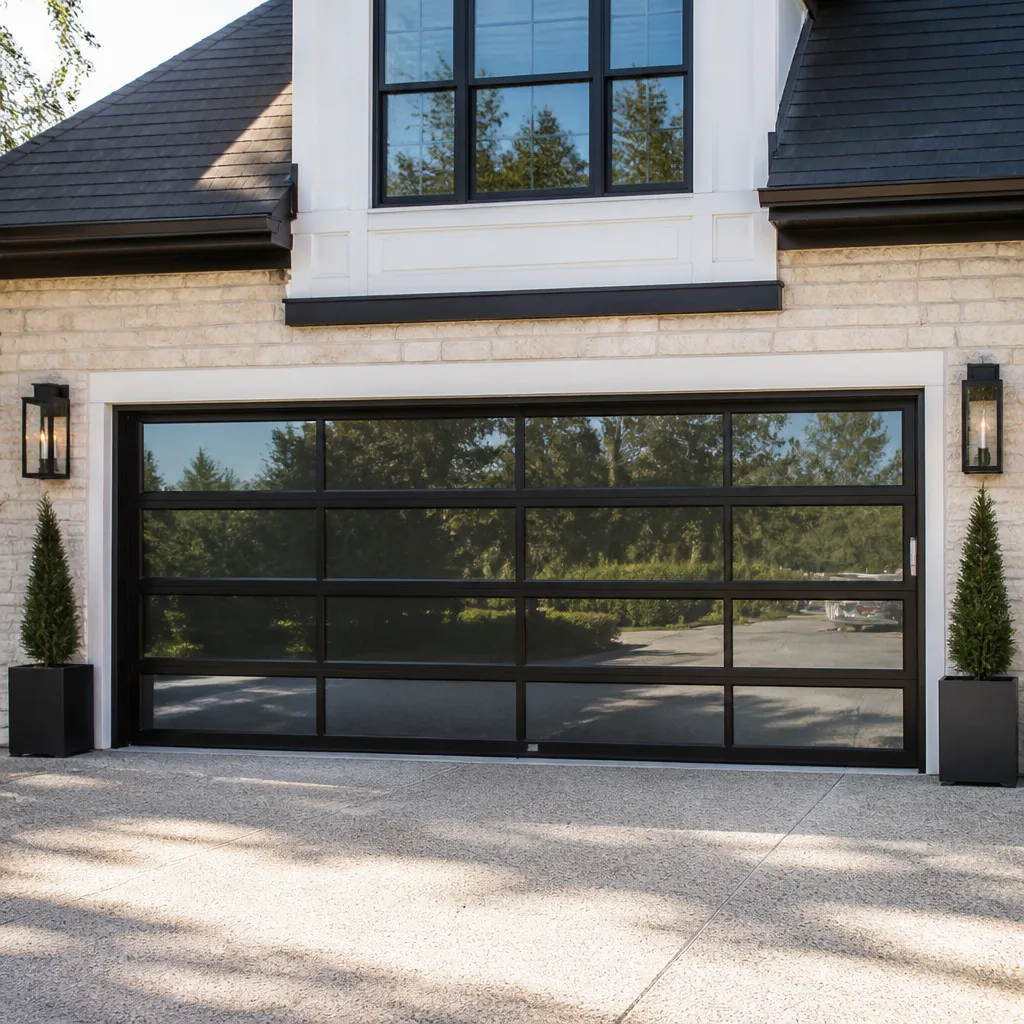 Full-view glass
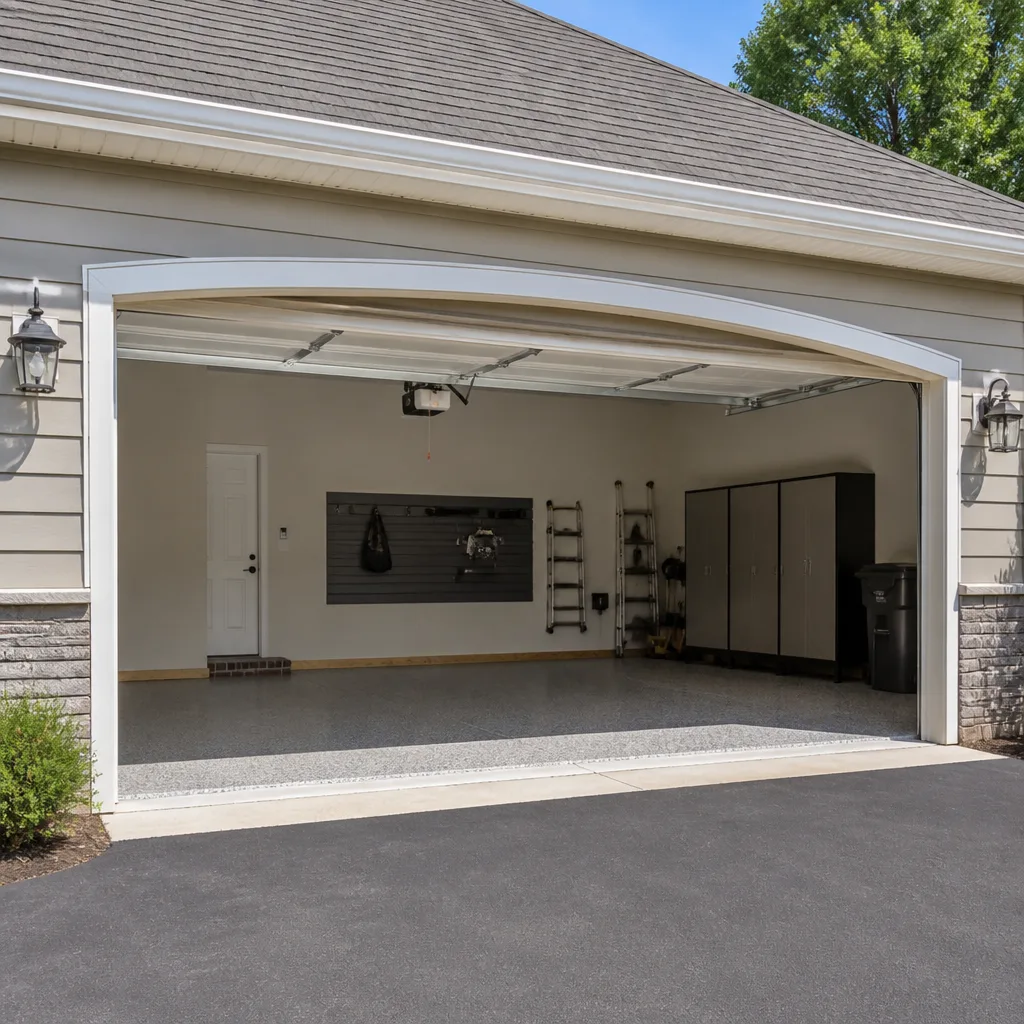 LiftMaster openers
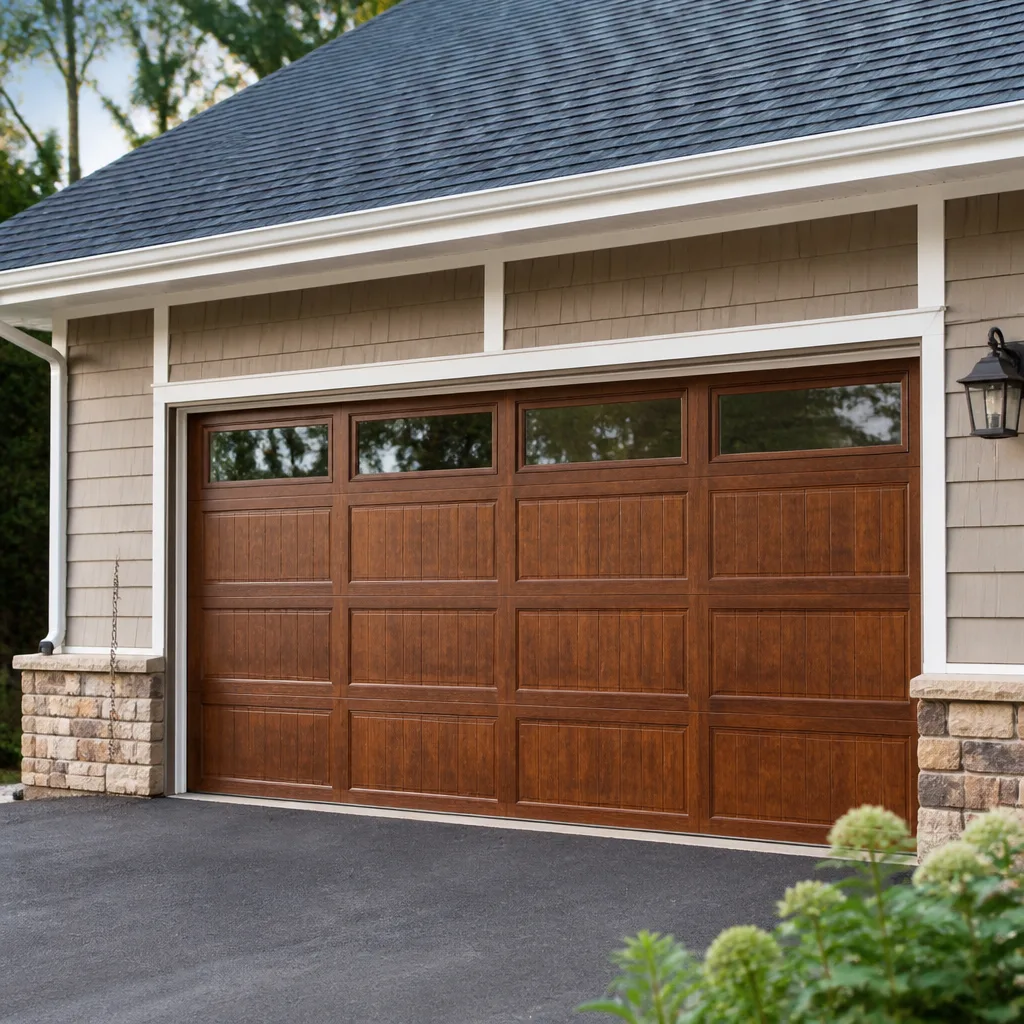 Chamberlain openers
Full 25-point door and opener safety check with every visit - springs, cables, rollers, tracks, and your LiftMaster or Chamberlain opener included
You get a price before we start. It does not change when the pro arrives.
Get your free estimateDIY vs Professional Garage Door: The Wheaton Homeowner’s Decision Guide
A torsion spring on a standard two-car garage door stores enough energy when wound to cause a serious hand or face injury in a fraction of a second. That’s not a liability disclaimer. It’s a physics fact, and it should be the first thing you weigh when you decide whether to pick up a winding bar or a phone. The trouble is that most DIY-versus-pro advice lumps every garage door task into one bucket, so a job as harmless as changing a bottom seal gets treated with the same gravity as resetting a spring under load, and a job as dangerous as spring work gets waved off as a weekend project. This guide draws that line precisely: which repairs are genuinely safe to do yourself and save real money, which ones carry mechanical danger that no tutorial can prepare you for, and how to think through the break-even math for a Wheaton home. We’ll also cover what changes when you’ve already tried a fix yourself, and what a specialist can tell you that a parts counter can’t.
Quick Answer
Low-risk garage door tasks like replacing weather seals, swapping a bottom seal, cleaning safety sensors, or programming a remote are reasonable DIY jobs for a careful homeowner. Anything that involves stored mechanical energy, overhead weight, or electrical troubleshooting is not: spring replacement, cable replacement, and opener motor work belong with a trained specialist because the failure mode is sudden injury or a door that drops. In Wheaton, professional service on the low-risk repairs is inexpensive enough that many homeowners only tackle the truly simple jobs themselves and hand off the rest.
Styles & brands we work with
- Raised-panel steel
- Carriage house
- Modern flush
- Full-view glass
- LiftMaster openers
- Chamberlain openers
Table of Contents
- Categorizing Garage Door Tasks by Real Risk
- Genuinely Safe DIY Jobs That Save Real Money
- Why Spring Work Is Categorically Different
- The Break-Even Math for Professional Service in Wheaton
- How Wheaton Conditions Affect the DIY Call
- What to Tell a Contractor After a DIY Attempt
- Why Your Door’s Brand Changes the Answer
- Common Mistakes to Avoid
- When to Call a Professional
- Frequently Asked Questions
Categorizing Garage Door Tasks by Real Risk
Forget about “easy” and “hard” labels. The only categorization that matters for your safety is what a failed attempt does to your body or your door. Garage doors are counterbalanced machines: springs carry the weight, cables hold the tension, and the opener only guides motion. Once you understand which components carry stored force, the risk tiers sort themselves out.
Tier 1: Low mechanical risk
These tasks touch nothing under tension. If you get them wrong, the worst outcome is a draft, a misaligned sensor, or a remote that still won’t work.
- Replacing the weather seal around the door perimeter
- Swapping the rubber bottom seal (sometimes called the astragal)
- Cleaning safety sensors and checking their alignment
- Programming or reprogramming an opener remote
- Light lubrication of the rollers, hinges, and track with a proper garage door lubricant
- Tightening loose bolts on the hinges and brackets
Tier 2: Moderate risk, worth judgment
These involve weight, alignment, or electricity without stored spring force. A careful homeowner with good tools can handle some of them; others are better handed off.
- Minor track realignment after a light bump
- Replacing rollers (the door is up in the air, but nothing is pre-loaded)
- Adjusting the opener’s travel and force limits
Tier 3: High risk, professionally handled
These involve stored mechanical energy or overhead weight that can drop. A mistake is not a wrong result – it’s an injury or a collapsed door.
- Replacing a torsion or extension spring
- Working on the lift cables or drums
- Replacing the opener motor or drive gear assembly
- Resetting a door that has come off its track and is hanging
- Working on wall-mounted panels with live wiring
Our Wheaton Garage Door Repair Co team sees the consequences of these categories crossing all the time. The line isn’t arbitrary. It follows where the physics actually is.
Genuinely Safe DIY Jobs That Save Real Money
The bottom seals every three to five years, the weather stripping gets brittle, and the safety sensors get dusty enough to misfire. These are the jobs where DIY is not just reasonable, it’s smart. None of them touch stored energy, and the parts are inexpensive at any hardware store.
- Bottom seal replacement. Measure the door’s width, buy a matching seal, pull the old one out of its track channel, and slide in the new one. This is a two-person job if the door is wide, but it’s pure friction and no spring force.
- Perimeter weather seal. The trim that runs along the header and sides weathers faster than most people realize. Pull the old strips, confirm the profile matches, and re-nail. It’s a ladder job, not a mechanical job.
- Safety sensor cleaning and alignment. Wipe the lenses, check that the LED on each sensor is solid green (not blinking), and adjust the mounting bracket until the beam is clear. Modern openers with self-diagnosing logic will usually tell you which side is the problem via a fault code.
- Remote programming. Every opener brand has a different pairing sequence. LiftMaster and Chamberlain units typically need the learn button pressed and the remote pressed twice; Genie units use a different sequence. The manual is accurate for this, and it’s the safest opener work you can do.
When DIY actually saves money
Take a bottom seal. The part is a modest hardware store purchase. A professional bottom seal replacement is also inexpensive on labor, but you’re paying for the visit. On a single simple seal, the savings are real but modest. Where DIY genuinely wins is when you’re replacing several pieces of weather seal at once, or when the only problem is a dusty sensor. The bigger the job gets, the more the break-even shifts toward the professional.
When DIY costs more than it saves
A word on the “while I’m in there” trap. Once you’ve got the door up on a ladder and the tools out, it’s tempting to look at the springs or the cables. Don’t. Those components are outside the low-risk tier, and the cost of getting them wrong is the whole door plus a hospital visit. We’ve seen plenty of Wheaton homeowners who started on a seal replacement and ended up calling for a spring – the two jobs live in different compartments for a reason.
Why Spring Work Is Categorically Different
A torsion spring on a standard two-car door is wound to well over a hundred full turns, held in place by a set screw, and storing force proportional to the door’s weight. When you release a winding bar from the cone, the spring doesn’t “let go gently.” It unwinds in a fraction of a second, rotating the bar and anything in its path with it. This is why spring repair is the one task in the trade where a trained technician still wears eye protection and respects the wind-down sequence.
What the online “DIY spring kits” don’t tell you
Search for a spring replacement and you’ll find kits, videos, and confident tutorials. What those tutorials undersell:
- Winding bar torque. A homeowner using two standard-length winding bars has to hold the full torque of the wound spring with their body weight. If one bar slips out of the cone at the wrong moment, the spring releases with nothing holding it.
- Cone thread direction. Torsion springs are wound in a specific direction (left-hand or right-hand). Install one the wrong way and it will unwind the instant it’s under load, or pre-load in the wrong direction and the door won’t balance. There is no “try it and see” with a wound spring.
- The matched pair rule. Springs are sold and typically replaced as a matched pair. A “DIY kit” that ships one spring is only half the job.
- Weight and balance testing. A spring is installed with a pre-load calculated for the door’s specific weight. If the pre-load is off, the opener fights a door it wasn’t designed to move, and the opener motor wears out.
This is why garage door spring repair is its own service line, not a sub-category of “handyman stuff.” Our technicians work with both torsion and extension spring systems, which is a different skill set from changing hardware. If you find yourself thinking “I’ll just wind it a little to see how tight it is,” stop there. That’s the exact moment the category jumps to one you shouldn’t be in.
The rest of the door’s repair categories can be handled at a slower pace, more like garage door repair, with setup time and no stored energy. Spring work has none of that margin. If anything about the spring setup looks unfamiliar, a trained specialist is the right call – not because we’re shy about DIY, but because the physics won’t give you a second attempt.
The Break-Even Math for Professional Service in Wheaton
The real question is always the arithmetic. For most Wheaton homeowners, the break-even calculation comes down to whether the time, the parts, and the risk of getting it wrong add up to more or less than a professional visit. Here’s the framework we use when we talk to homeowners.
What DIY actually costs
- Retail parts. A single weather seal runs in the low tens of dollars; a bottom seal similar; a sensor assembly somewhat more. The parts markup on most low-risk jobs is negligible.
- Tools. If you don’t own a drill, a ladder, or a proper nut driver set, the tool investment can exceed the job. A homeowner who already has a decent tool kit has a wide advantage here.
- Time. A bottom seal takes most homeowners an hour or two, more if the door is wide. A sensor fix is often ten minutes.
- The failure cost. If the DIY attempt doesn’t solve it, you pay for the professional visit anyway plus the retail part you bought. That’s where the calculation flips.
What professional service costs (typical ranges)
- Bottom seal replacement: modest labor, small parts – usually an inexpensive visit.
- Sensor service/track adjustment: a short service call, often bundled with another repair if you have one.
- Spring pair replacement: the highest routine ticket in the trade, typically several hundred dollars for a matched pair of torsion springs, materials and labor included. This is the one that should never be a DIY job.
- Opener repair: varies by whether the motor, a gear, or the logic board is the failing component.
We quote everything as an estimate, per job, and we write down the price so you know what you’re approving before any work starts. On a repair topic, we can usually quote the same day – on an install or new-door topic, the visit involves taking measurements and ordering the right system, so the estimate is free and the actual work is scheduled after the order arrives.
The break-even in one line
If the job is Tier 1 and you own the basic tools, DIY saves real money. If the job is Tier 3, no amount of DIY savings covers the downside of getting it wrong. The gray zone is Tier 2, where calling for an estimate – free, no obligation – is usually the cheapest way to decide. A free estimate costs you nothing and removes the guesswork from the break-even.
How Wheaton Conditions Affect the DIY Call
Wheaton winters hit garage door components hard. The freeze-thaw cycle around a door seal is punishing, and the inside of a garage gets cold enough that the rubber bottom seal hardens and splits. On a Wheaton door that faces a west or north wall, the seal can fail within a few seasons, and the small gap that results lets cold air into a garage that’s often the difference between a warm car and a frozen one on a winter morning.
What that means for the DIY decision
Weather seal and bottom seal replacements are seasonal, low-risk, and cheap parts. That combination makes them a good self-service item for Wheaton homeowners who are comfortable on a ladder. The seal jobs repeat more often here than in milder climates, so doing them yourself can save real money across a few years.
Where the local climate changes the recommendation
Springs are metal under constant load, and the cold does them no favors. A spring that has been failing slowly through the fall will often finish the job on the first cold snap, and that failure is sudden even though the wear was gradual. When a Wheaton spring fails, the door becomes unopenable by hand – and that’s the point where a spring replacement, not a weather seal, becomes the job. The track alignment also drifts with the seasons as the ground shifts, and a track that’s off by a fraction of an inch will bind the door and put stress on the opener.
Garage door opener behavior in the cold
Modern openers have cold-weather logic: travel limits can drift slightly when the lubricant in the drive system thickens. A door that runs fine in July can show a force-limit fault in January. That’s a different failure mode from a hardware failure, and it’s usually a sensor or travel adjustment rather than a motor replacement. If your opener brand has a diagnostic fault light, the code will tell you which category you’re in. Our technicians work on LiftMaster, Chamberlain, Genie, and Craftsman openers, and the fault behavior is brand-specific – a Craftsman chain drive and a LiftMaster belt drive behave differently when cold, and diagnosing by brand is a big part of getting it right the first time.
What to Tell a Contractor After a DIY Attempt
Plenty of homeowners call after a DIY attempt. Some of those calls are easy (“I changed the sensor, it still misfires”), and some are not (“I loosened the spring and now the door is hanging”). Knowing which category you’re in helps the technician know what to expect when they arrive.
DIY attempts that don’t complicate the repair
- Changed a bottom seal and it didn’t fit the track cleanly – the track was the issue, not the seal.
- Cleaned or adjusted a sensor; the fault is actually in the opener’s logic board.
- Replaced a remote and the opener won’t accept the pairing – a brand-specific sequence issue, usually solvable.
- Lubricated the door (with the right product) and the noise is unchanged – noise is often a roller or hinge issue, not lubrication.
DIY attempts that complicate the repair
- Any work on the springs. Once a spring has been tipped, wound, or unwound by an untrained hand, the technician cannot assume the original pre-load. They’ll have to check balance from scratch, which adds a step.
- Track adjustment. A track that’s been forced or bent can leave the door out of plane. The technician will check the whole system’s alignment rather than just the local symptom.
- Opener travel limit changes. Reset limits that are too aggressive can mask a failing door or damage the opener. The technician will start by returning all settings to factory and re-calibrating.
- Any attempt to re-hang a door that came off track. This is one of the higher-risk scenarios, and it needs professional handling for safety, not just for a fix.
The most useful thing you can do is tell the technician plainly what you tried, which parts you replaced with which brand, and what the door was doing before and after. There’s no need to be embarrassed about a DIY attempt – we’ve seen every version of it. The honest version of the story is what gets the door fixed.
Why Your Door’s Brand Changes the Answer
Two doors that look identical from the curb can have completely different mechanics underneath. A Wayne Dalton door with its proprietary TorqueMaster system is nothing like a Clopay door with a conventional torsion setup, and a Raynor commercial-grade door runs its own spring and track arrangements. That brand-level difference is why so much DIY advice glances off: the tutorial you watched for a standard torsion door may not apply to your door at all.
What brand-level knowledge changes
- Spring type and location. Torsion and extension are both common, and Wayne Dalton’s TorqueMaster puts the spring inside the torsion tube, which changes how the door is serviced.
- Opener fault codes. A Chamberlain with myQ has a different logic board test procedure than a Genie chain drive or a Craftsman belt drive.
- Part availability. Some brand-specific parts are only stocked through the door manufacturer. That’s one of the reasons a “hardware store fix” often isn’t the fix.
- Track and hinge profiles. Amarr and Clopay doors use different steel profiles in some product lines, so a universal roller or hinge may not seat properly.
Our garage door opener repair visits begin with identifying the specific system on the door, not with a guess. That’s what “we work on your brand” means in practice: we’re familiar with the eight biggest brands in the trade, and the diagnosis starts from the system, not from a generic checklist.
The brands most Wheaton homeowners have on their homes – Wayne Dalton, Clopay, Amarr, Raynor – cover a huge range of door styles and drive systems. Knowing the difference matters when the job is sizing, when it’s a sensor fault, and when it’s a question of whether a repair is even possible. That’s the case for a single-trade specialist, not a handyman who works across ten trades.
Common Mistakes to Avoid
- Winding a spring “just to test it.” There is no test. If a spring must be touched, it’s a training-and-tools job, and the second attempt doesn’t exist.
- Lubricating the track or the spring. The track stays dry; a lubricated track collects grit and binds the rollers. Garage door lubricant goes on the rollers, hinges, and pivot points, not on the track or the spring.
- Adjusting the opener’s force limit to mask a heavier door. If the door has gotten heavier, the door itself is the problem. Forcing the opener to compensate wears the motor out fast.
- Replacing one spring of a pair with a different spring. The two springs are matched to share the load. They should be replaced as a pair with the same rated springs.
- Standing under the door while adjusting it. Every adjustment should be made with the door in its safest position. On a spring-loaded door, that’s the down position, and even then the job belongs to a trained technician.
- Ignoring a slow-opening or pulsing door in a Wheaton winter. A door that hesitates is telling you the cold has changed the travel limits or the door’s balance. Left unaddressed, it turns into a stuck door on a cold morning.
- Calling a general handyman for a garage door. A handyman who works across trades has never seen a TorqueMaster specifically, and time lost to a wrong diagnosis is the most expensive part of the job.
When to Call a Professional
Call a garage door specialist rather than a handyman when any of these is true: the door is stuck in the up or down position, the opener is running but the door isn’t moving, the door is hanging crooked or off its track, an untrained hand has loosened any part of the spring or cable system, or you’ve replaced a low-risk part and the problem persists. Also call if you’re not sure which tier your problem falls in – the worst case is calling for a free estimate and finding out it’s not a big deal. Our spring work and opener repair are the two most common reasons a homeowner picks up the phone on short notice. Wheaton Garage Door Repair Co offers free estimates in Wheaton – call (844) 789-3469. We respond to emergency calls, so a stuck door doesn’t have to wait for the next business day.
Frequently Asked Questions
No, spring replacement is not a safe DIY job. A wound torsion spring holds enough stored energy to cause a severe hand or face injury in a fraction of a second, and a failed winding bar or wrong-direction cone can release the whole load at once. The right approach is a trained technician who checks the door’s balance and installs a matched pair.
It depends on the component. A bottom seal is a small-ticket repair, a sensor or track adjustment is a short service call, and a matched pair of torsion springs is typically several hundred dollars. We quote a specific price for your door before any work starts, and the estimate is free. Call (844) 789-3469 for an exact quote.
Replacing the bottom seal and cleaning the safety sensors are the two easiest DIY jobs. Both involve no stored energy, use inexpensive parts, and fail safely if you get them wrong. Weather seal replacement is next, though it’s a ladder job and takes more time.
No. We quote and agree on the price before any work starts. If we find a second problem while we’re on the door, we tell you and you decide, but the original repair stays at the quoted price. Call (844) 789-3469 and we can get an estimate scheduled.
Call. A stuck door is usually a spring failure, a cable off its drum, or a track out of alignment, and two of those three involve stored energy. Trying to force it up or down by hand risks injury or further damage. Emergency service is a real offering here, not a callback promise – call (844) 789-3469.
Tell them exactly what you did, which parts you replaced, and what the door was doing before and after. A little history saves a diagnostic step. There’s no reason to be embarrassed about a DIY attempt – we’ve seen every version of it, and the door gets fixed faster when the tech knows what’s been touched.
The Bottom Line
The DIY-versus-pro debate for garage doors comes down to one question: does the task touch stored mechanical energy or overhead weight? If it doesn’t, DIY is a legitimate way to save money on seals, sensors, and remotes, and the parts are cheap enough that a failed attempt doesn’t cost much. If it does, the math flips entirely, and no savings on parts covers the risk. Our technicians have up to 15 years of experience with exactly that dividing line, and we’ve seen the results on both sides. For the routine repairs and the low-risk items, an estimate is free and the diagnosis takes minutes. If you’d rather not guess, call us. There’s no obligation, and if it turns out the job is one you can safely do yourself, we’ll tell you.
Whether the fix is a seal, a sensor, or a whole new installation, we’d rather get it right the first time than sell you a door you don’t need. Call (844) 789-3469 for a free estimate in Wheaton, and we’ll walk you through the right fix for your system.
Written by the team at Wheaton Garage Door Repair Co.
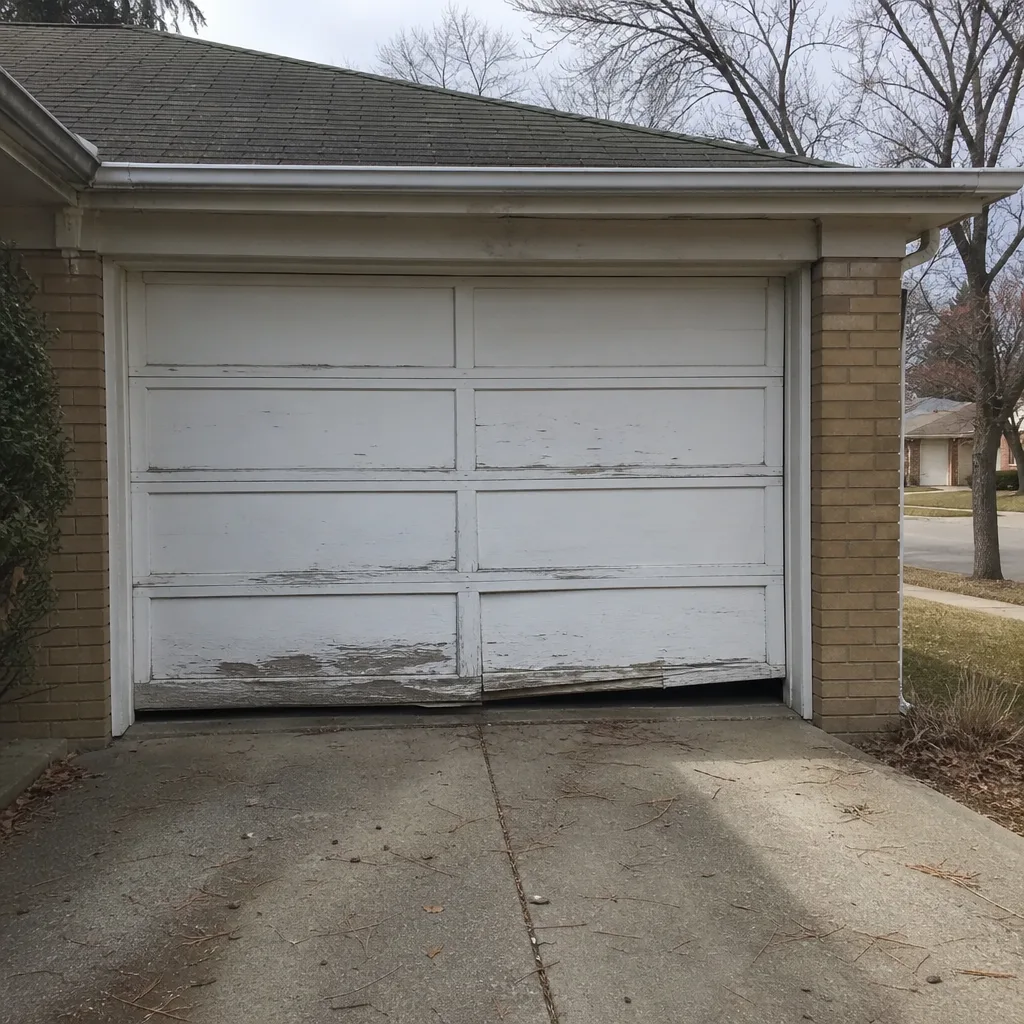
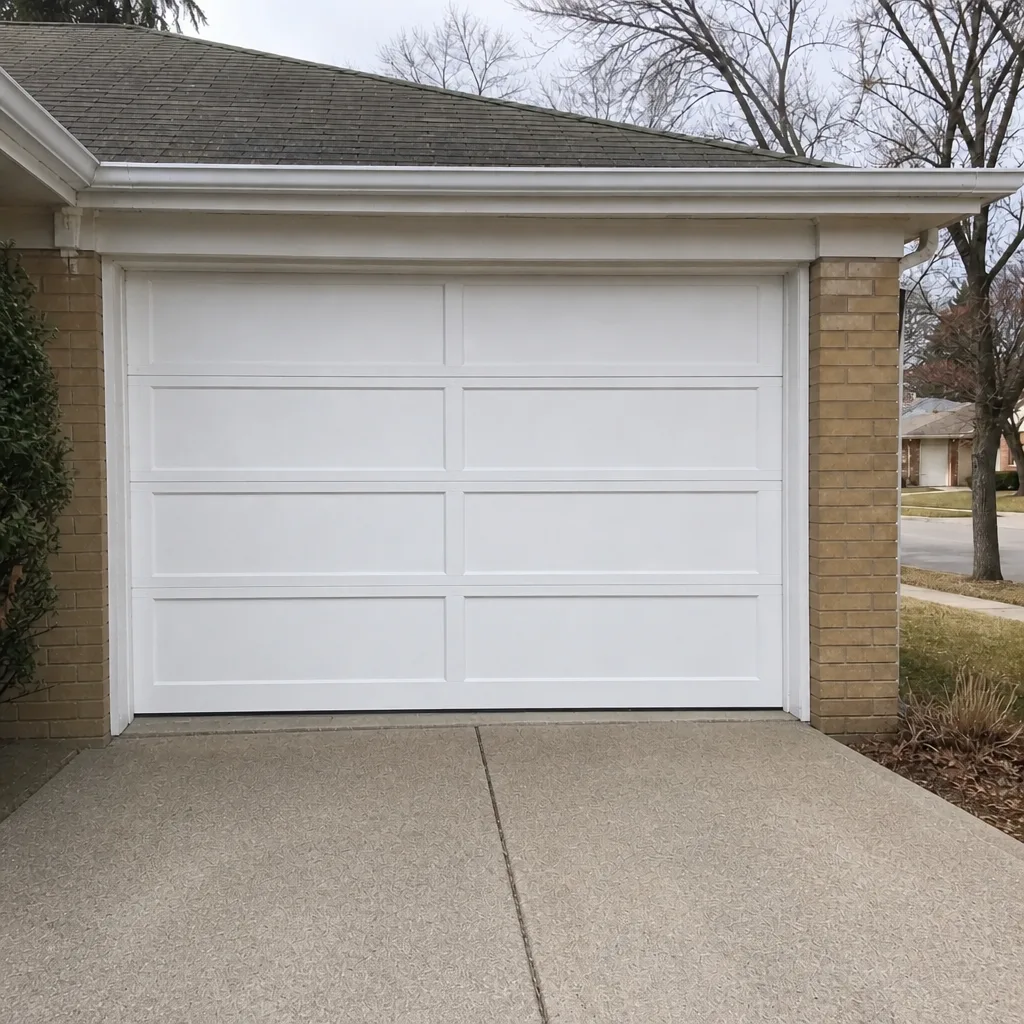
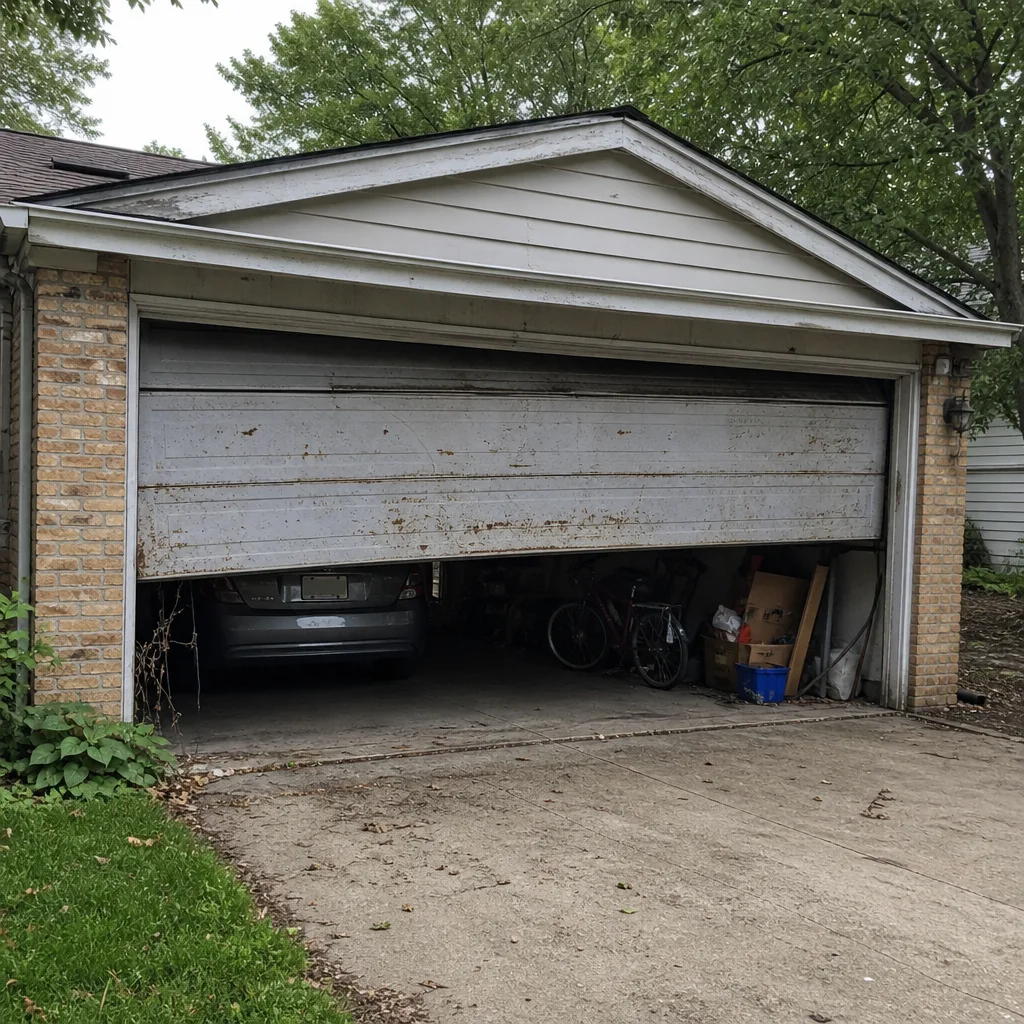
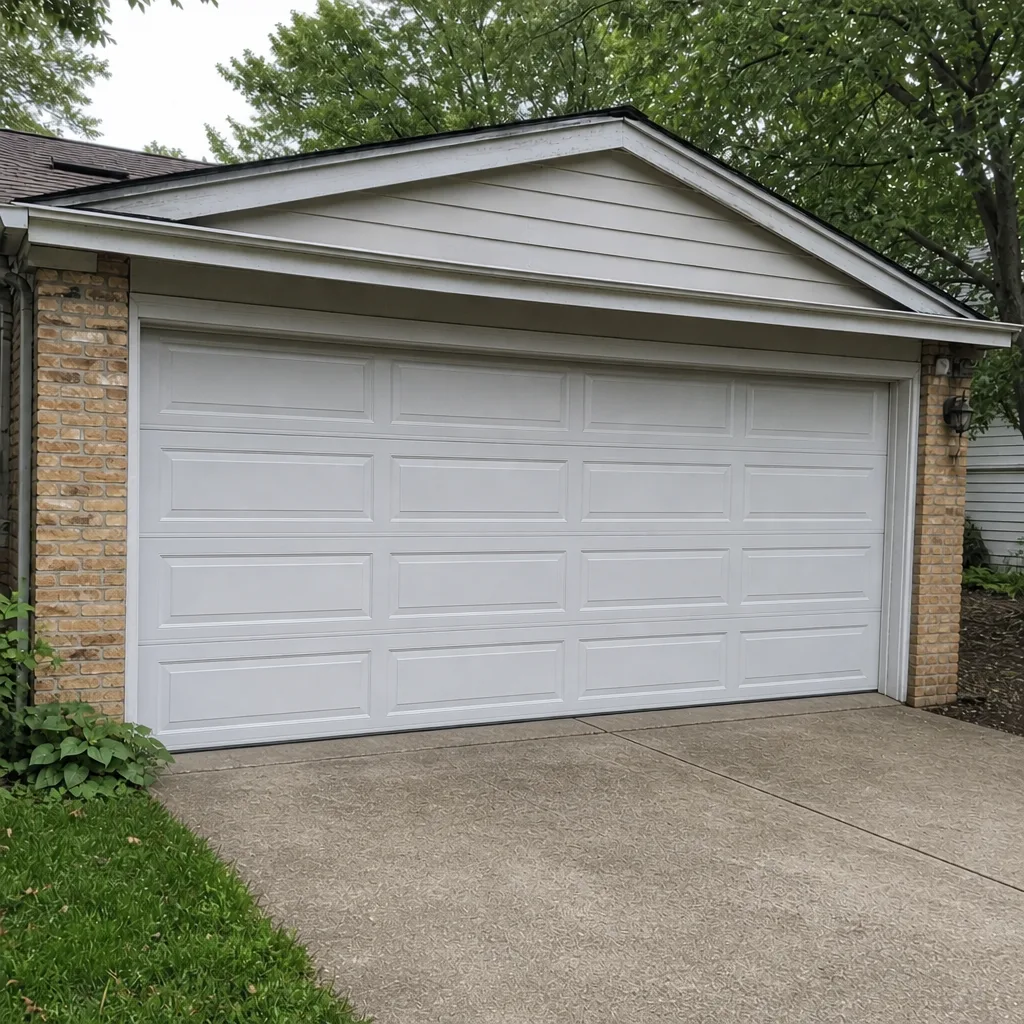
See the difference
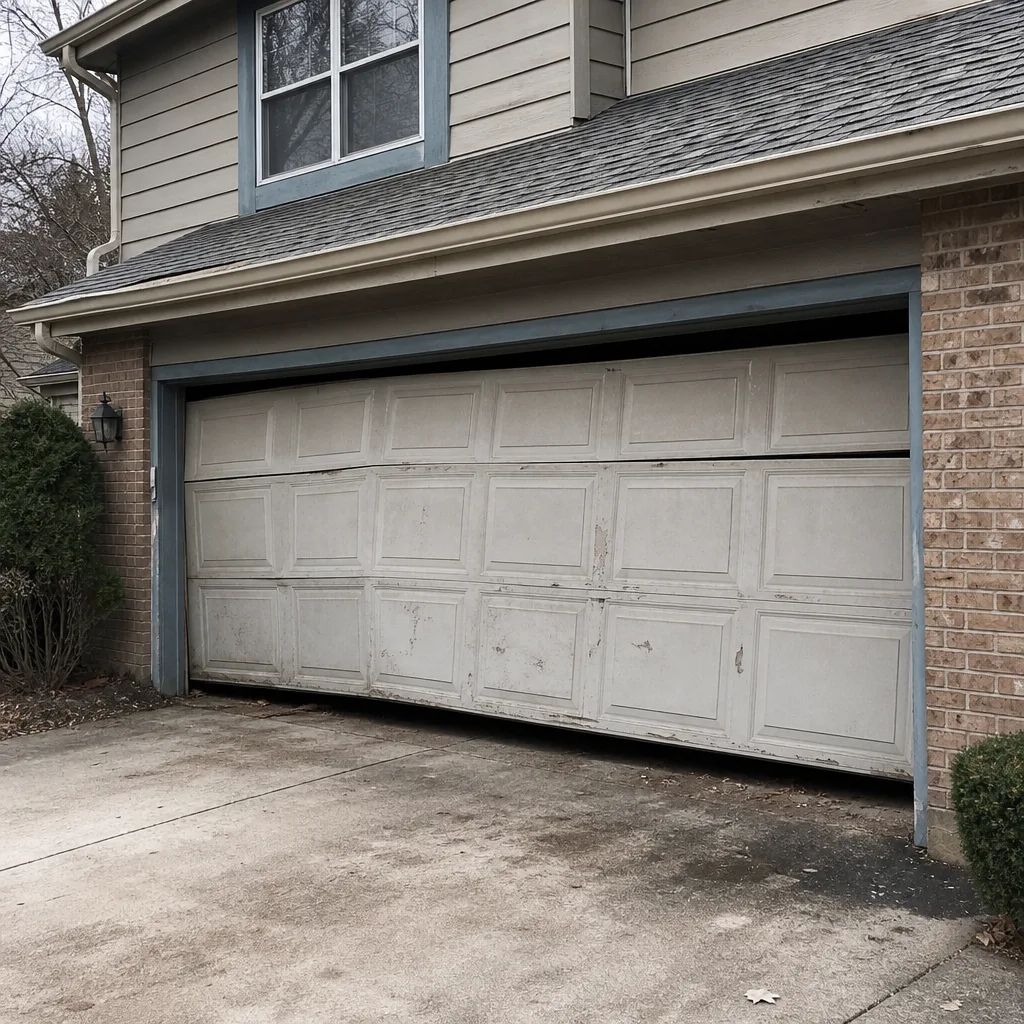 Before
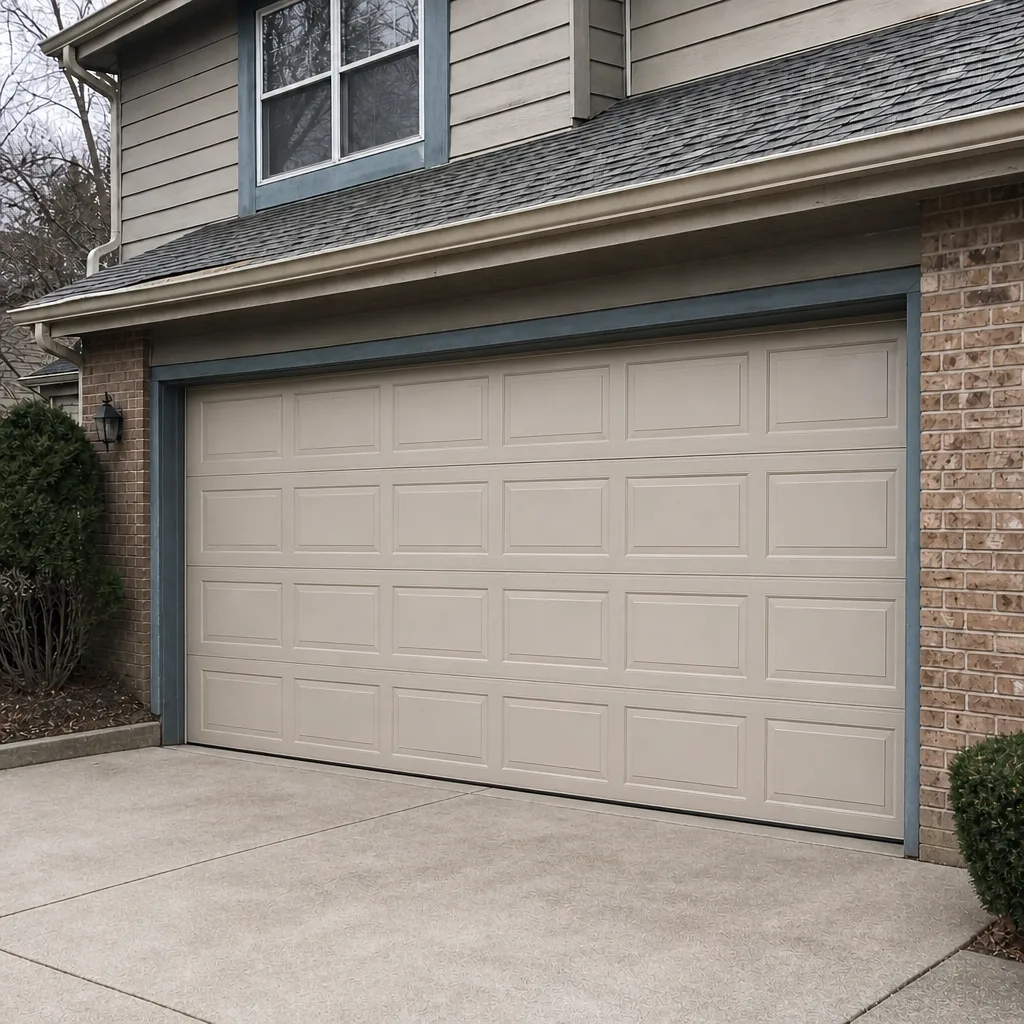 After
 Before
 After
 Before
 After