Last updated November 22, 2026
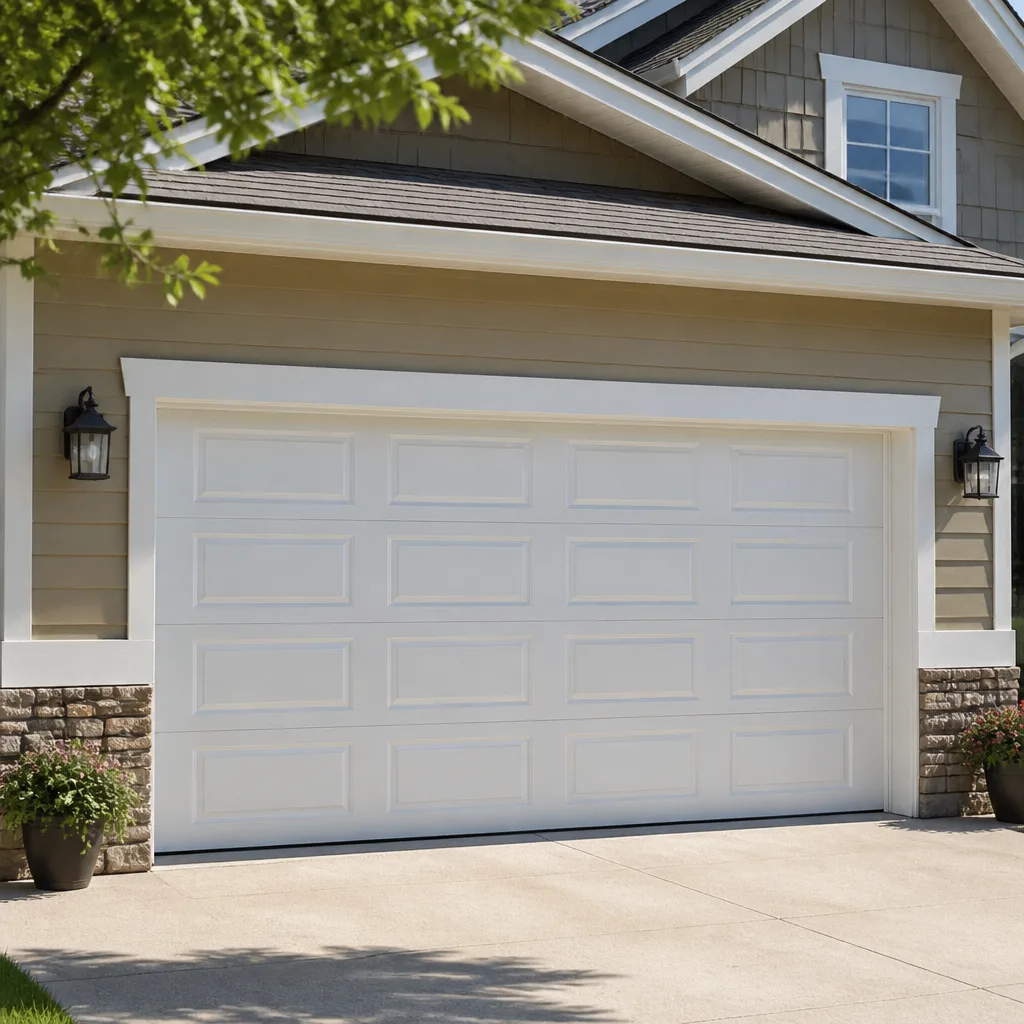 Raised-panel steel
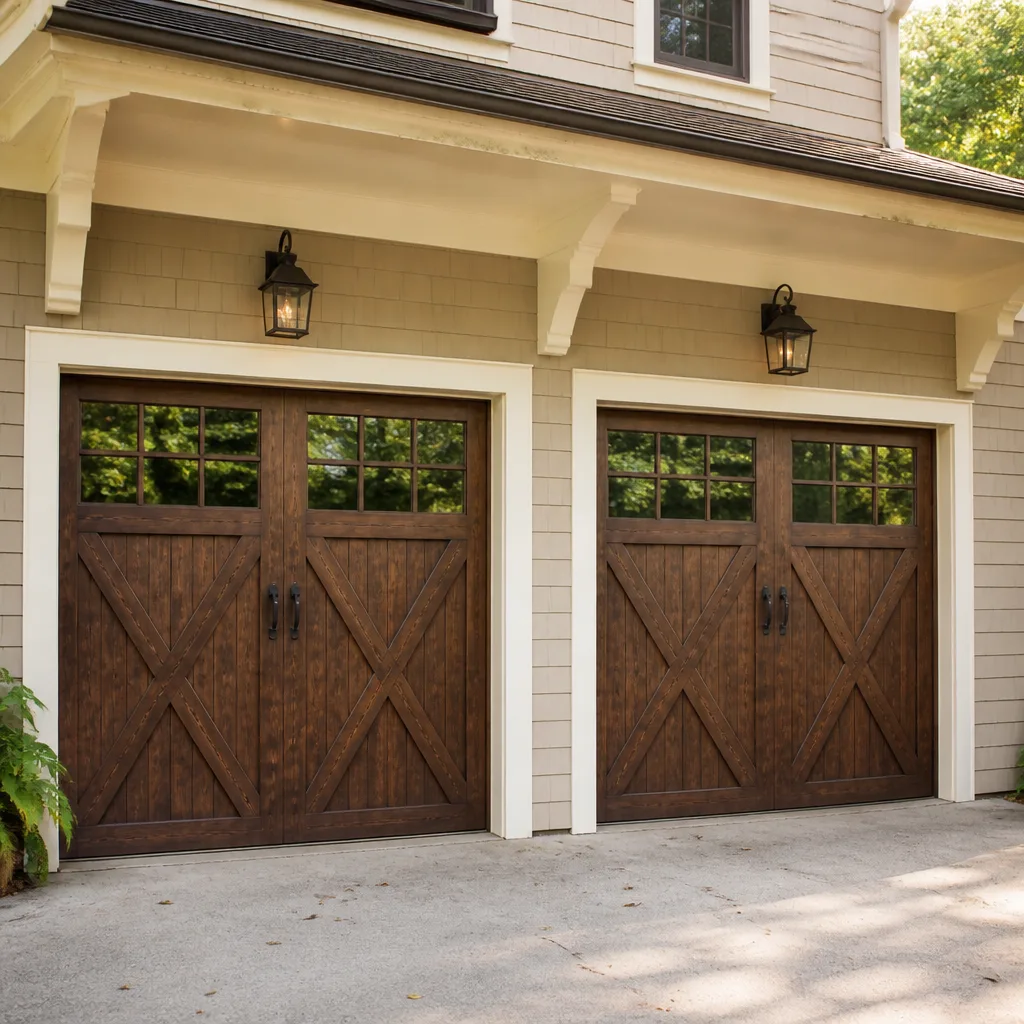 Carriage house
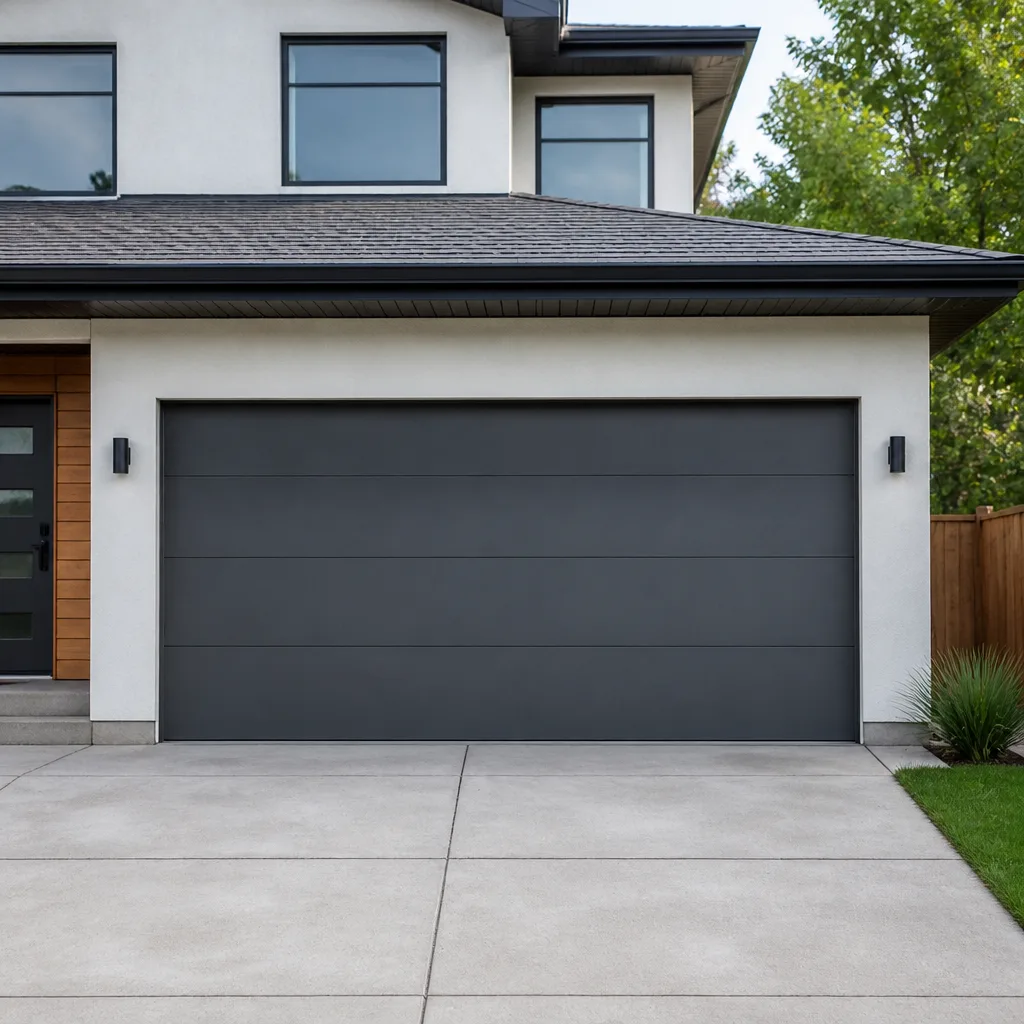 Modern flush
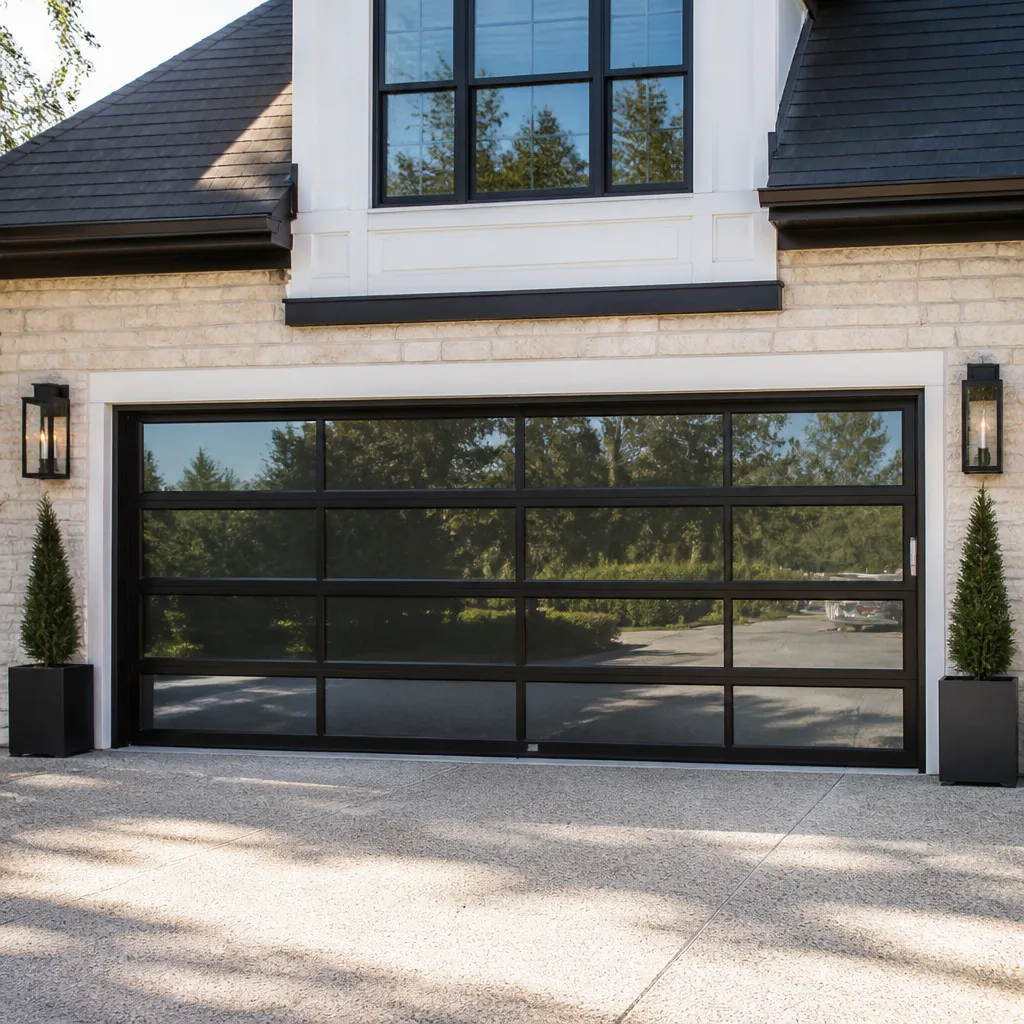 Full-view glass
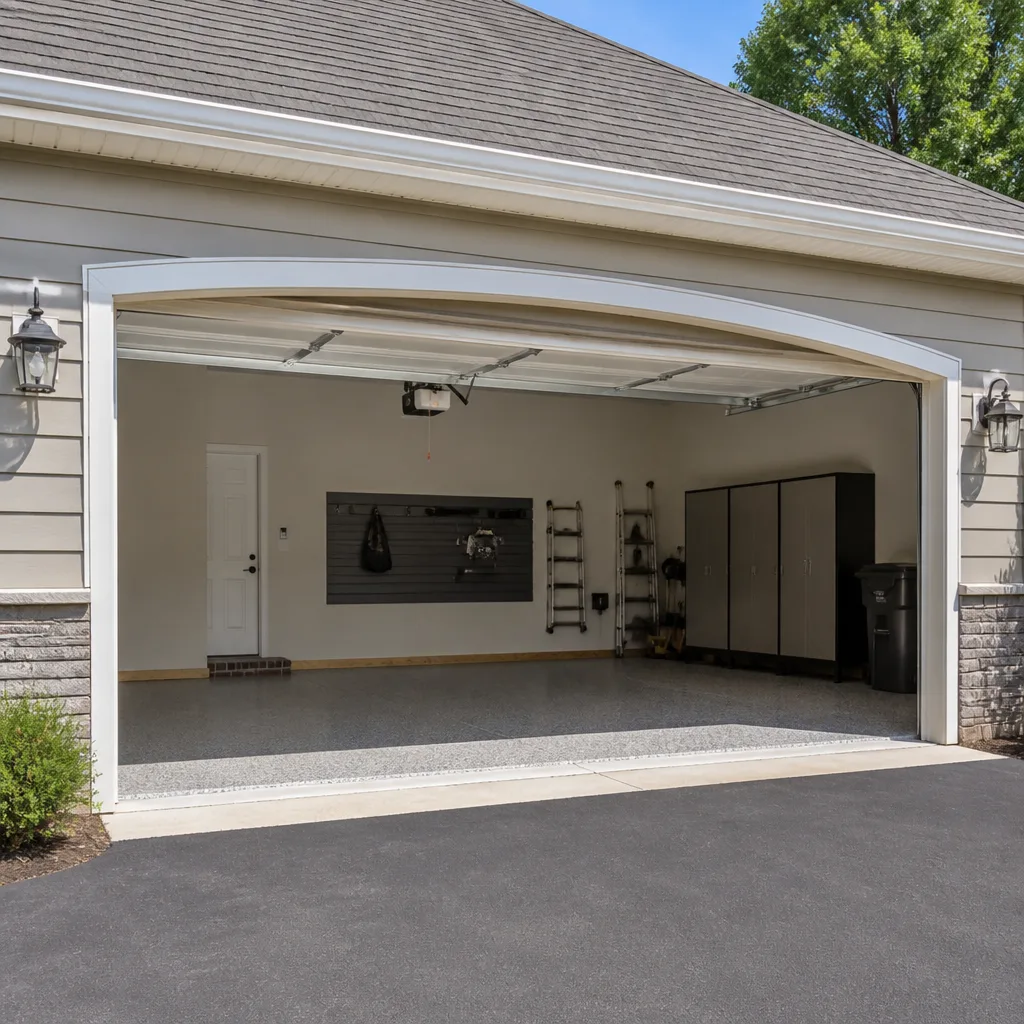 LiftMaster openers
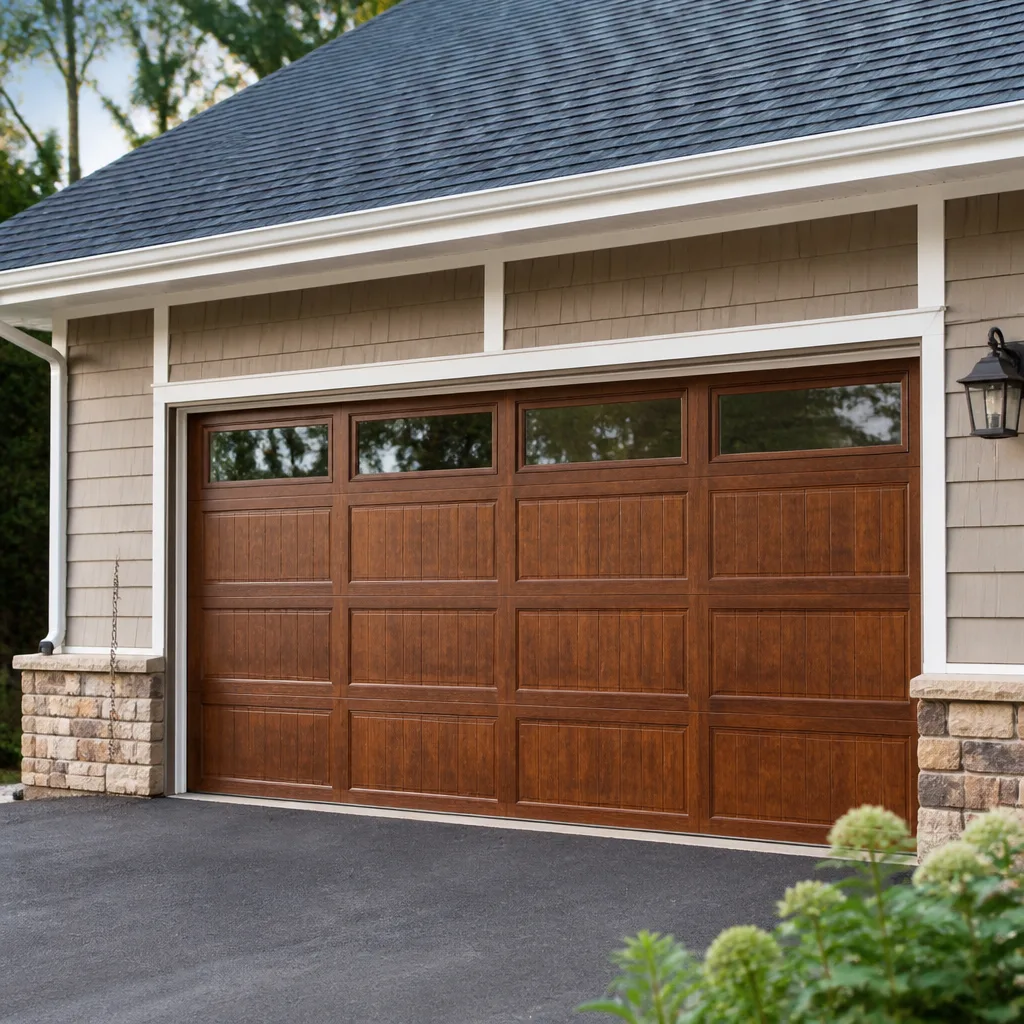 Chamberlain openers
Full 25-point door and opener safety check with every visit - springs, cables, rollers, tracks, and your LiftMaster or Chamberlain opener included
You get a price before we start. It does not change when the pro arrives.
Get your free estimateGarage Door Permits, Codes & Inspections in Wheaton, IL: What You Need to Know
Here’s the part most people miss: a garage door replacement isn’t always the simple swap it looks like. When a new door means a new header beam, altered framing, or a heavier system than the one that came out, the work crosses from maintenance into construction – and that’s where a City of Wheaton building permit comes in. Plenty of installations go in without one, and the gap usually surfaces later, when a home inspector flags it during a sale. This guide walks through what actually triggers a permit in Wheaton, how the inspection works, what unpermitted work means at resale, and how to fix a missing permit after the fact. By the end you’ll know exactly where your project sits.
Quick Answer
In Wheaton, a like-for-like panel or door swap on the same track and existing framing usually doesn’t need a permit, but a full system replacement that includes structural work – a new header beam, widened opening, or changes to the framing above the door – does. Opener replacement alone generally doesn’t trigger a permit. When structural work is involved, the door’s construction specs have to meet DuPage County’s wind load requirements before the city will sign off. If you’re unsure which category your job falls into, ask the City of Wheaton building department directly before work starts.
Styles & brands we work with
- Raised-panel steel
- Carriage house
- Modern flush
- Full-view glass
- LiftMaster openers
- Chamberlain openers
Table of Contents
- What triggers a garage door permit in Wheaton?
- Wind load and Illinois code: what goes in the application
- How the Wheaton inspection process actually works
- Unpermitted work and resale: what Illinois requires you to disclose
- How to permit work that was already done
- Why Wheaton’s climate matters for door specs and springs
- Choosing an installer who handles the paperwork
- Common mistakes to avoid
What triggers a garage door permit in Wheaton?
The permit question comes down to one distinction: are you changing the door, or changing the structure around it? That line decides whether you’re filing paperwork with the City of Wheaton or simply scheduling an install. Most homeowners assume every garage door job is the same category. It isn’t, and the difference matters at resale.
Here’s how the three common scenarios usually sort out. These are the thresholds as homeowners in Wheaton typically encounter them – your specific job should always be confirmed with the city’s building department, since interpretations can vary by scope.
- Panel-only or door swap, same opening and framing: Replacing door sections or a full door on the existing track, with no change to the framing, header, or opening, is generally treated as a replacement rather than construction. This is the most common Wheaton garage door job, and it usually doesn’t require a permit.
- Opener replacement or repair: Swapping an opener, changing a drive system, or repairing opener components doesn’t alter the structure. It generally doesn’t require a permit on its own.
- Full system replacement with structural work: Installing a new header beam, enlarging the opening, changing the framing above the door, or moving to a substantially heavier door that requires reinforcement – this is construction, and it almost certainly requires a City of Wheaton building permit.
The trap is the middle ground. A homeowner replaces a lightweight door with a heavier insulated model and the installer adds reinforcement to carry the extra weight. That reinforcement is structural work, even though the project started as “just a new door.” Same story when a sagging header gets rebuilt during a replacement – the moment the framing changes, you’ve moved into permit territory.
If your project is a straight replacement on existing framing, you’re likely in the clear, and you can read more about what that job involves on our garage door installation page. If the framing is changing, that’s when the conversation starts with the city.
Wind load and Illinois code: what goes in the application
Garage doors are the largest moving component on a house, and they’re also a big flat surface that wind pushes against. That’s why door construction specs matter to the city, not just to you. DuPage County’s wind load requirements – developed in line with the Illinois Energy Conservation Code framework that governs construction standards across the state – mean the door you install has to be rated for the wind pressures at your location. When structural work is part of the job, the permit application needs to show that the door and its mounting meet those requirements.
In practice, that means the paperwork submitted with a permit application for a structural garage door job typically includes:
- The door manufacturer’s specification sheet, showing the model and its wind load rating.
- Details on the track, brackets, and anchors, along with how they’re fastened to the framing.
- Confirmation that the header and framing can carry the door’s weight and the wind pressure it will face.
- Installation instructions from the manufacturer, which the inspector may reference during the site visit.
This is where brand knowledge earns its keep. Door manufacturers publish different spec packages, and not every model line is rated the same way. If you’re installing a Clopay or a Raynor door, the correct spec sheet comes from that manufacturer’s current documentation, not a generic template. A permit application with the wrong spec sheet gets kicked back, and that costs you time.
One practical note for Wheaton homeowners: get the door selected before the permit is filed. Changing the door model mid-permit means refiling. If you’re still deciding between models, the wind load rating of each option should be part of the comparison, not an afterthought. Our team works with the major door manufacturers regularly and can point you to the right documentation for the door you choose.
How the Wheaton inspection process actually works
Once the permit is issued, the work can start, and an inspection follows. A City of Wheaton building inspector isn’t there to grade the installer’s craftsmanship – the inspector checks that the structural work matches what was approved on the application. Understanding what gets looked at helps you avoid a failed inspection and a second visit.
Here’s the general sequence for a permitted garage door job:
- Application and review. The permit application, door specs, and structural details go to the city. Review times vary with the department’s workload and the complexity of the job, so build some lead time into your schedule rather than assuming an instant approval.
- Permit issued. Work can proceed only after the permit is in hand. Starting early is what creates unpermitted work.
- Rough-in inspection where required. For jobs with framing or header changes, an inspector may want to see the structural work before it’s closed up.
- Final inspection. The inspector confirms the installed door, track, and mounting match the approved specs, and that the structure is sound.
- Sign-off and close-out. The permit is closed, and you keep the record. That record is the thing that protects you at resale.
What does the inspector actually look at? The header and framing connections, how the track is anchored, whether the door matches the rated model on the application, and whether the installation follows the manufacturer’s instructions. They’re not testing your opener’s remote range. They’re confirming the structure and the door are what the city approved.
Timelines are the part nobody can promise you in advance – review and inspection scheduling depend on the city’s current volume. The safe approach is to sort the permit question before you order the door, not after. Our Wheaton Garage Door Repair Co team can walk you through what a given job will need, and you can call (844) 789-3469 with questions about your specific project.
Unpermitted work and resale: what Illinois requires you to disclose
This is where skipping the permit comes back around. When you sell a home in Wheaton, the buyer’s inspector walks the property, and an unpermitted structural change to a garage door opening is exactly the kind of thing a careful inspector notices. A header that doesn’t match the original framing, fresh reinforcement with no paper trail, a door that’s clearly heavier than the opening was built for – these raise questions.
Under Illinois law, sellers complete a residential property disclosure statement that covers known material defects and certain conditions of the property. An unpermitted structural modification is a fact a seller needs to think carefully about disclosing, and a buyer who discovers it after closing has grounds to push back. The practical fallout tends to look like this:
- Delayed closings. A buyer’s lender or attorney may require the permit be pulled and the work inspected before the sale goes through.
- Negotiating leverage shifts. Unpermitted work becomes a bargaining chip in the buyer’s favor, whether or not the work itself is sound.
- Title and insurance questions. Title companies and insurers can raise questions when a structural change has no municipal record behind it. The answers usually require retroactive permitting, which is slower and more expensive than doing it right the first time.
The frustrating part is that the actual installation might be perfectly fine. A well-built header is a well-built header whether or not a permit exists. But at resale, the record matters as much as the work. A closed permit in the city’s files is a document that answers the question before anyone asks it. If you’re planning a sale in the next few years, treat the permit as part of the project cost, not an optional add-on. For more on what repair and replacement work involves in Wheaton homes, see our garage door repair page.
How to permit work that was already done
If you’ve discovered that a previous installation was done without a permit – maybe it came with the house, maybe it was years ago – you’re not stuck. Cities generally have a path for permitting existing work, though the process is more involved than a permit filed before construction. Whether it’s worth pursuing depends on your plans for the property.
The retroactive process usually runs like this:
- Contact the City of Wheaton building department. Explain what work was done and when, as best you know. They’ll tell you what they need to see.
- Provide documentation. Depending on the situation, that may mean plans, photos, manufacturer specs for the installed door, or an assessment from a qualified professional confirming the structure is sound.
- Possibly open walls or framing for inspection. If the structural work is concealed, an inspector may need to see it. That’s the part that makes retroactive permitting more disruptive than a pre-construction permit.
- Pay the permit fees and any additional inspection costs. Fees vary with the scope of work, and there may be a penalty component for work done without a permit. The city sets these, so ask for the current fee schedule up front.
- Complete any corrections the inspector requires, then get sign-off. If the work doesn’t meet current standards, it has to be brought into compliance before the permit closes.
Is it always worth it? If the work is sound and you’re not selling soon, some homeowners choose to leave it and disclose honestly if they do sell. If you’re planning to sell in the near term, or if there’s any question about the structural soundness of the installation, retroactive permitting is usually the cleaner path. The cost of opening up framing for inspection is real, but it’s typically less than the negotiating hit at resale. Ask the building department what your specific situation requires before you commit to a plan.
Why Wheaton’s climate matters for door specs and springs
Wheaton sits in a part of northern Illinois that swings hard between seasons. That range matters for garage doors in two ways: it affects the specs your door should carry, and it affects the parts that do the heavy lifting day after day.
On the structural side, the same wind load requirements that put door ratings on paper exist because this region sees real wind events. A door rated for those pressures, properly anchored, holds up better when the weather turns. That’s the practical reason the city wants to see the spec sheet on a permitted structural job – the rating is the proof the door is built for the conditions it will face.
On the mechanical side, temperature swings are hard on springs. Steel coils expand and contract with the seasons, and a spring that’s near the end of its service life tends to fail during a cold snap – which is exactly when a stuck garage door is least convenient. This is the highest-risk repair in the trade, and it’s not a job to take on without training. Torsion springs are under heavy tension, and handling them incorrectly can cause serious injury. We handle both torsion and extension spring work as a standalone service for that reason, and you can read about what’s involved on our garage door spring repair page.
If you’re choosing a new door and care about energy performance, the insulation rating and wind rating should both be on your comparison sheet. Ask for the manufacturer’s spec documentation for each model you’re considering – the same paperwork the city will want if structural work is involved. An opener that’s aging alongside the door will eventually need attention too, and our garage door opener repair page covers the common failure points for LiftMaster, Chamberlain, and Craftsman systems.
Choosing an installer who handles the paperwork
For a structural job, the permit isn’t separate from the installation – it’s part of it. An installer who knows the process builds the permit step into the schedule, files the right documentation, and coordinates the inspection. One who doesn’t may tell you it’s unnecessary. That’s the conversation to watch for.
When you’re evaluating an installer for a Wheaton garage door project, ask these questions directly:
- Does this job involve structural work? Ask them to explain why or why not, not just answer yes or no.
- What’s the wind load rating of the door model, and can they provide the spec sheet?
- Who files the permit – them or you – and who coordinates the inspection?
- What happens if the inspector requires a correction? Who covers that cost and time?
On a simple replacement or opener repair, none of this comes up, and the questions shift to diagnosis and parts. On a structural job, an installer who hesitates on the permit question is telling you something. Our technicians have up to 15 years of experience, work on eight major door and opener brands, and know what a permitted Wheaton installation requires from start to sign-off. Garage door work is all we do, so the permit process for a header replacement isn’t an unfamiliar side task – it’s part of the routine.
Common Mistakes to Avoid
- Assuming a new door never needs a permit. The trigger isn’t the door – it’s the structural work around it. A heavier door with new reinforcement is structural, even if it started as a simple replacement.
- Starting work before the permit is issued. Even with a pending application, starting early creates unpermitted work. Wait for the permit in hand.
- Picking the door after filing the permit. Changing the model mid-permit means refiling. Select the door and get its wind load spec sheet first.
- Ignoring the framing condition during a swap. Replacing a door on a sagging header without addressing it is the kind of thing an inspector catches and a home inspector flags later.
- Skipping the record because “it’s fine.” Sound work with no permit still creates resale friction under Illinois disclosure rules. The record matters as much as the installation.
- Handling torsion springs yourself to save time. Springs are under heavy tension and a cold-weather surprise failure is the most common scenario in Wheaton. This is the one repair to leave to a trained technician.
- Not asking who owns the inspection coordination. On a permitted job, someone has to be responsible for scheduling and any required corrections. Get that answer before you sign.
See the difference
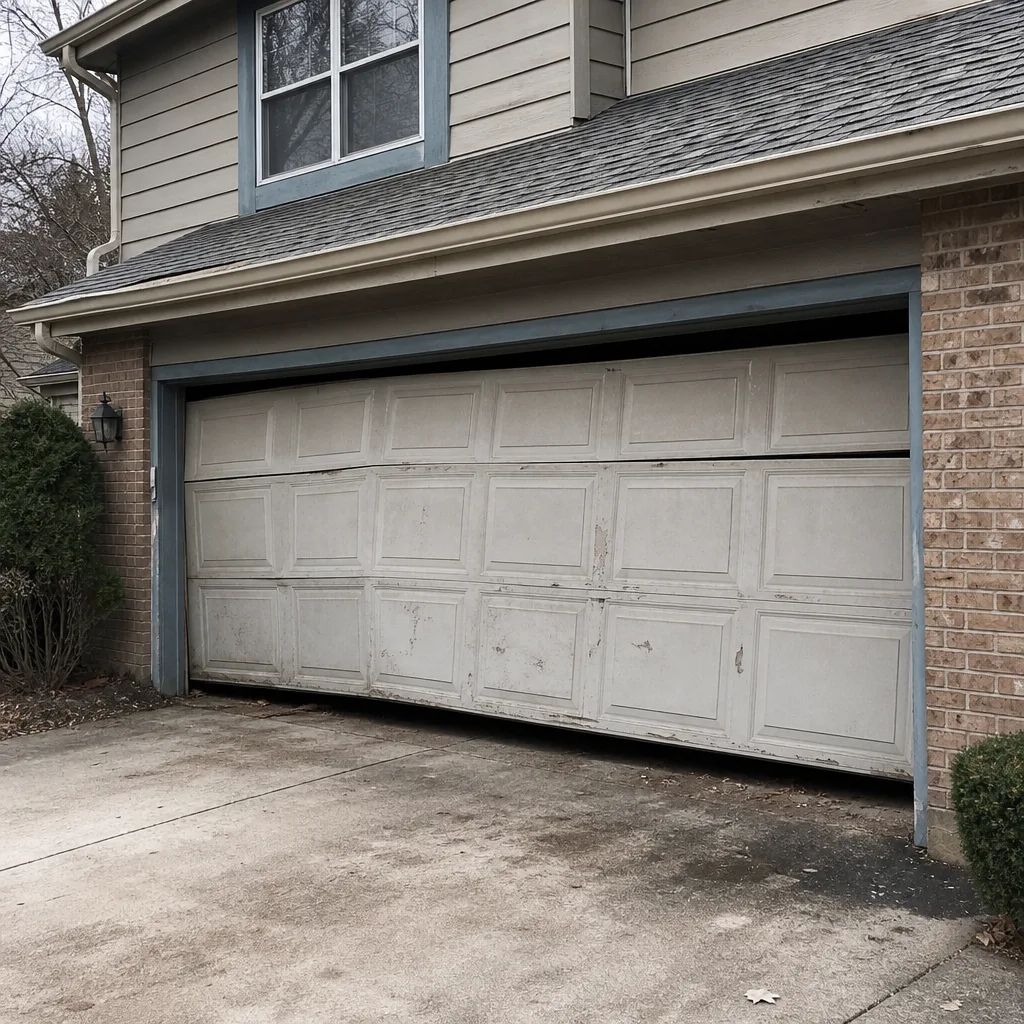 Before
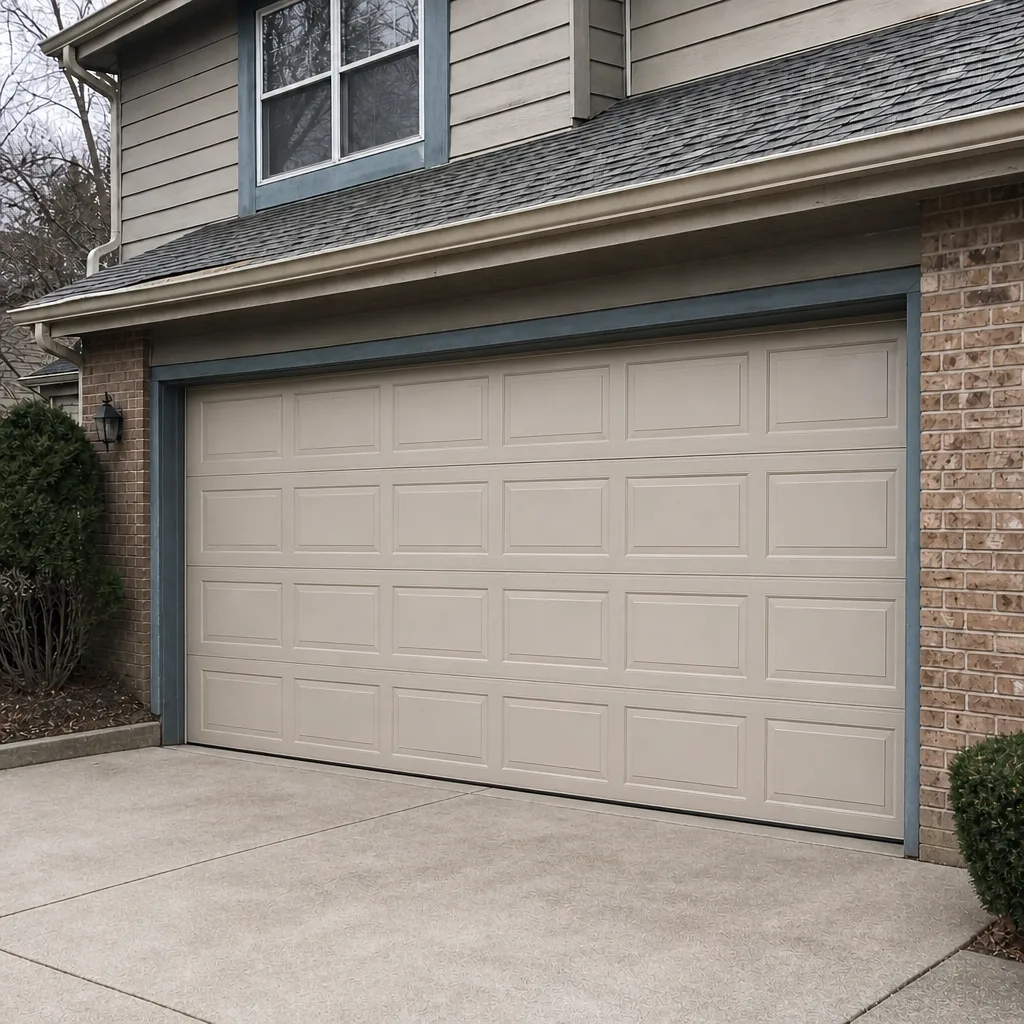 After
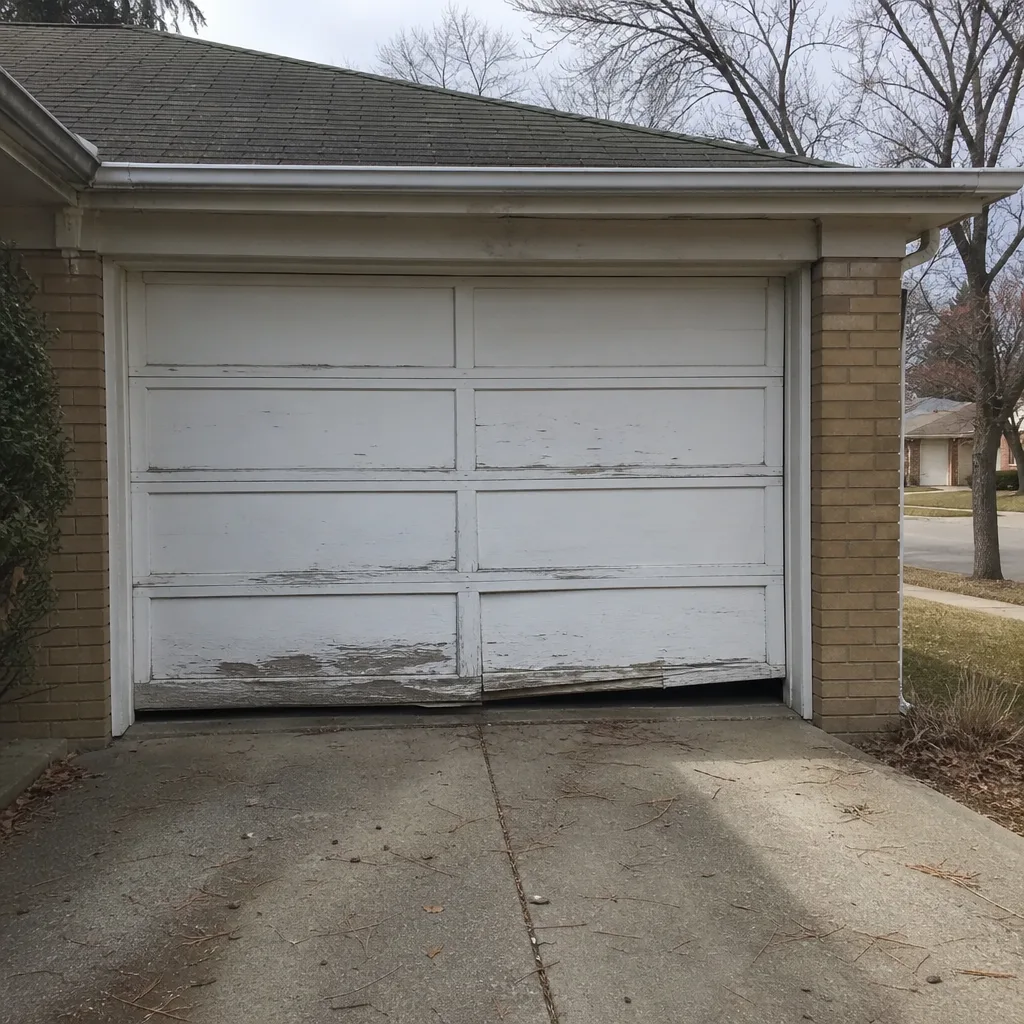 Before
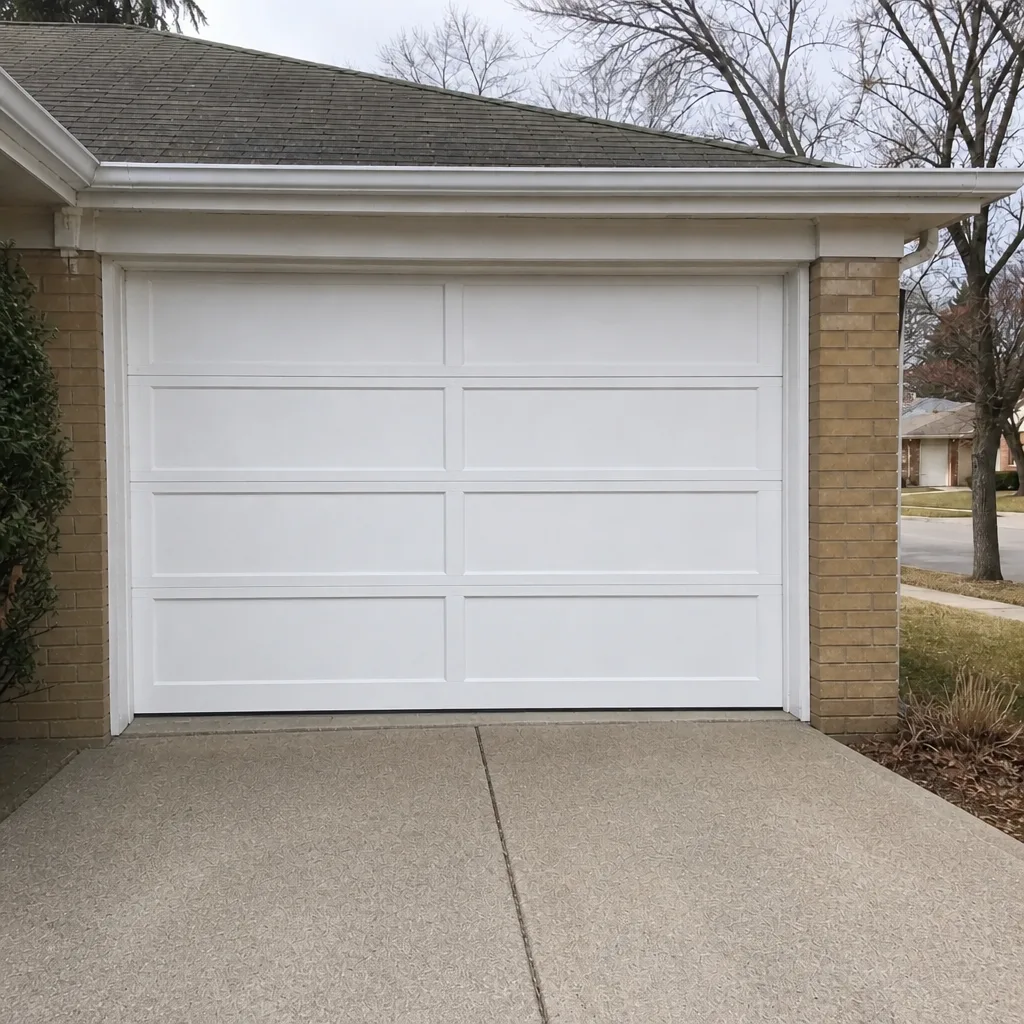 After
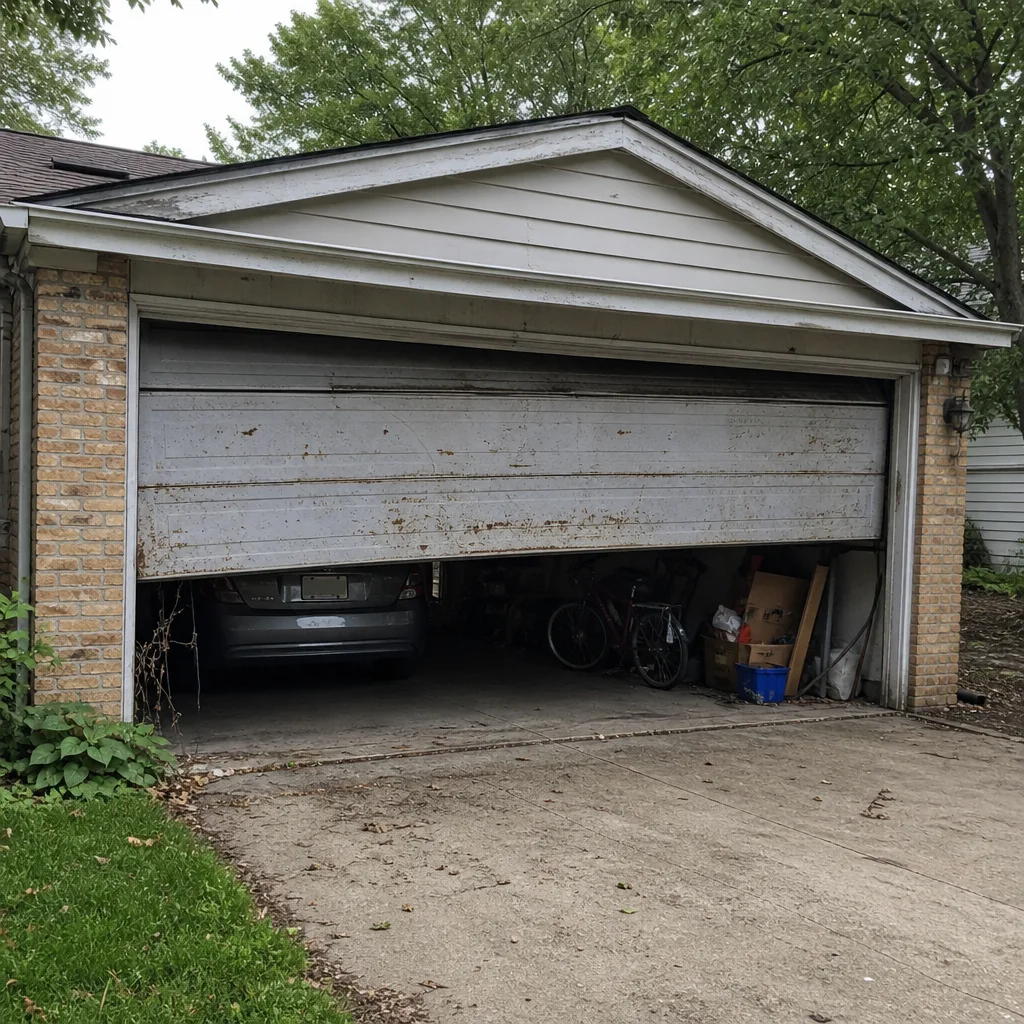 Before
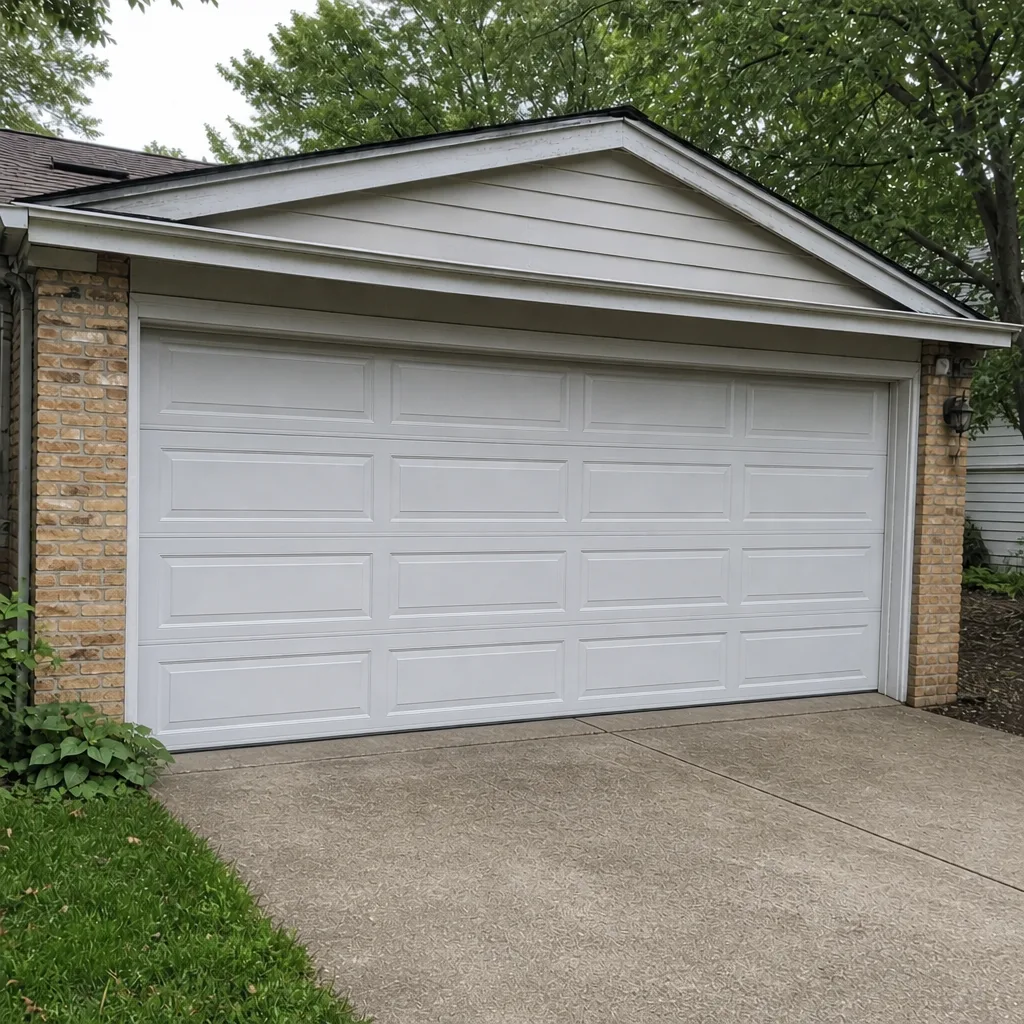 After
When to Call a Professional
Bring in a trained technician when the door is behaving unsafely – jerking, off its track, or refusing to open with a car trapped inside – and when a spring has failed. Spring repair done safely means handling the tension system with the right tools and knowledge, and it’s the highest-risk repair in the trade. Call a professional before work starts if your project involves a new header beam, framing changes, or a substantially heavier door, because those jobs need the permit question settled first. Call us too when you’re planning a new door and want brand-informed guidance instead of a one-size pitch; we work with LiftMaster, Chamberlain, Genie, Craftsman, Clopay, Amarr, Wayne Dalton, and Raynor. Wheaton Garage Door Repair Co offers free estimates in Wheaton – call (844) 789-3469. Emergency garage door service is a real, available service line with us, not fine print.
Frequently Asked Questions
It depends on whether the job changes the structure. A like-for-like door swap on existing framing and track generally doesn’t require a City of Wheaton building permit, but a full system replacement that includes a new header beam, widened opening, or framing changes almost certainly does. Ask the City of Wheaton building department to confirm your specific scope before work starts. Call (844) 789-3469 for a free estimate – we’ll walk through what your project involves.
Generally no. Opener replacement or repair doesn’t change the structure of the opening, so it typically falls outside permit requirements. The exceptions are jobs where the opener install involves structural reinforcement – rare, but worth confirming with the city if your situation is unusual. For routine opener work, our garage door opener repair team can diagnose the issue on the spot.
The inspector confirms the structural work and the installed door match what the city approved. That means the header and framing connections, how the track is anchored, whether the door model matches the rated spec sheet on the application, and whether the installation follows the manufacturer’s instructions. They’re checking compliance with the approved plans, not grading the craftsmanship. Review and inspection timelines vary with the department’s workload, so build in lead time. Call (844) 789-3469 to talk through a permitted project.
Under Illinois law, sellers complete a residential property disclosure statement covering known conditions, and an unpermitted structural modification needs to be handled honestly in that process. A buyer’s inspector may flag it, which can delay closing, shift negotiating leverage, or trigger questions from the buyer’s lender or title company. Pulling a retroactive permit before listing is usually cleaner than discovering the gap mid-transaction. Call (844) 789-3469 and we can help you sort out what the work actually involved.
Yes, in most cases. The process starts with the City of Wheaton building department, which will tell you what documentation and inspection they need. That may include plans, photos, manufacturer specs, and opening up concealed framing for an inspector. Permit fees and possible penalties apply, and any corrections the inspector requires must be completed before sign-off. Whether it’s worth pursuing depends on your plans for the property – if a sale is near, it usually is. Call (844) 789-3469 for a free estimate on the work itself.
Temperature swings are hard on steel coils, and a spring near the end of its service life tends to let go during a cold snap. That’s the failure homeowners in Wheaton call about most, and it’s the repair to leave to a trained technician – torsion springs are under heavy tension and handling them incorrectly can cause serious injury. For brand-specific troubleshooting on Craftsman, Raynor, LiftMaster, or Chamberlain systems, call (844) 789-3469 – estimates are free.
The Bottom Line
The permit question in Wheaton comes down to structure. Swap a door on existing framing and you’re likely in the clear. Change the header, framing, or opening, and you’re filing with the City of Wheaton and meeting DuPage County’s wind load requirements along the way. Opener work generally stays outside the permit process. The cost of getting this wrong shows up at resale, under Illinois disclosure rules, as a negotiating problem that’s easier to prevent than to fix. If you’re planning a structural job, settle the permit before you order the door. If you’ve inherited unpermitted work, the city has a retroactive path – ask them what your situation needs. When it comes to spring failures and door repair, call a trained technician rather than handling the tension system yourself. Call (844) 789-3469 for a free estimate and straight answers about your Wheaton project.
Written by the team at Wheaton Garage Door Repair Co.