Last updated November 22, 2026
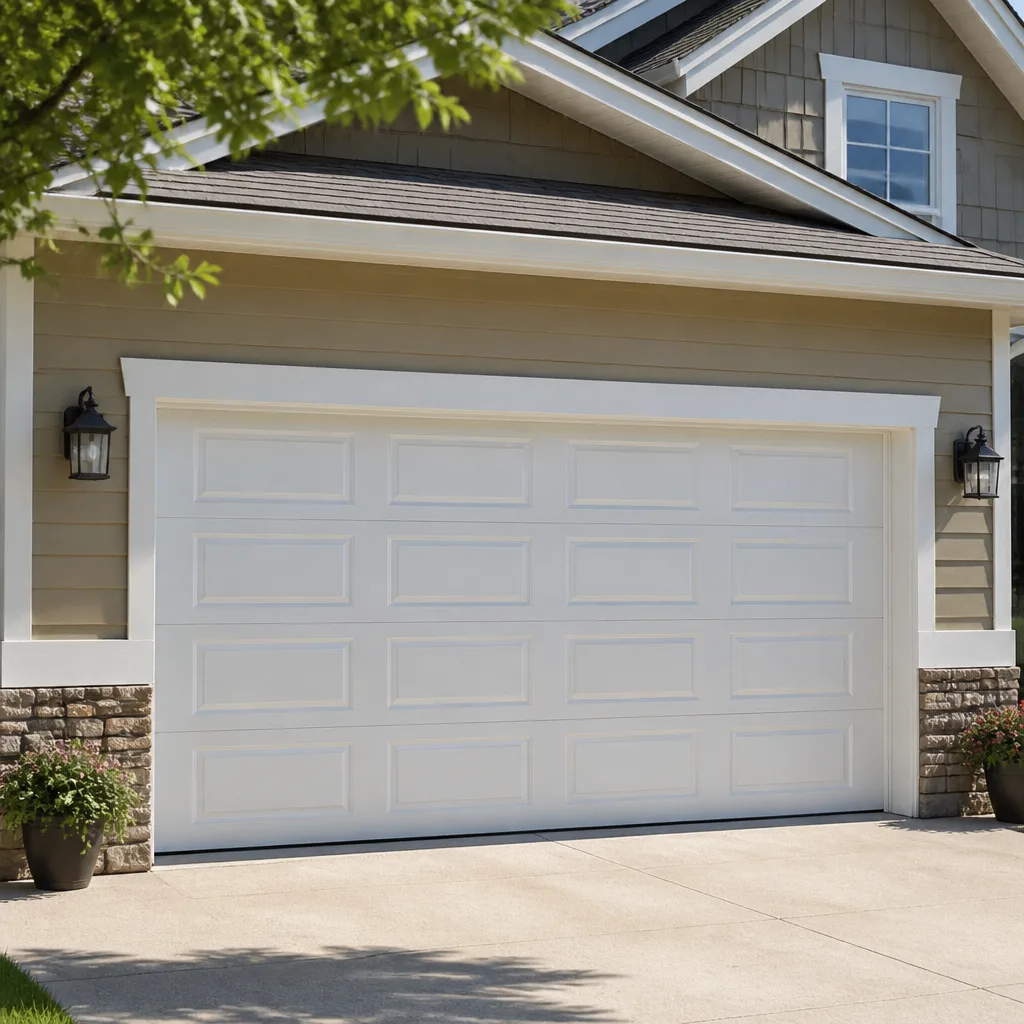 Raised-panel steel
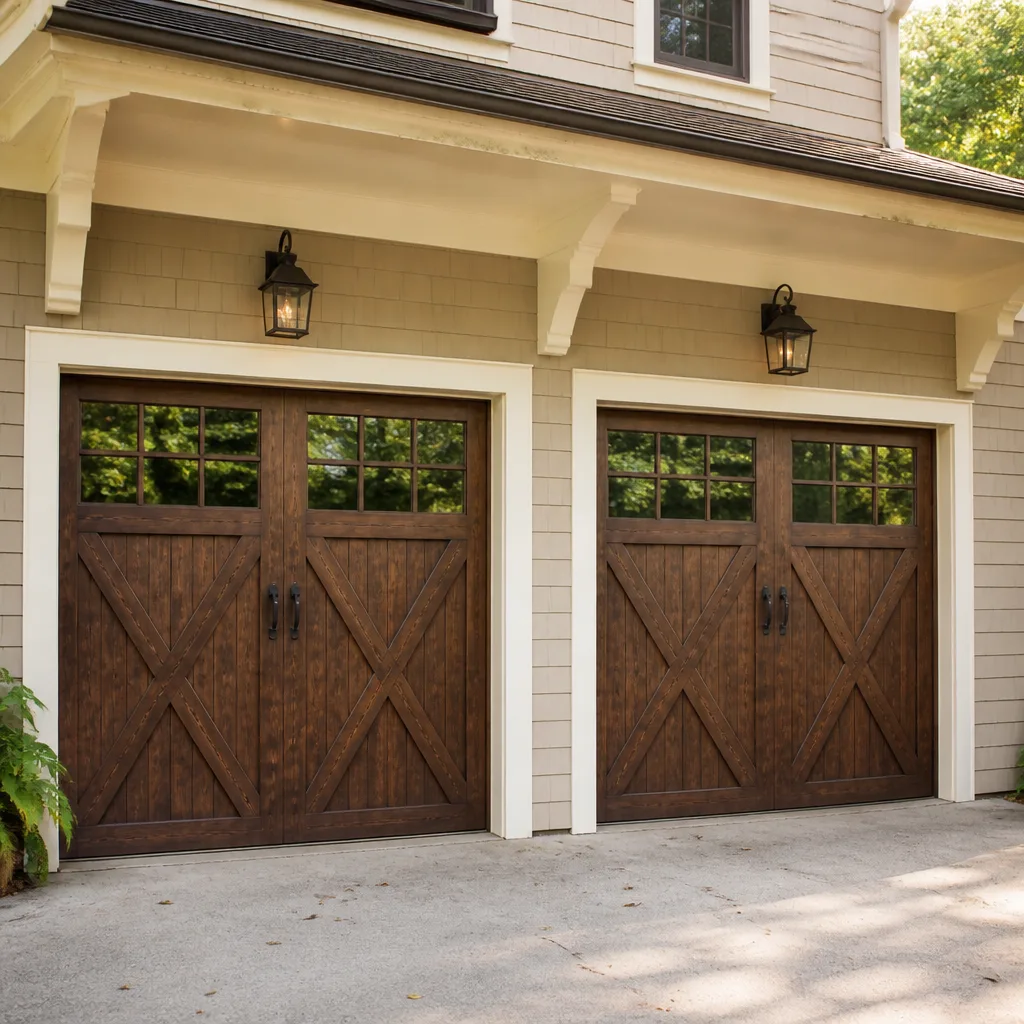 Carriage house
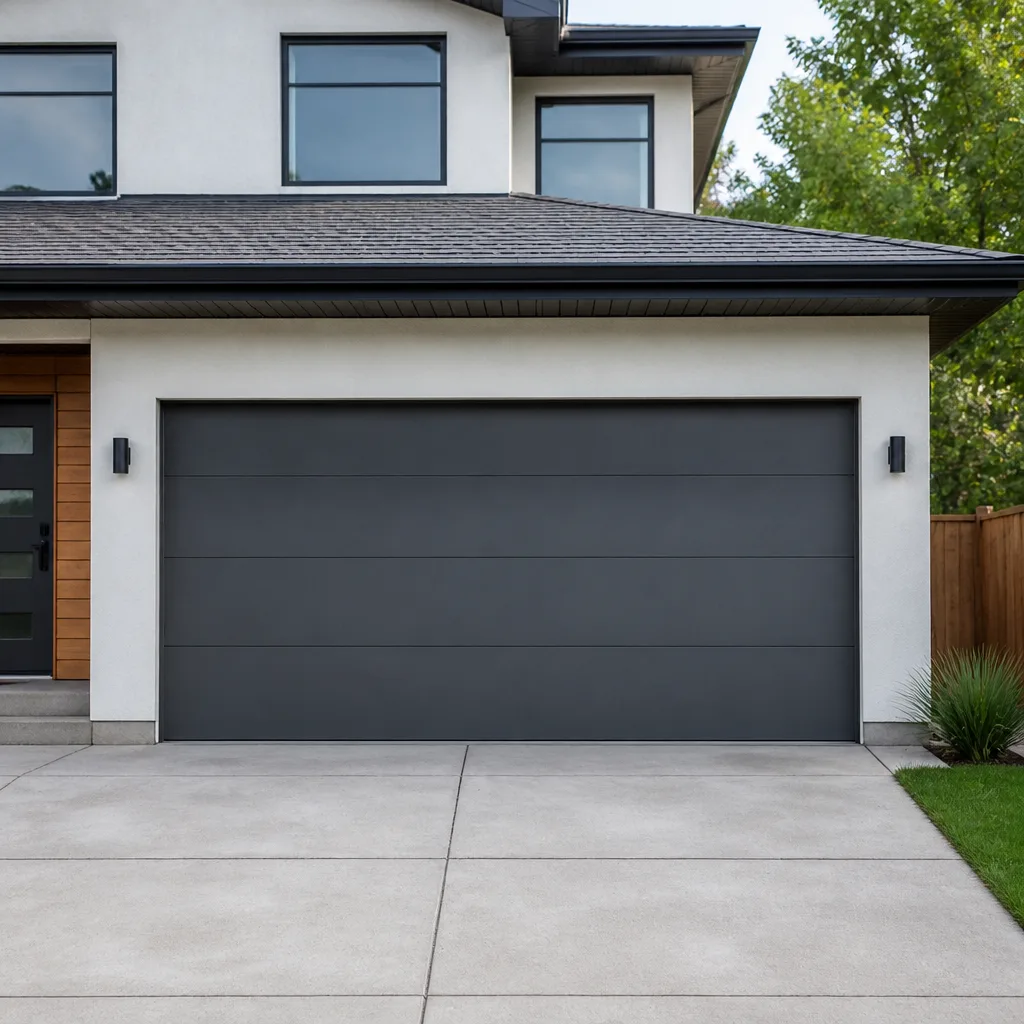 Modern flush
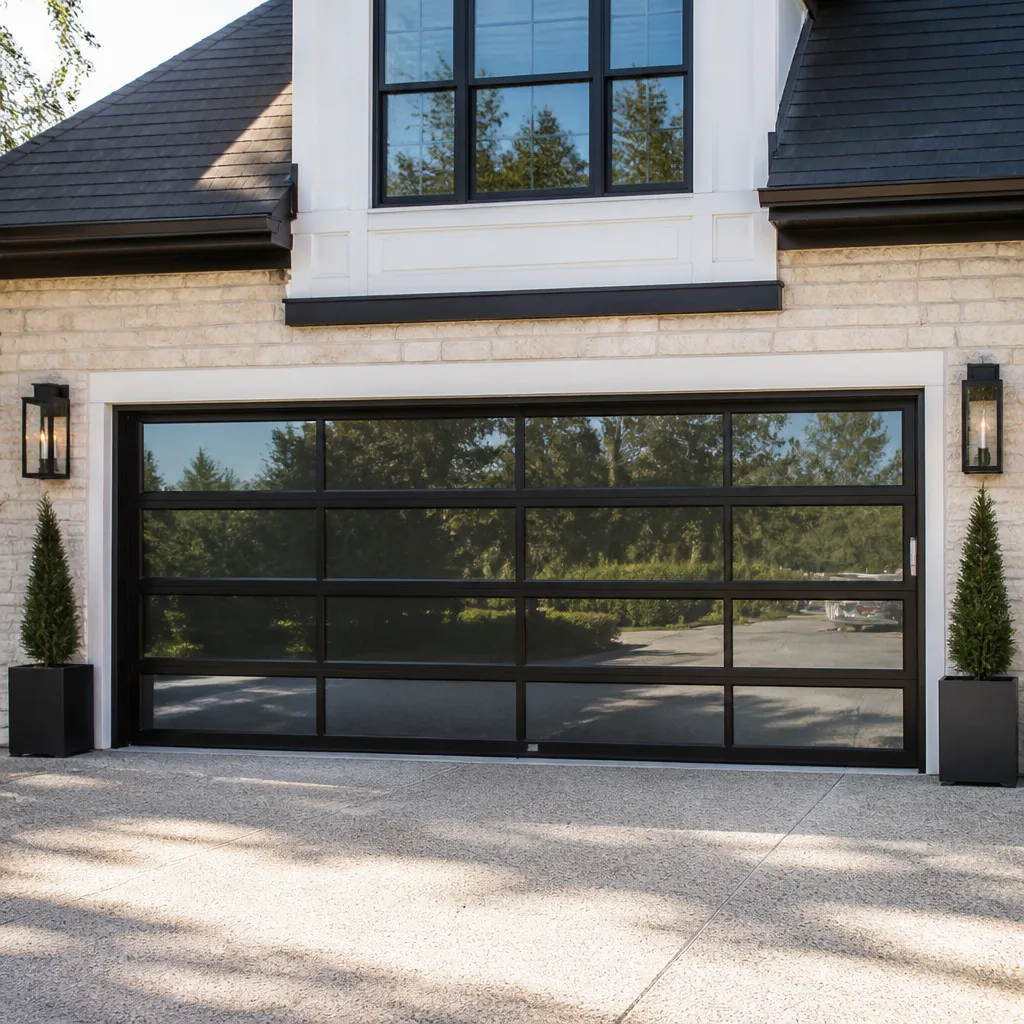 Full-view glass
 LiftMaster openers
 Chamberlain openers
Full 25-point door and opener safety check with every visit - springs, cables, rollers, tracks, and your LiftMaster or Chamberlain opener included
You get a price before we start. It does not change when the pro arrives.
Get your free estimateGarage Door Emergency Preparedness Guide for Wheaton Homes
If your garage door is your only exit from an attached garage during a power outage and you’ve never pulled the emergency release cord before, the first time you do it should not be at 11pm during a February ice storm with a car half-out of the door. Garage door emergencies in Wheaton follow predictable patterns. Spring failures cluster in January when cold snaps hit DuPage County. Power outages knock out openers during storm season. Cars get trapped when a door freezes to the apron or an opener strips a gear. None of these are random. Each has a procedure, and homeowners who know the three manual moves and keep two small items on hand can manage almost every scenario without waiting for help. This guide walks through each one in detail.
Quick Answer
A garage door emergency in Wheaton is manageable if you know three things: how to use the manual release for your specific opener type, where your lock bracket hardware is, and which visual checks tell you the door is unsafe to operate. A sturdy step stool and a padlock cover almost every manual scenario. Spring failure is the one case where you stop and call a trained professional, because torsion and extension springs store enough energy to cause serious injury.
Styles & brands we work with
- Raised-panel steel
- Carriage house
- Modern flush
- Full-view glass
- LiftMaster openers
- Chamberlain openers
Table of Contents
- Why Garage Door Emergencies in Wheaton Follow a Pattern
- The Manual Release Procedure for Three Opener Types
- What to Do When a Spring Breaks Mid-Operation
- Power Outage Protocols for Wheaton Homes
- The Two Items Every Wheaton Garage Should Have
- How to Assess a Post-Emergency Door Before Help Arrives
- Storm Season and Cold Snap Prep
- Common Mistakes to Avoid
Why Garage Door Emergencies in Wheaton Follow a Pattern
Wheaton sits in a climate with real temperature swings. July afternoons push into the upper 80s and January nights drop well below freezing, often within the same month’s span of extremes. Springs, cables, and opener gear assemblies are all metal and plastic under constant tension. When the temperature drops, steel contracts and lubricant thickens. The combination puts extra load on a torsion spring that has been quietly cycling for years, and a cold January morning is when it finally lets go. That’s why we see a spike in spring calls in Wheaton each winter.
The same cold creates a second class of emergency: doors that freeze to the concrete apron. If the bottom seal holds moisture and the temperature drops overnight, the door can bond to the floor. The opener strains, the safety reverse triggers, and the door won’t open. Homeowners often interpret this as an opener failure when the actual cause is at the bottom of the door.
Summer brings its own rhythms. Thunderstorms knock out power across Wheaton neighborhoods, and an opener without battery backup means the door is now a manual door whether you planned for it or not. Older housing stock around the Wheaton College area and the historic downtown district often still runs original or second-generation openers, many of them Craftsman or Genie units installed decades ago, which makes a power outage more disruptive because those systems aren’t always easy to release. Newer construction on the west side tends toward LiftMaster and Chamberlain belt drives with battery backup, which changes the outage experience entirely.
The point is simple. If you know which pattern you’re in, you know what to do. The rest of this guide is the procedure for each one.
The Manual Release Procedure for Three Opener Types
The emergency release cord is not universal. Trolley openers, jackshaft openers, and wall-mount openers all release differently, and the mistake homeowners make under pressure is to assume the procedure is the same. Here’s the correct sequence for each.
Trolley Opener (Most Common)
A trolley opener is the standard ceiling-mounted unit with a rail running from the motor head to the door. This covers most LiftMaster, Chamberlain, Genie, and Craftsman units you’ll find in a Wheaton garage.
- Make sure no one is standing under the door and the door is fully closed or fully open. Never release mid-travel.
- Locate the release cord hanging from the trolley carriage. It’s usually red or has a red handle.
- Pull the cord straight down and toward the door in one firm motion. You’ll feel a click when the carriage disengages.
- Lift the door by hand. A properly balanced door should rise with one hand and stay where you put it.
- To re-engage, pull the cord back toward the opener rail and run the opener once so the carriage reconnects.
The specific mistake we see most often: homeowners pull the cord sideways and the carriage half-disengages, leaving the door stuck in a partial state. Pull down and toward the door.
Jackshaft Opener (Wall-Mounted, Side of the Door)
Jackshaft openers mount beside the torsion shaft and drive the door directly rather than pulling a trolley. These are common on homes with high ceilings or low headroom, and they show up in Wheaton on newer builds and on doors with space constraints. A jackshaft unit has a release lever on the side of the opener body, not a hanging cord. You’ll need to reach it manually. This is exactly the scenario where a step stool matters, which we cover further down. Pull the lever to disengage, then operate the door by hand.
Wall-Mount Opener (Direct Drive, No Rail)
A true wall-mount direct-drive opener mounts to the wall beside the door and turns the torsion shaft. Many Chamberlain and LiftMaster direct-drive models fall in this category. The release mechanism is usually a manual clutch lever on the unit itself, sometimes recessed behind a cover. Some models require a key or a hex key to disengage. If your opener is this type, find the lever now, before an outage, and store the tool next to it.
If you don’t know which opener you have, check the motor housing for a brand plate. We service all three types across Wheaton and the differences matter more than most people expect. If you need a diagnosis, our garage door opener repair team can identify the type and walk you through the release over the phone before dispatching.
What to Do When a Spring Breaks Mid-Operation
A spring failure announces itself with a sound most homeowners describe as a gunshot coming from the ceiling of the garage. If you hear it, the door has already failed. The spring is broken and the door is now dangerously out of balance.
Here’s what to do, and it is mostly about restraint.
- Stop. Do not press the opener button again. Running the opener on a broken spring can strip gears and bend the rail.
- Keep everyone clear. If the door is partially up, do not stand under it.
- If the door is hanging open, you may be able to lower it by hand. Grip the bottom section firmly with both hands, lift slightly to release tension, and walk it down slowly. This requires two people on most double-car doors.
- Once the door is closed, unplug the opener from the outlet at the ceiling.
- Call a trained technician. Do not attempt to replace the spring yourself.
How the Cable Tells You Which Spring Broke
Torsion systems have two springs on the shaft above the door. Extension systems mount springs along the vertical tracks on either side. When a torsion spring breaks, the cable on that side often goes slack, and you’ll see the door hanging slightly tilted on one corner. When an extension spring breaks, you’ll hear a louder noise and the door will rise unevenly on that side.
The cable behavior is your clue. If both cables are drum-tight, the door may be stuck on a different issue. If one goes loose, you have a broken spring on that side and the door is not safe to operate. A matched pair is almost always replaced together, and we don’t recommend replacing one side only. If you’ve had a spring break, garage door spring repair is the call, and our specialists work with both torsion and extension systems.
The reason we’re firm about this: torsion springs on a residential door hold enough stored energy to launch a person across the garage. Cables are under hundreds of pounds of tension. Extension springs without containment cables can fail violently. This is the one component in the garage door trade we never suggest a homeowner handle, and every legitimate technician will tell you the same thing.
Power Outage Protocols for Wheaton Homes
Power outages hit Wheaton throughout the year, but the ones that create a real emergency are the multi-hour outages during winter storms or straight-line wind events. Here’s the protocol.
If Your Opener Has Battery Backup
Many current LiftMaster, Chamberlain, and Genie models ship with a battery backup system. A backup unit runs the door at a reduced speed for a limited number of cycles, then requires recharge. Newer Wheaton installs frequently include this feature. Test it once a year by unplugging the opener with the door closed and running it with the battery. If you’re not sure whether yours has backup, check the manual or the charger indicator light on the motor head. If your opener has no backup, the manual procedure is your option.
Manual Operation on Doors With Working Springs
If your springs are intact, use the release procedure for your opener type above. This is safe and routine. Lift the door by hand using the bottom section, never the hinges or the opener arm itself. A properly balanced door requires only modest effort.
Manual Operation on Doors With Broken Springs
If your springs are broken or questionable, the door may weigh the full weight of the panels and framing, typically several hundred pounds on a double-car unit. Do not attempt to lift or hold it by hand. This is the one scenario where the correct answer is to leave the door where it is and call for emergency service. Our emergency garage door service line is staffed for exactly this, even in an outage, and garage door repair after a spring failure during an outage is a same-day job in most cases.
Securing the Door When the Automatic Lock Is Electric
Some openers use an electronic deadbolt that only engages when the door is closed and the opener is powered. In an outage, that lock is disengaged. If you need security while the door is disabled, use the manual lock bracket or the door’s slide lock at the bottom. That takes us to the padlock.
The Two Items Every Wheaton Garage Should Have
Two items solve almost every manual scenario. Neither is exotic. Both belong in the garage, within arm’s reach of the door, not in the basement tool drawer.
1. A Sturdy Step Stool
The release cord on a trolley opener typically hangs about six feet off the floor, and jackshaft or wall-mount release levers sit higher still. If the person dealing with the outage is short, older, or the door is a tall carriage style, reaching the release is the first obstacle. A folding step stool or a short step ladder stored near the door solves it. Don’t use a chair, a bucket, or a milk crate. These tip. Pick a stool with a rated weight capacity and a non-slip tread.
2. A Padlock for the Manual Lock Bracket
When you bypass the opener, the automatic lock is off. If the garage is attached to your home, a door without a lock is a security gap. A padlock through the manual lock bracket at the bottom of the door, or through the door’s slide lock, gives you an immediate physical lock while the door is disabled. Match the padlock size to the shackle opening on the bracket; a standard brass padlock works for most doors. Store it inside the garage, not in the car, since the car is often exactly what’s trapped.
If your garage door doesn’t have a lock bracket, or the bracket has been removed, ask your technician about a replacement during your next routine service. Most homeowners don’t need to think about these two items until the night they need them.
How to Assess a Post-Emergency Door Before Help Arrives
Before you operate a door after any emergency, run these checks. They separate a door that’s merely stuck from one that’s unsafe to move.
Do Not Operate If You See
- A visibly bent or warped panel, especially near the hinges or the bottom section
- Loose or dangling cables that have come off the drum or the bracket
- A bent or offset track, or a track that has pulled away from the wall
- Rollers out of the track or visibly cracked
- Any spring that is visibly broken, stretched, or hanging
- A door that is off-level by more than an inch or two at the bottom corners
Any of these means stop. Do not force the door. Do not run the opener. Call for service and keep everyone clear.
Proceed Carefully If
- The door is level, the springs are intact, and the tracks are aligned
- The door moves by hand with light effort and stays where you place it
- The reverse safety feature works when you test it with an object under the closing edge
- The opener runs without unusual grinding or clicking
If your door passes those checks, you can operate it manually until power returns. If it passes but the opener doesn’t respond, the issue may be power, opener, or safety sensor related. A sensor alignment issue is often simple to check; look for a solid indicator light on both photo-eye units. If either blinks, the sensor is blocked or knocked out of alignment.
Storm Season and Cold Snap Prep
Two seasonal windows matter most for a Wheaton garage. Storm season, roughly spring through early fall, brings high winds and outages. Cold snaps in December through February bring spring failures and frozen thresholds.
Before storm season, walk the garage and check the following. Test the manual release. Test the battery backup if you have it. Make sure the safety reverse works. Check that photo-eye sensors are secured and unobstructed. Store the step stool and padlock where you’ll find them in the dark.
Before the first hard freeze, check the weather seal along the bottom edge. A worn or cracked seal lets in water that refreezes and bonds the door to the floor. Look at the springs for rust or visible cracks; cold weather makes a compromised spring fail faster. If your opener is a Craftsman, Genie, Raynor, or Wayne Dalton unit and you’ve never had it serviced, a pre-winter check is worth the call. Old openers are the ones that fail in predictable ways when the temperature drops and the motor works hardest.
We work on the brands you actually have in Wheaton. If your door is a Raynor carriage style or a Wayne Dalton with a torsional system, our technicians diagnose by brand behavior, not guesswork. That matters when the door is stuck and the cause isn’t obvious.
Common Mistakes to Avoid
- Pulling the release cord while the door is mid-travel. Releasing a moving door can slam it down hard enough to damage the panels or injure anyone underneath. Wait until the door is closed or fully open before disengaging.
- Running the opener on a broken spring. The motor will pull the door up with the full weight of the panels and could strip the gear, bend the rail, or burn out the motor. Unplug the opener as soon as you know the spring is gone.
- Assuming every opener releases the same way. Jackshaft and wall-mount units don’t use a hanging cord, and trying to yank a lever that isn’t there costs valuable minutes during an outage. Find your release point now and store the correct tool next to it.
- Skipping the padlock during a bypass. In a Wheaton home with an attached garage, an unlocked manual door is a security gap overnight. Keep the padlock inside the garage, not in the car that’s trapped on the other side.
- Treating a frozen door as an opener problem. If the door won’t budge on a sub-freezing morning but moves freely after you break the seal, the opener was never the issue. Don’t buy a new opener until you’ve checked the bottom edge.
- Trying to replace a torsion or extension spring yourself. This is the one repair that sends homeowners to the emergency room every winter. Cables, springs, and drums are under dangerous stored energy. This job belongs to a trained technician.
- Ignoring a “half-working” door. A door that reverses on its own, stops mid-travel, or opens only partway is telling you a component is failing. Deferring the call usually means the failure happens at the worst possible moment.
See the difference
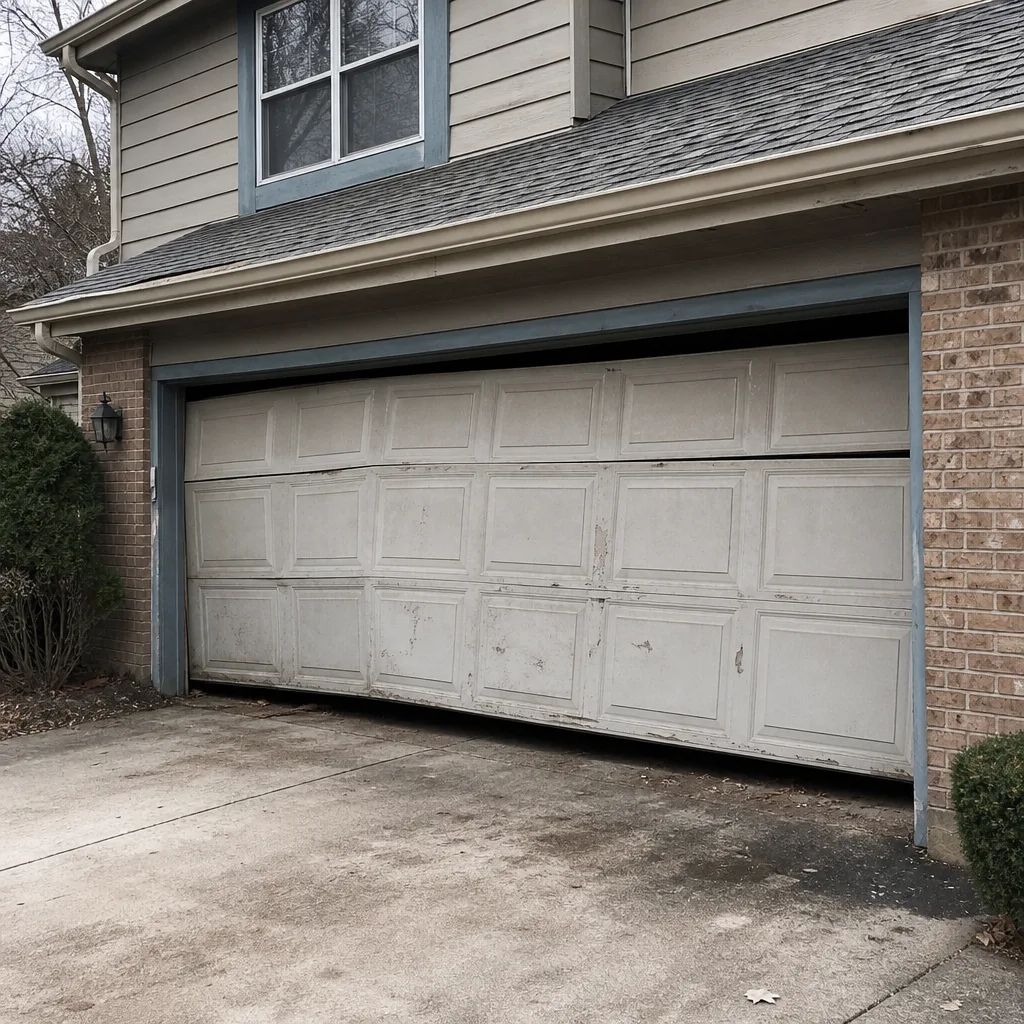 Before
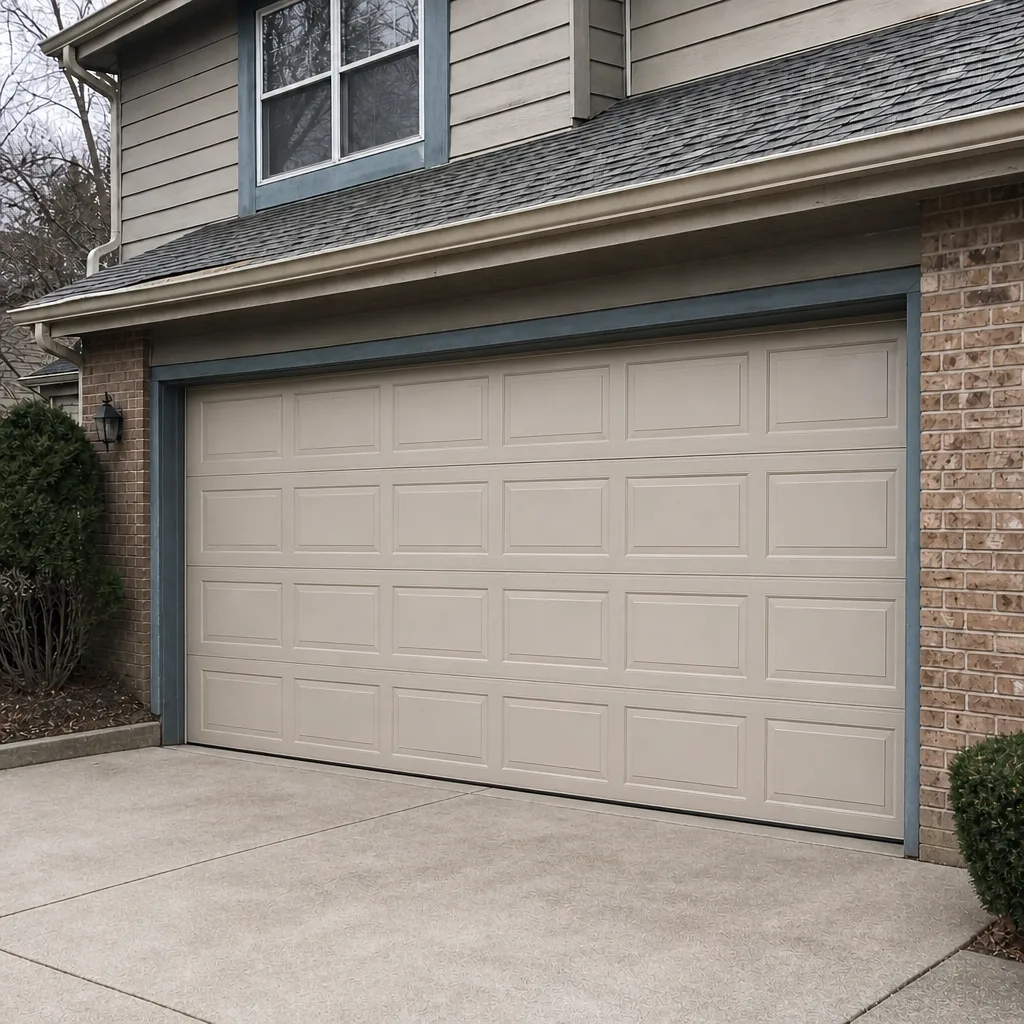 After
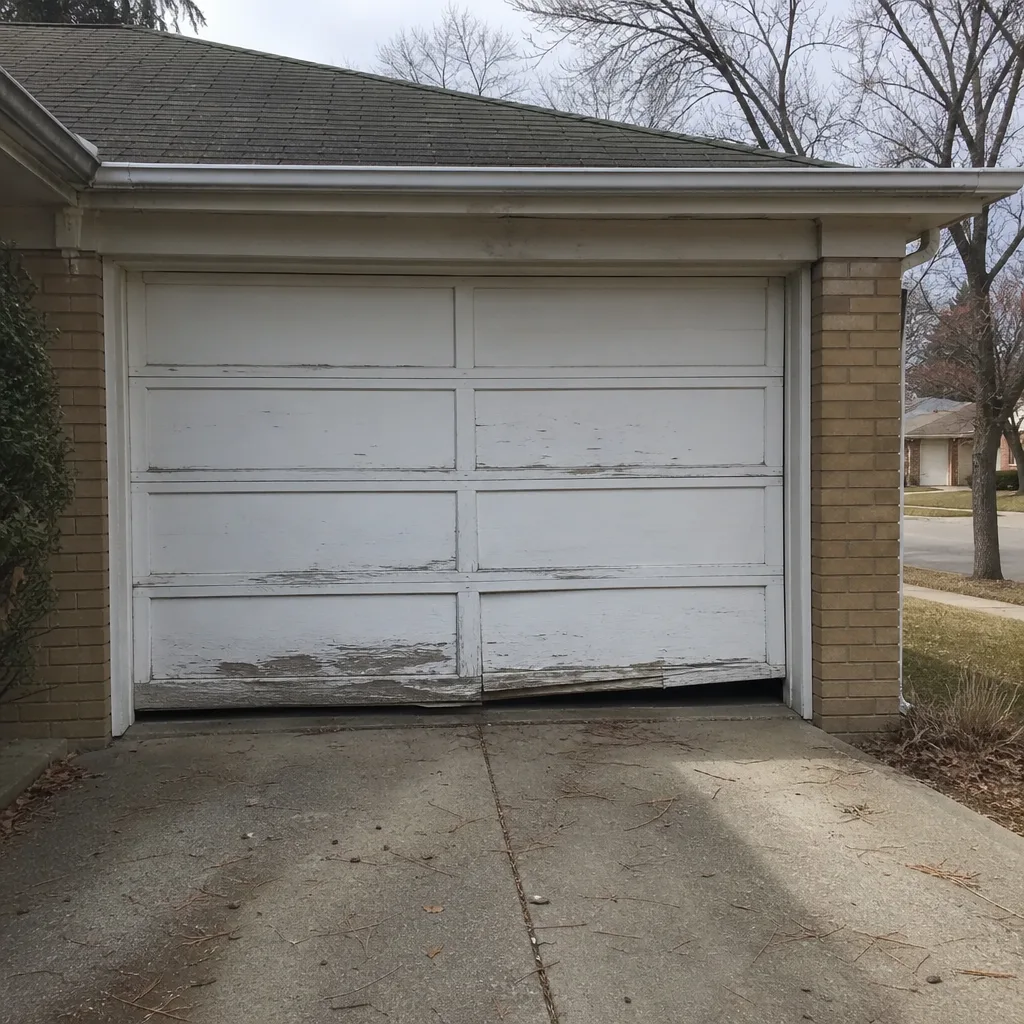 Before
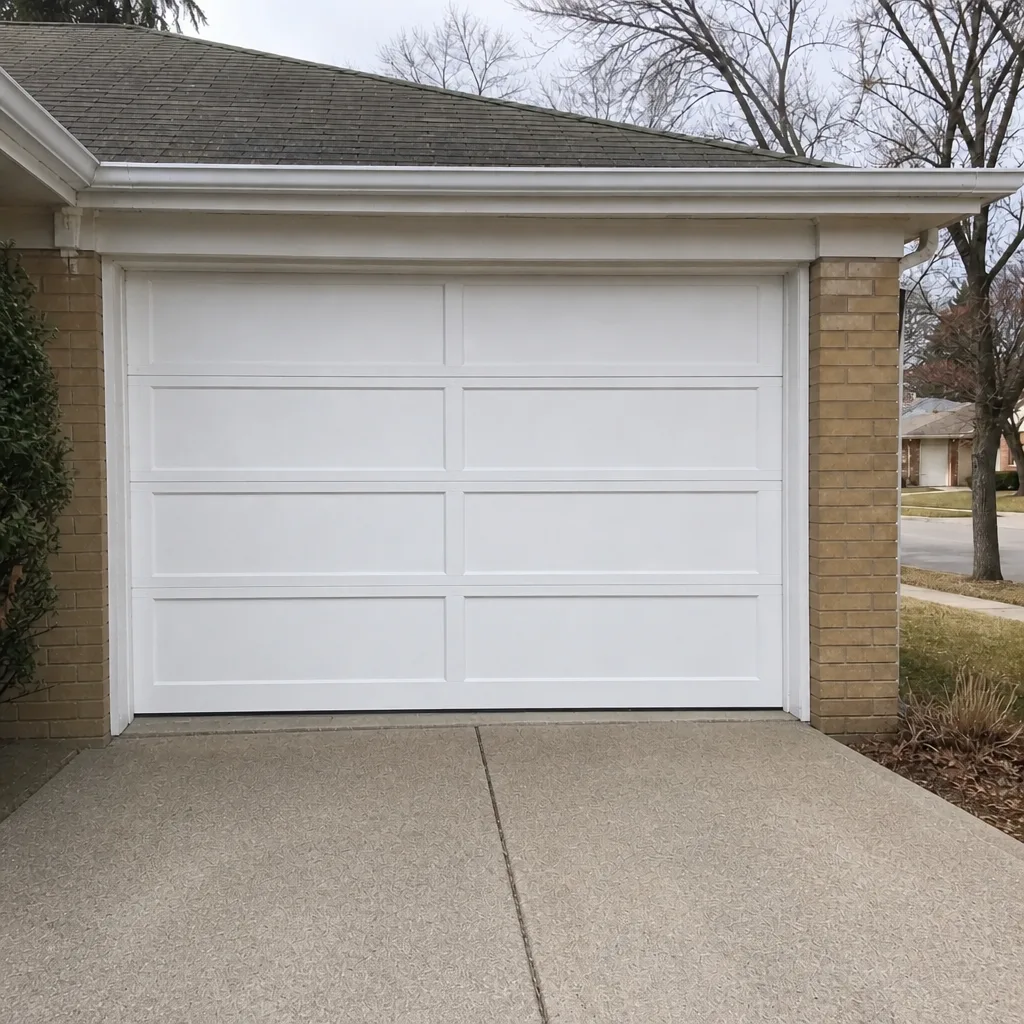 After
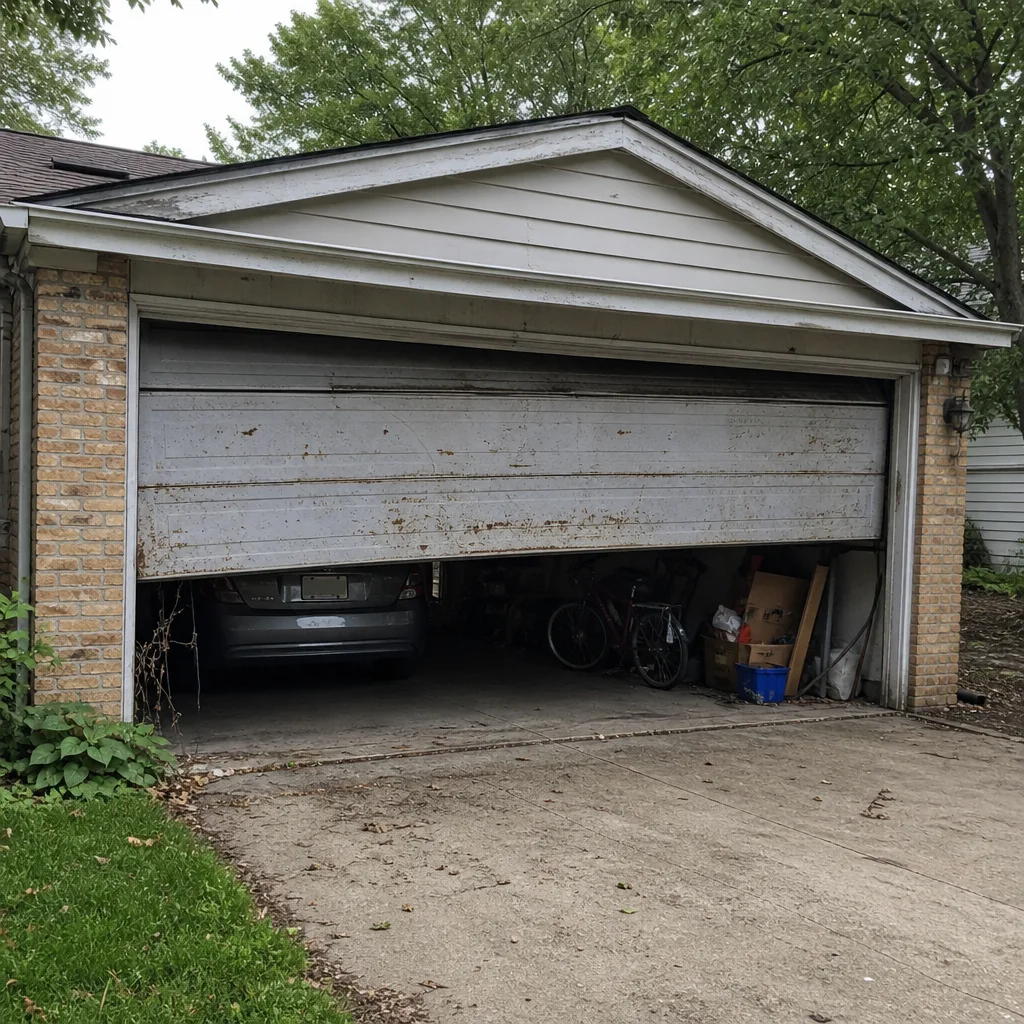 Before
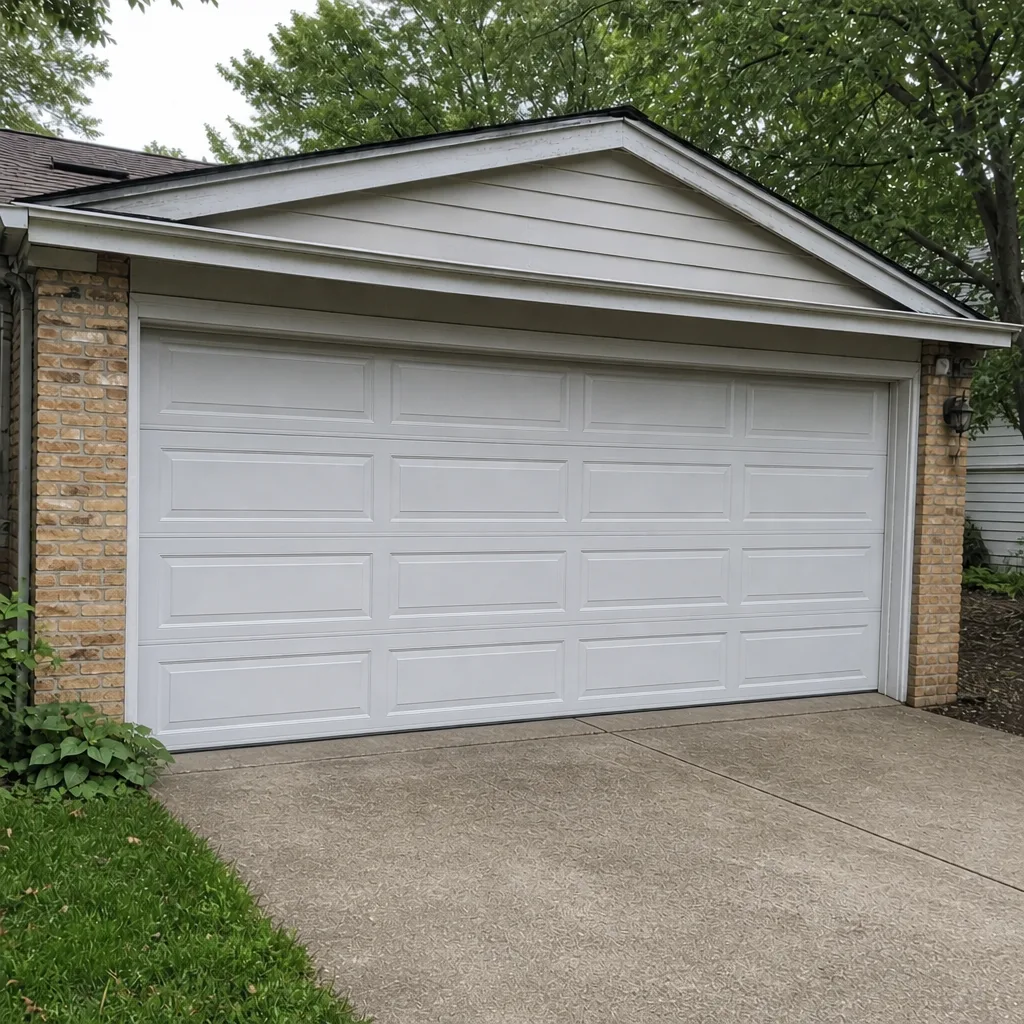 After
When to Call a Professional
Call a professional for any of these: a broken spring, dangling or off-drum cable, a door that is off-level or visibly bent, an opener that grinds, clicks, or reverses without a clear obstruction, a photo-eye sensor that won’t align, a door that has come off its track, or any situation where the door weighs more than you can safely handle. If you’re unsure, call. A phone diagnosis from a technician is free and saves you from making an unsafe call.
We offer emergency garage door service across Wheaton as a real service line, not a vague promise of a callback. If a car is trapped, a door won’t close, or the scenario is unsafe, call us at (844) 789-3469. For routine work, we offer free estimates in Wheaton, and the price is quoted and agreed before any work starts. Our technicians have up to 15 years of experience with the door and opener brands in Wheaton homes, including Amarr, Wayne Dalton, Craftsman, and Raynor.
Frequently Asked Questions
For a trolley opener, pull the red release cord straight down and toward the door, then lift the door by the bottom section. For a jackshaft or wall-mount opener, use the release lever on the unit body, and lift the door by hand. If your springs are intact, this is safe. If your springs are broken or the door feels unusually heavy, do not lift it. Call (844) 789-3469.
Yes, emergency garage door service is a real, staffed service line for us, not a callback promise. If a spring has failed, a car is trapped, or the door won’t close, call (844) 789-3469 and we’ll book the nearest available technician. The price is quoted and agreed before any work starts.
Cost depends on the failure. Spring repair, opener repair, and cable or track work each price differently, and we can’t give you a firm number without seeing the door. What we can promise: we quote the price and you agree to it before any work starts, and the written estimate is the final price. Estimates are free. Call (844) 789-3469 for an exact quote.
Stop, unplug the opener from the ceiling outlet, and keep everyone clear. Do not run the opener or attempt to lift the door by hand unless two adults can safely lower it. Then call a trained technician. Spring repair involves dangerous stored energy in the cables and drums, and this is one job that should never be attempted by a homeowner. Call (844) 789-3469 for spring repair.
Cold weather contracts the metal in springs and thickens lubricant on the tracks, both of which put extra load on the springs, cables, and opener. Frozen moisture under the bottom seal can also hand the door to the concrete apron. January is when we see the most spring failures in Wheaton. A pre-winter check, or 9-volt battery for the safety sensor test, prevents most cold-weather failures. If your door grinds, reverses, or stops partway when the temperature drops, call (844) 789-3469 before it fails entirely.
The local professionals we connect you with are licensed and insured as their state requires. Spring repair, opener service, and door installation are all handled by garage door specialists, not multi-trade handymen. If you want to confirm credentials before work begins, ask the technician directly when they arrive. Call (844) 789-3469 for a free estimate.
No, and we don’t recommend it. On torsion systems, springs operate as a matched pair, and when one lets go, the other has taken the same number of cycles and is likely to fail soon after. Replacing both now is cheaper and safer than replacing one and paying for a second visit when the other fails. Call (844) 789-3469 for spring repair.
No. Our technicians assess the door, quote the price, and wait for your agreement before any work starts. The written estimate is the final price for that job. If we find something else that needs attention, we tell you and let you decide, but we never proceed on a surprise charge. Call (844) 789-3469 for a free estimate.
The Bottom Line
Garage door emergencies in Wheaton follow predictable patterns. Springs fail in the cold, openers drop out during storm-season outages, and doors freeze to the apron in winter. Each has a clear procedure, and the difference between a manageable inconvenience and a dangerous situation comes down to a few points. Learn your opener’s release method. Store a step stool and a padlock near the door. Never run the opener on a broken spring. Never attempt a spring or cable repair yourself. And know when to call. If your door is broken, unsafe, or you’re not sure, call Wheaton Garage Door Repair Co at (844) 789-3469. Estimates are free, and the price is agreed before any work begins.
Written by the team at Wheaton Garage Door Repair Co.