Last updated November 22, 2026
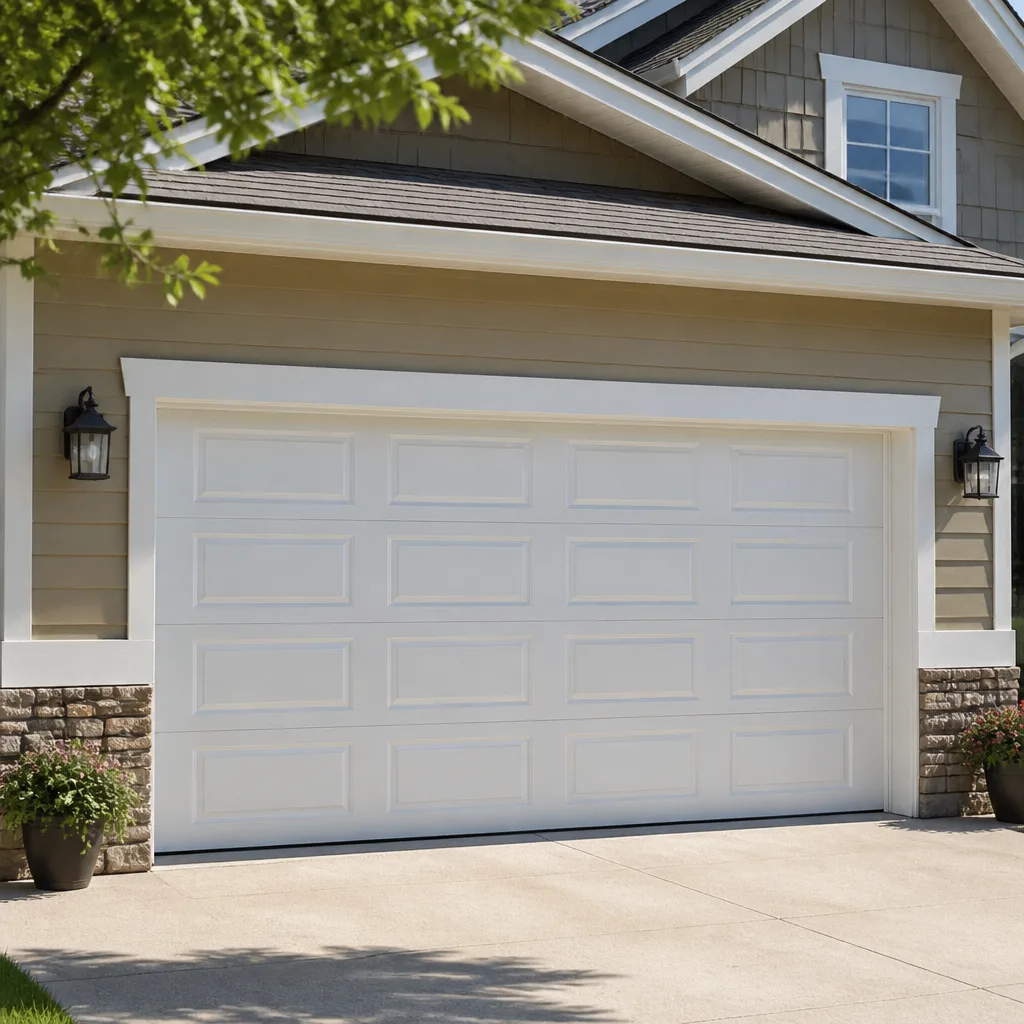 Raised-panel steel
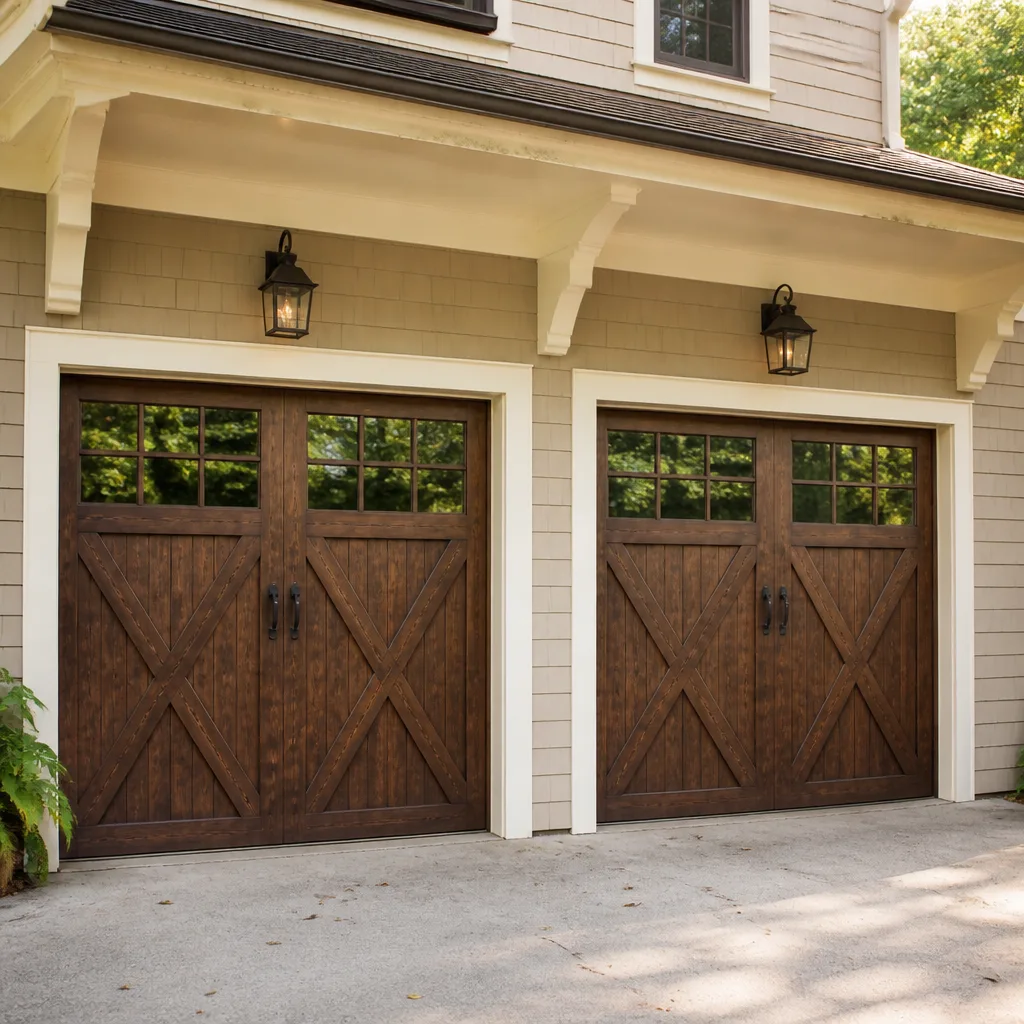 Carriage house
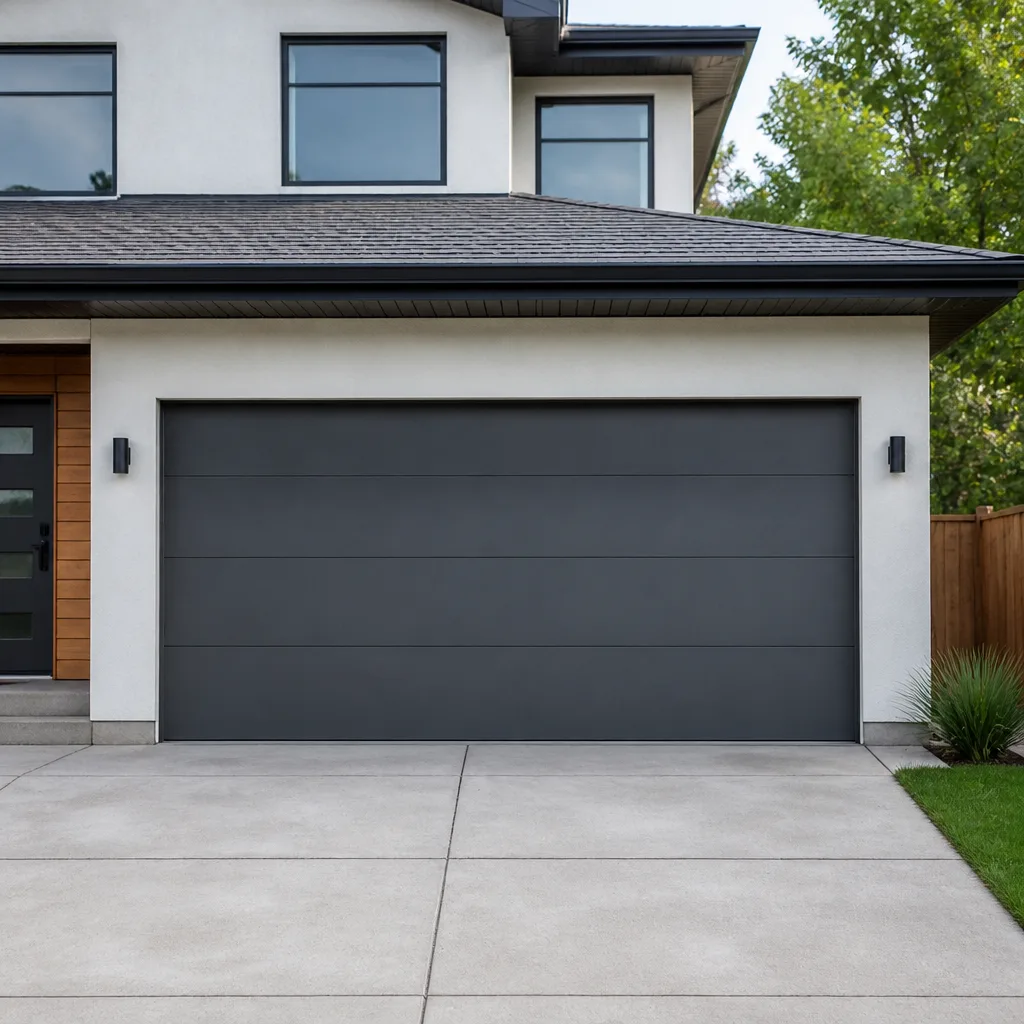 Modern flush
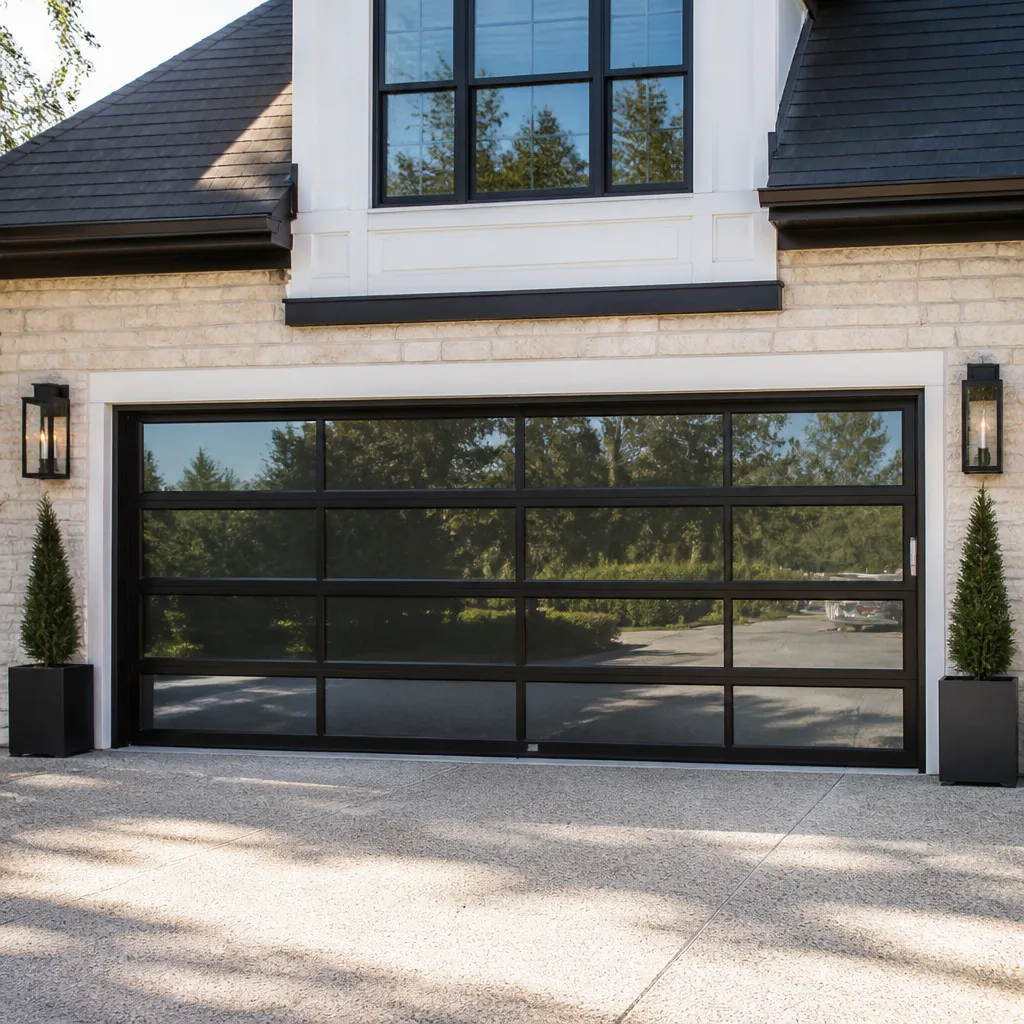 Full-view glass
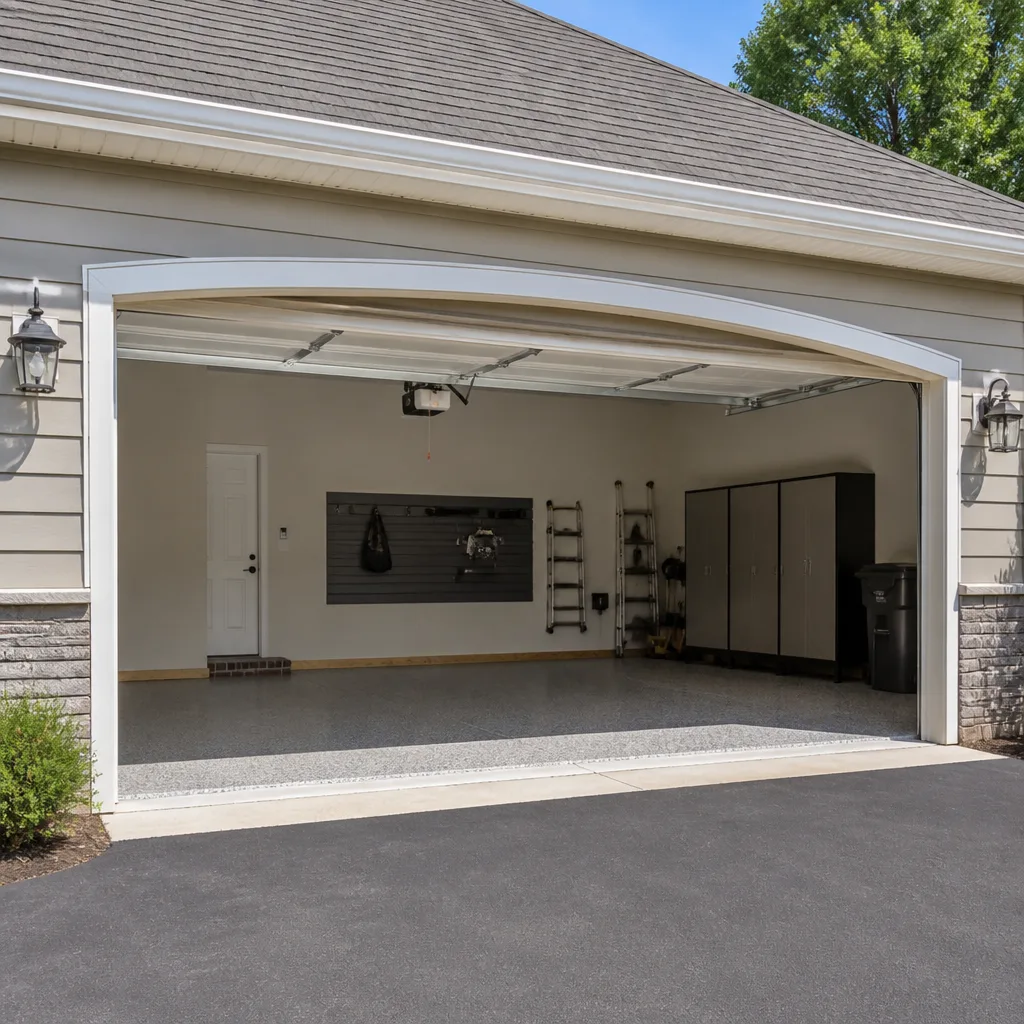 LiftMaster openers
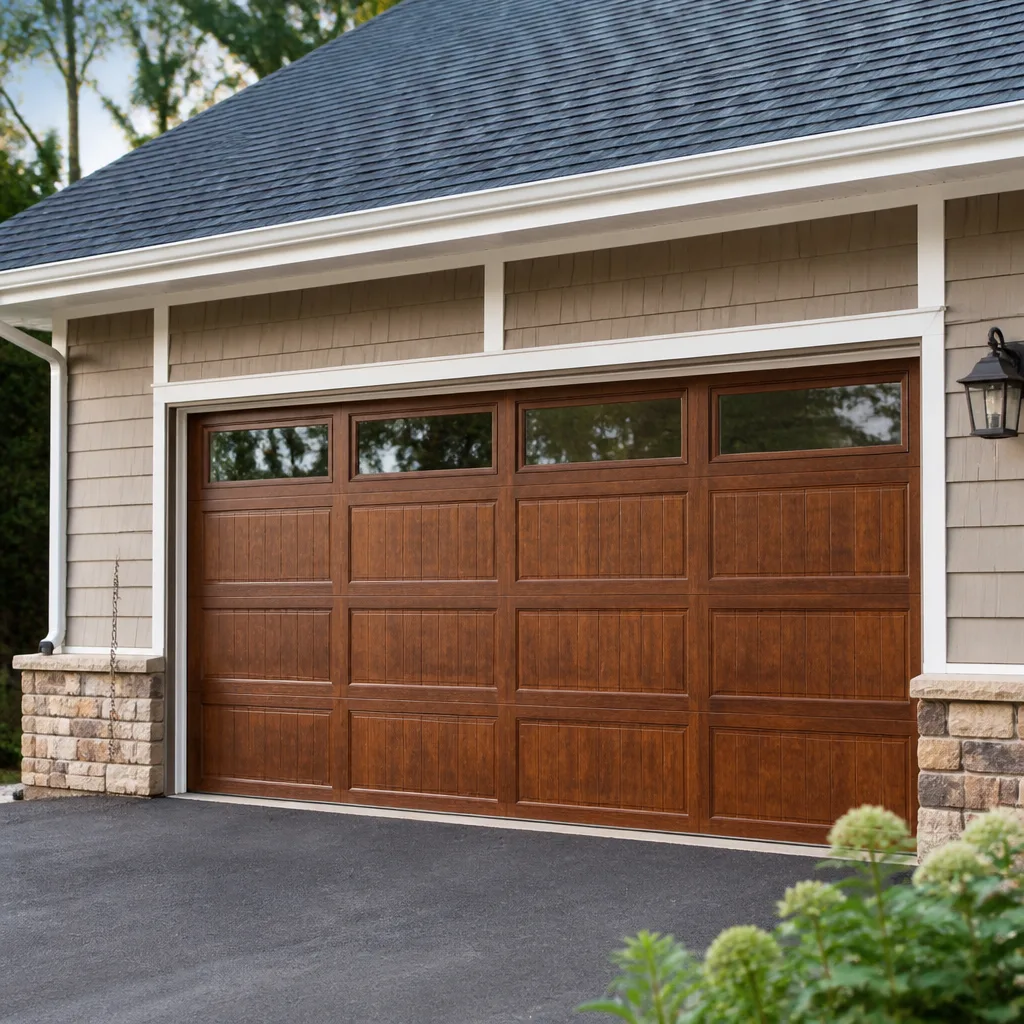 Chamberlain openers
Full 25-point door and opener safety check with every visit - springs, cables, rollers, tracks, and your LiftMaster or Chamberlain opener included
You get a price before we start. It does not change when the pro arrives.
Get your free estimateThe Complete Guide to Garage Doors in Wheaton
Most garage door guides start with “choose your style.” Wheaton homeowners should start with their header clearance. A surprising number of homes in this city’s older neighborhoods – the 1960s ranches and the Victorian-era two-flats closer to downtown – have garages with low overhead clearance, which eliminates half the openers on the market before you pick a single panel. Add DuPage County wind loads, zone 5 winters, and historic district rules, and you have a decision that’s less about garage doors in general and more about the specific garage behind your house. This guide walks through clearance, framing, opener compatibility, insulation values that actually matter here, HOA and historic overlay limits, and the real difference between replacing a door and upgrading a whole system.
Quick Answer
In Wheaton, the right garage door comes down to four local checks before style: your garage’s header clearance, the structural framing of the opening, how your home meets DuPage County wind load requirements, and any historic district or HOA limits on color, material, and windows. Get those four right and the door itself is straightforward. Get them wrong and you’ll spend money on a panel that doesn’t fit or an opener that won’t install. Older Wheaton housing stock – anything built before 1980 – is where most of these mismatches happen.
Styles & brands we work with
- Raised-panel steel
- Carriage house
- Modern flush
- Full-view glass
- LiftMaster openers
- Chamberlain openers
Table of Contents
- How Wheaton’s Older Housing Stock Changes Everything
- DuPage County Wind Loads and Detached Garages
- Which Insulation R-Values Actually Matter in Wheaton’s Winters
- HOA and Historic District Rules for Wheaton Garage Doors
- Garage Door Replacement vs. Full System Upgrade
- Choosing an Opener That Fits Your Wheaton Garage
- Why Brand Matters: Door and Opener Compatibility
- Seasonal Maintenance for Wheaton’s Climate
How Wheaton’s Older Housing Stock Changes Everything
Wheaton’s garage stock is not one thing. Drive through the neighborhoods around downtown and you’ll find garages built for cars that were smaller, lighter, and had far less overhead clearance than anything on the road today. Drive into the newer subdivisions further out and you’ll find tall, wide, high-ceiling garages built for trucks and SUVs. The two need different answers, and most buying guides split the difference by ignoring both.
Header clearance is the first thing we check on any installation or opener replacement in Wheaton. It’s the distance from the top of the door to the ceiling above it, and it determines what kind of opener will fit. There are three broad scenarios:
- Low clearance (under 12 inches): Common in mid-century garages. Standard rail openers won’t fit. You need a low-clearance or jackshaft opener, which mounts on the side wall and turns the torsion bar instead of pulling the door along a rail.
- Standard clearance (12 to 16 inches): Most openers fit here. This is the typical range for garages built from the 1980s onward.
- High clearance (18 inches and up): New-build territory. Any opener will work. Higher-lift tracks can raise the door to nearly the ceiling.
Framing is the second local variable. In older Wheaton homes, the garage opening is often framed with full-dimension lumber or with irregular spacing that doesn’t match current door sizes. That matters because a standard replacement door assumes a standard rough opening. When it doesn’t, the choice is to modify the framing or order a custom width. Both are legitimate; the point is to know which one you’re doing before the door arrives.
Structural sag is the third. A wood-framed garage over sixty years old can settle slightly, and the opening may no longer be square. A door built to spec will bind if the opening has shifted. We measure the opening in multiple places before ordering anything – width at the top, middle, and bottom, and height at both sides – because “roughly nine feet wide” is not the same as nine feet wide.
What This Means for Wheaton Homeowners
If your home predates 1980 and you have not replaced the door before, expect the installation to involve a measurement visit, not a phone quote. The variables matter too much for anything else.
DuPage County Wind Loads and Detached Garages
DuPage County sits in a wind zone that affects how garage doors must be built, and the effect is amplified on detached garages because they usually have taller, more exposed wall areas than an attached garage. A garage door is the largest moving wall in your house. In a heavy storm, it’s also the most likely point of failure.
Wind load ratings are not a single number. They combine wind speed, door size, and the door’s design. Wider doors need stronger panels and heavier reinforcement to meet the same rating, which is why a sixteen-foot door and an eight-foot door on the same street may not be interchangeable products. When you order a door, the manufacturer issues a wind load rating for the specific configuration you’re buying – size, panel design, glass options, and reinforcement all change it.
What this means in practice for Wheaton homes:
- Attached garages usually sit behind the main wall of the house and see less direct pressure. Standard residential ratings are usually sufficient.
- Detached garages stand alone. They typically need garage door reinforcement struts, heavier-gauge panels, or both.
- Garages with large glass or window inserts lose structural rigidity at each opening. A door with a row of small windows needs more reinforcement than a solid door of the same size.
We don’t guess at wind ratings. When we quote a door for a Wheaton home, the manufacturer’s wind load documentation for that exact configuration comes with it. If a contractor can’t produce that document, that’s worth noting.
The Detached Garage Question
A lot of Wheaton homes have detached or semi-detached garages – especially in the older neighborhoods closer to the center of town. If yours is one, plan on reinforcement. It’s not expensive relative to the door. It’s much cheaper than a panel that fails in the first strong storm.
Which Insulation R-Values Actually Matter in Wheaton’s Winters
Wheaton is in climate zone 5, which means real winters: freezing temperatures for months, frost heaves in the driveway, and enough cold that an uninsulated garage becomes a refrigerator from December through March. Insulation matters here. But the R-value on a product sheet is not the same as the R-value of a real door on a real wall.
Here’s what the marketing misses. A door’s stated R-value is measured in ideal conditions in a lab. On an actual garage wall, the effective value drops because of thermal bridging – the metal frame of the door conducts heat out through the panel – and because every joint, hinge, and weather seal is a leak point. A door rated R-9 with solid thermal breaks and tight perimeter seals will outperform a door rated R-12 with poor seals every time.
Three things matter more than the headline number:
- Type of insulation. Polyurethane foam-fill is denser and holds a higher R-value in a thinner panel than polystyrene. For Wheaton winters, polyurethane in the panel is usually worth the price.
- Thermal breaks. The capping between panel skins should include a thermal break, which stops heat from traveling through the metal. Without it, the panel’s rated R-value is theoretical.
- Perimeter seals and thresholds. The best panel on the market is a cold door if the weatherstripping is thin, cracked, or missing. New seals are cheap. Buying an R-14 door and skipping the seals is not.
For an attached garage under living space, an insulated door does help reduce heat loss into the house. For a detached garage that isn’t heated, insulation mainly helps by reducing condensation, which is a real benefit in Wheaton because freeze-thaw cycles drive moisture into anything uninsulated.
What We Recommend
For most Wheaton homes, a solid polyurethane-insulated door in the R-9 to R-16 range, installed with proper thermal breaks and good perimeter seals, covers the job. Do not pay extra for an R-18+ door on a detached, unheated garage; the extra value won’t show up on a thermostat you’re not running.
HOA and Historic District Rules for Wheaton Garage Doors
Wheaton has a historic district overlay near the center of town, and many subdivisions have HOA rules that restrict what a garage door can look like. If you order a door before checking these, you may find yourself in the position of paying for a door you’re not allowed to install.
What historic district and HOA rules commonly restrict:
- Color. Specific color palettes are often mandated – typically muted, earth-tone, or matched to the main house siding. A door in the wrong color may fail review.
- Material. Some districts and HOAs restrict steel doors and require wood or composite appearance. Others allow any material as long as the finish reads correctly.
- Window placement and style. Window rows, mullion pattern, glass type, and where the windows sit on the panel are all regulated in many cases.
- Panel design. Raised-panel, carriage-house, flush, and ribbed designs may all be allowed or restricted depending on the district.
The practical steps, in order:
- Check if you’re in a historic district. City of Wheaton planning can tell you. Do this first, before you look at doors.
- Get the HOA rules in writing. A verbal “I think that’s fine” from a board member is not going to survive a change in board.
- Submit your planned door for approval before ordering. The approval usually requires the model, color, and window configuration. Having all three ready speeds the process.
- Keep the approval in writing until the door is installed.
We’ve handled installations under both historic district and HOA rules, and the process is manageable when it’s done in the right order. It’s when a door is ordered first that the problems arise.
Garage Door Replacement vs. Full System Upgrade
“Replacement” and “upgrade” are not the same job, and confusing them is one of the more expensive mistakes we see in Wheaton. A replacement means new door panels and hardware on the existing track and opener. A full system upgrade means the door, tracks, springs, and opener are all brought to current standards together.
Here’s how to think about which one fits your situation:
Replace Just the Door When
- The existing door is cosmetically tired (faded, dented, weathered) but structurally working.
- The tracks are straight, the springs are within their service life, and the opener is functioning reliably.
- You want to change the look, add windows, or improve insulation, and the mechanical components are still in good shape.
- The garage opening is a standard size and the existing framing is square and solid.
Do a Full System Upgrade When
- The springs are over their useful life and the door is coming off anyway. Springs are the most dangerous component in the system; replacing them while the door is off is the safest and most economical approach.
- The tracks show wear, kinks, or misalignment that no amount of adjustment will reliably fix.
- The opener is more than a decade old or lacks modern safety reversal features.
- The door is uninsulated and you’re upgrading to a heavier insulated panel – heavier doors need heavier springs and, often, a stronger opener.
- You’re upgrading the opener to a smart drive (LiftMaster’s myQ line, for example) and want the door and springs matched to it.
In Wheaton’s housing market, where a working, well-maintained garage reflects on a home’s curb appeal, a full system upgrade is often the better financial choice when two or more components are near end of life. But it’s not automatically the answer. We quote each piece separately so a Wheaton homeowner can see what they’re paying for and choose what fits.
The Financial Reason It Matters
Replacing a door on a thirty-year-old drive system means spending full price on a new door while the tracks and springs continue to age. A full system upgrade costs more up front but spreads the wear across a matched set. The trade-off depends on where your existing components are in their service life.
Choosing an Opener That Fits Your Wheaton Garage
The right opener depends on three things: header clearance, door weight, and what the driver actually needs to do (smartphone control, battery backup, quiet operation under a bedroom). Header clearance is the one that decides compatibility. Everything else is preference.
Two real classes of opener come up most in Wheaton homes:
- Belt-drive openers. Quieter, better for garages under living space. Common in the newer subdivisions where garages sit under bedrooms.
- Chain-drive openers. Louder, but built for heavier doors and harsher use. A good fit for detached garages where noise doesn’t matter.
- Jackshaft (side-mount) openers. Mount on the wall beside the door and turn the torsion bar directly. Required when there’s not enough overhead clearance for a standard rail. Common in older Wheaton garages with low headroom.
For smart-enabled systems, LiftMaster’s myQ line and Chamberlain’s equivalents are the most common; Genie’s offerings and Craftsman’s legacy drives are similarly common in Wheaton homes. All four are within our service range. If your current opener is a Craftsman installed by the original builder, it may predate modern safety reversal technology and warrant a replacement regardless of whether it still “works.” Safety sensors and reversal mechanisms are not optional, and an opener that fails them is not a safe opener.
We test every opener we install for balance, reversal, and sensor function before we close the job. If you have a system that’s older than that standard, working with a company that services the brand you already own saves you the cost of switching. Our garage door opener repair work covers all of these brands, and diagnosing by brand behavior is a real advantage when a fault could be firmware, gear wear, or logic board.
Why Brand Matters: Door and Opener Compatibility
The garage door trade is not one brand. Door manufacturers (Clopay, Amarr, Wayne Dalton, Raynor) build the panel and the frame. Opener manufacturers (LiftMaster, Chamberlain, Genie, Craftsman) build the drive system. Most service calls involve one or the other, and knowing the brand tells a technician where to look first.
Some concrete examples:
- Clopay and Amarr doors use framing and hardware patterns that differ at the hinges and rollers. A Clopay replacement panel often won’t fit an Amarr frame without adaptation.
- Wayne Dalton’s Torquemaster spring system works differently from a standard torsion setup and needs proper handling. It’s serviceable – but it’s not the same job as a standard torsion spring replacement.
- Craftsman’s older opener lines use a drive gear that wears in a predictable pattern. When the motor runs but the door doesn’t move, we know to check the gear first.
- LiftMaster and Chamberlain’s myQ systems connect to home networks and app control; connectivity faults show up in predictable ways and the fix often isn’t hardware.
We service all eight major brands: LiftMaster, Chamberlain, Genie, Clopay, Amarr, Wayne Dalton, Craftsman, and Raynor. That means we diagnose by brand-specific behavior rather than guesswork, and we don’t outsource the work to another company that happens to have the part.
When Brand Compatibility Decides the Job
If you’re adding a smart opener to a thirty-year-old door, the door weight and panel type matter as much as the opener’s features. A heavy insulated door with old springs and a modern smart opener is a mismatch. The opener is doing more work than it should, which shortens its life. The right fix in that case is a matched upgrade, and a specialist will say so.
Seasonal Maintenance for Wheaton’s Climate
Wheaton’s freeze-thaw cycles are hard on garage doors. Moisture gets into the seals, freezes, expands, and works the metal and the weatherstripping loose. Add DuPage County’s summer heat, and the door takes a real temperature range across a year – which is why a door that “worked fine last spring” can bind in January.
The maintenance that actually matters here, in check-it-yourself form:
- Test the balance in spring and fall. Disconnect the opener and lift the door halfway. It should stay put. If it drops or rises on its own, the springs are out of balance – a technician’s job to adjust.
- Look at the weather seals at the bottom of the door and along the sides. Cracked or missing seals let water and cold air in. Replacing seals is inexpensive and prevents bigger problems.
- Test the safety sensors. Wave an object in front of the sensors while the door is closing. It should reverse. If it doesn’t, don’t use the door until a technician has looked.
- Watch for a door that binds, jerks, or sounds different. A door that used to open smoothly and now doesn’t is telling you something is out of adjustment.
- Keep the tracks clear and unbent. Don’t strike them with tools; don’t lean heavy items against them.
- Lubricate hinges and rollers with a garage-door-rated lubricant. Twice a year, before and after the heating season.
Never attempt to adjust or replace the torsion springs yourself. They are under extreme tension and can cause serious injury if they release unexpectedly. This is the single most dangerous component in a garage door system and it should only be handled by a trained professional. Same goes for the cables and any work on the track under load. If a spring breaks or the door is stuck partway open, that’s a call, not a project.
If your door is in emergency territory – car trapped, door halfway down, spring broken – our garage door spring repair and emergency service lines exist for exactly that. Spring repair is a named service for a reason: it’s the highest-risk repair in the trade, and we handle it as its own category rather than bundling it into a general repair call.
Common Mistakes to Avoid
- Ordering a door before checking header clearance. A door that fits the opening can still be unopenable if the opener can’t fit above it. Measure clearance first, then look at doors.
- Buying on R-value alone. The R-value on the product sheet assumes ideal conditions. Thermal breaks, hinge seals, and perimeter weatherstripping matter as much as the headline number, especially in zone 5 winters.
- Skipping the historic district and HOA check. Getting approval after the door is on the truck is a costly order in which to be wrong.
- Replacing a door while ignoring the springs. A new door on old springs is a system out of balance. If the springs are near end of life, plan them into the same job.
- Assuming every contractor services every brand. A generalist may not stock or be familiar with the parts for a Wayne Dalton Torquemaster setup or a Craftsman drive gear. Ask before booking.
- Ignoring a stuck door because “it still closes.” A door that binds, reverses, or drags is telling you something is failing. Waiting usually makes the repair bigger.
- Attempting spring or cable work yourself. Torsion springs, extension springs, and cables are under extreme tension. This is not a DIY job, and no guide – including this one – should be read as instruction for doing it.
See the difference
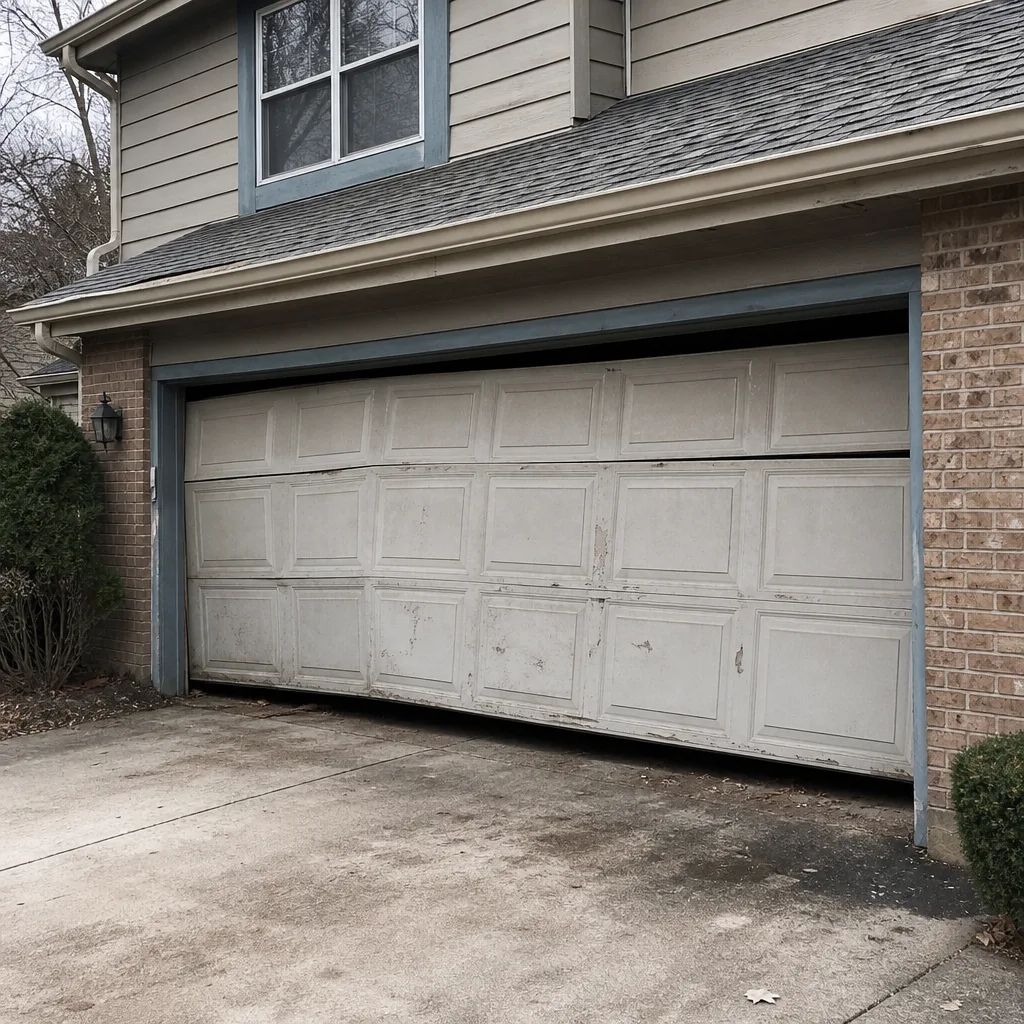 Before
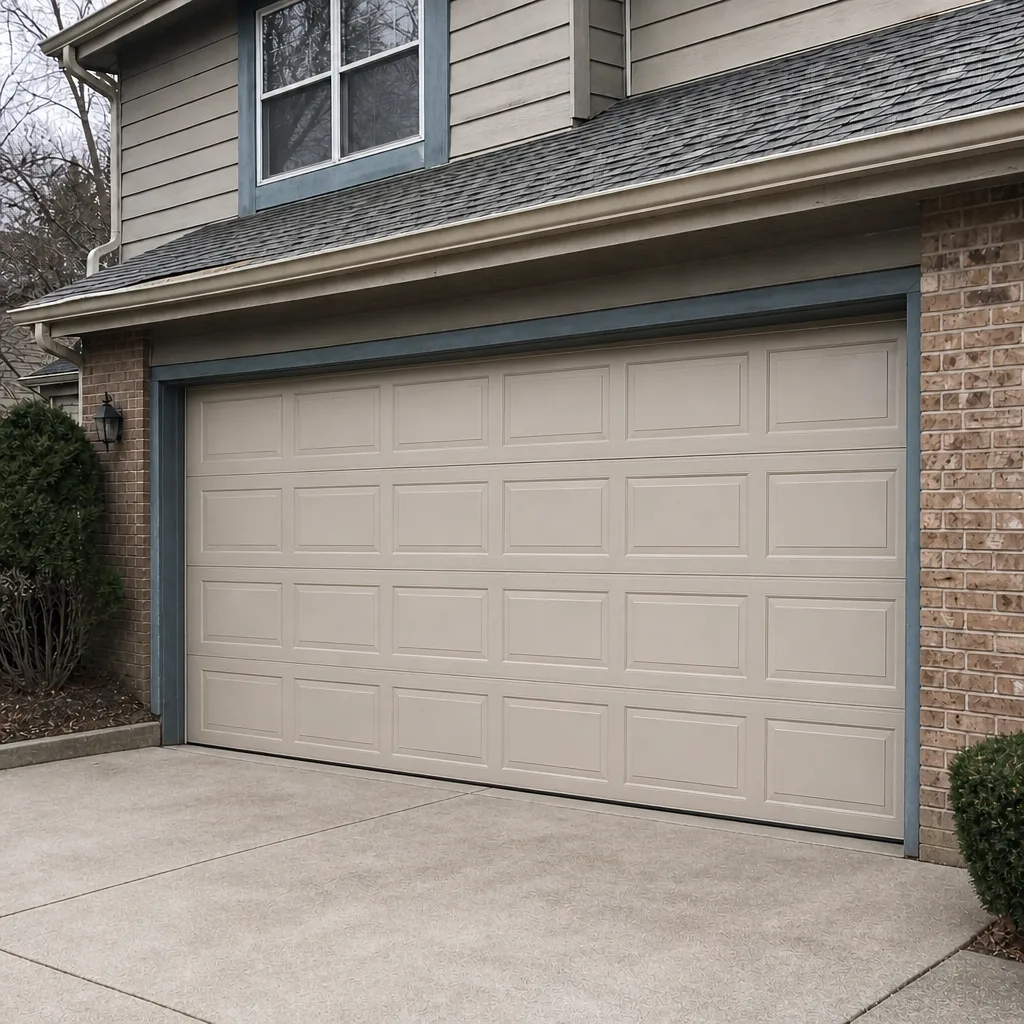 After
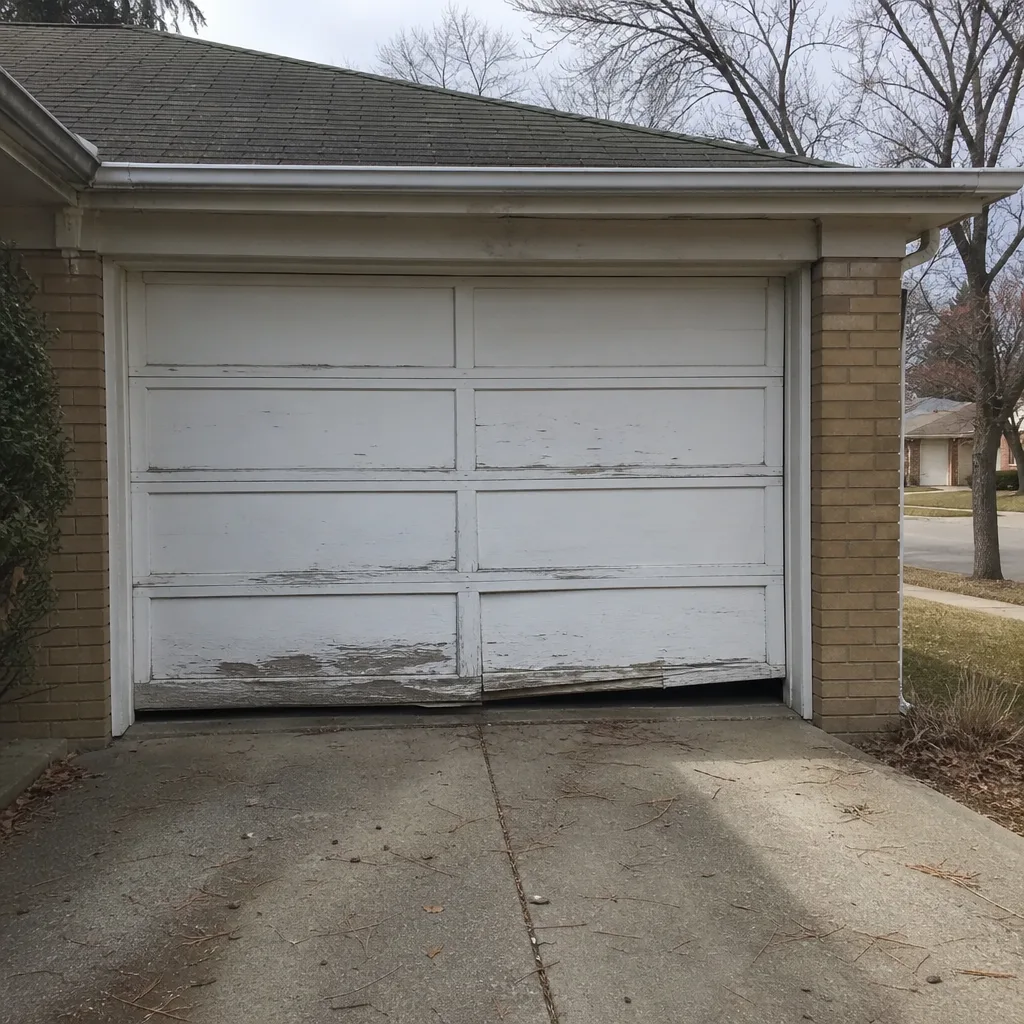 Before
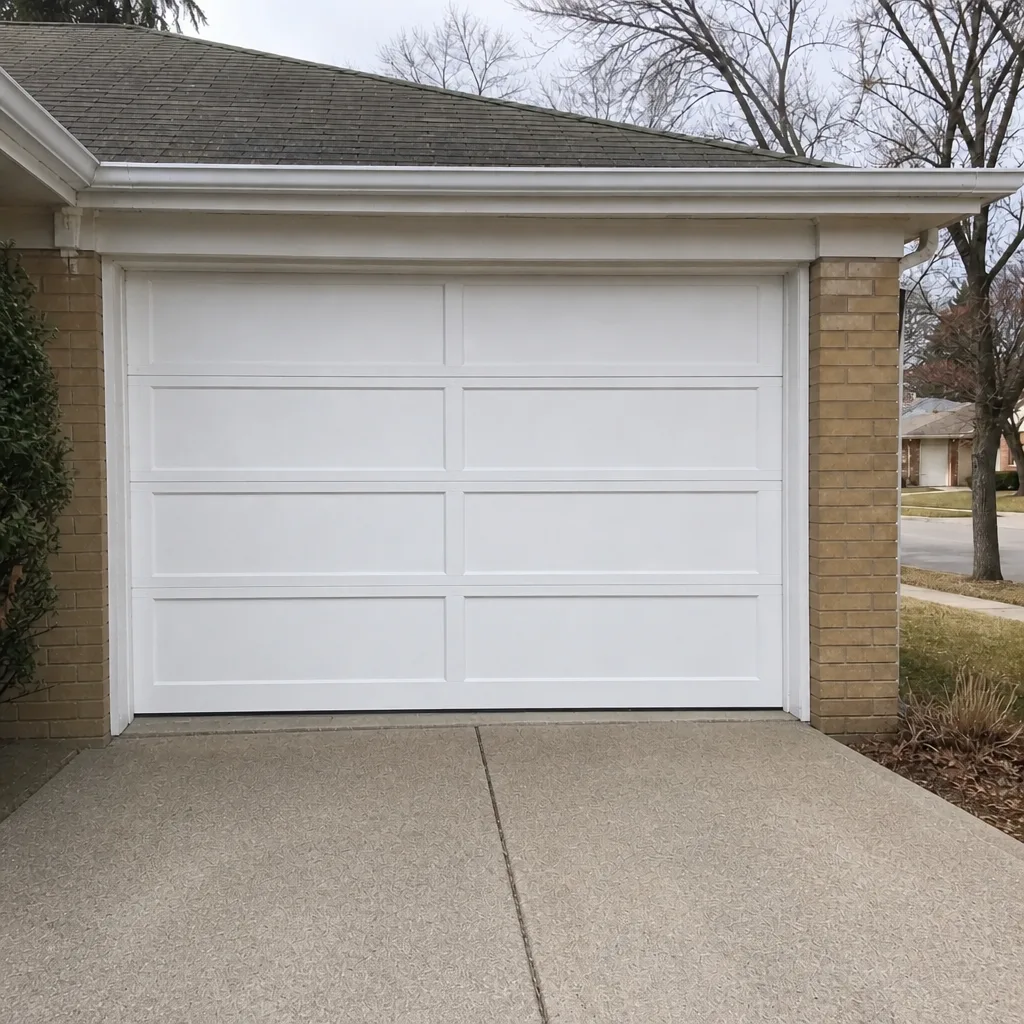 After
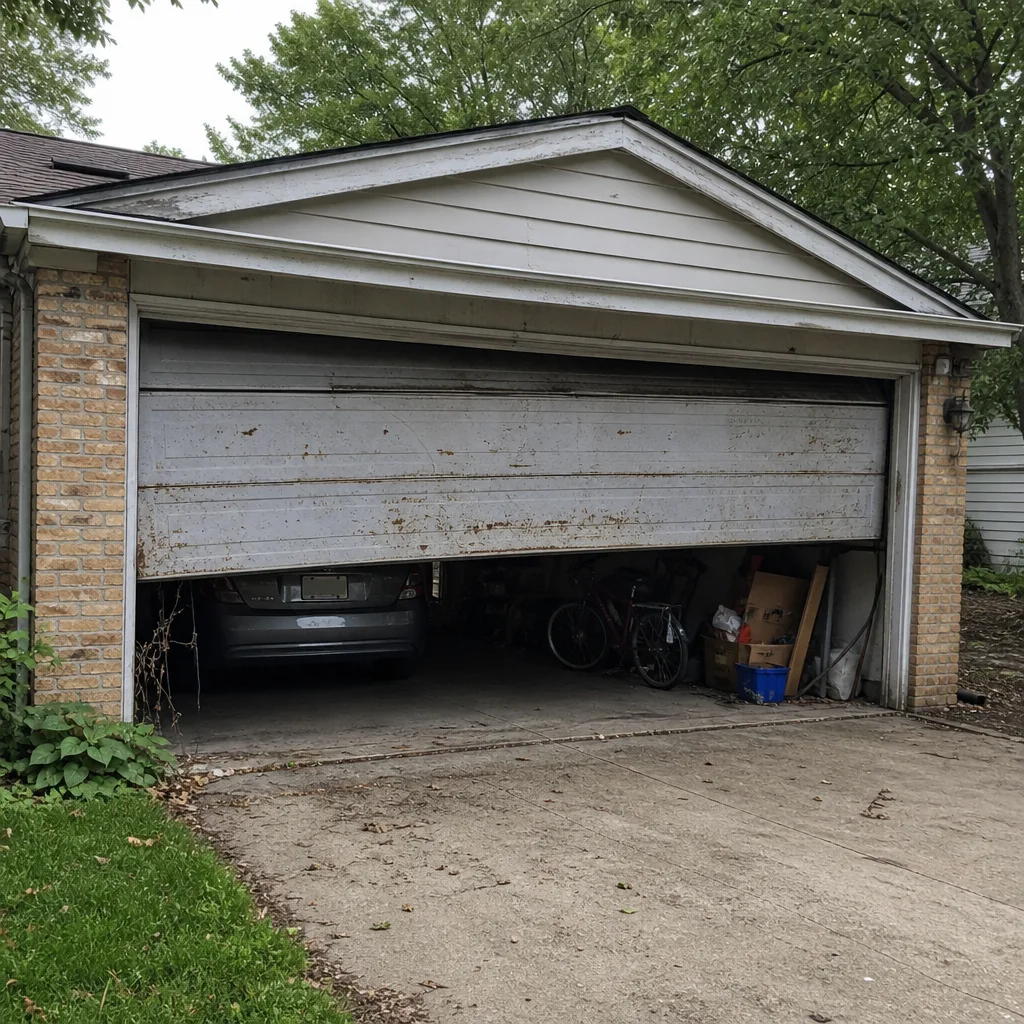 Before
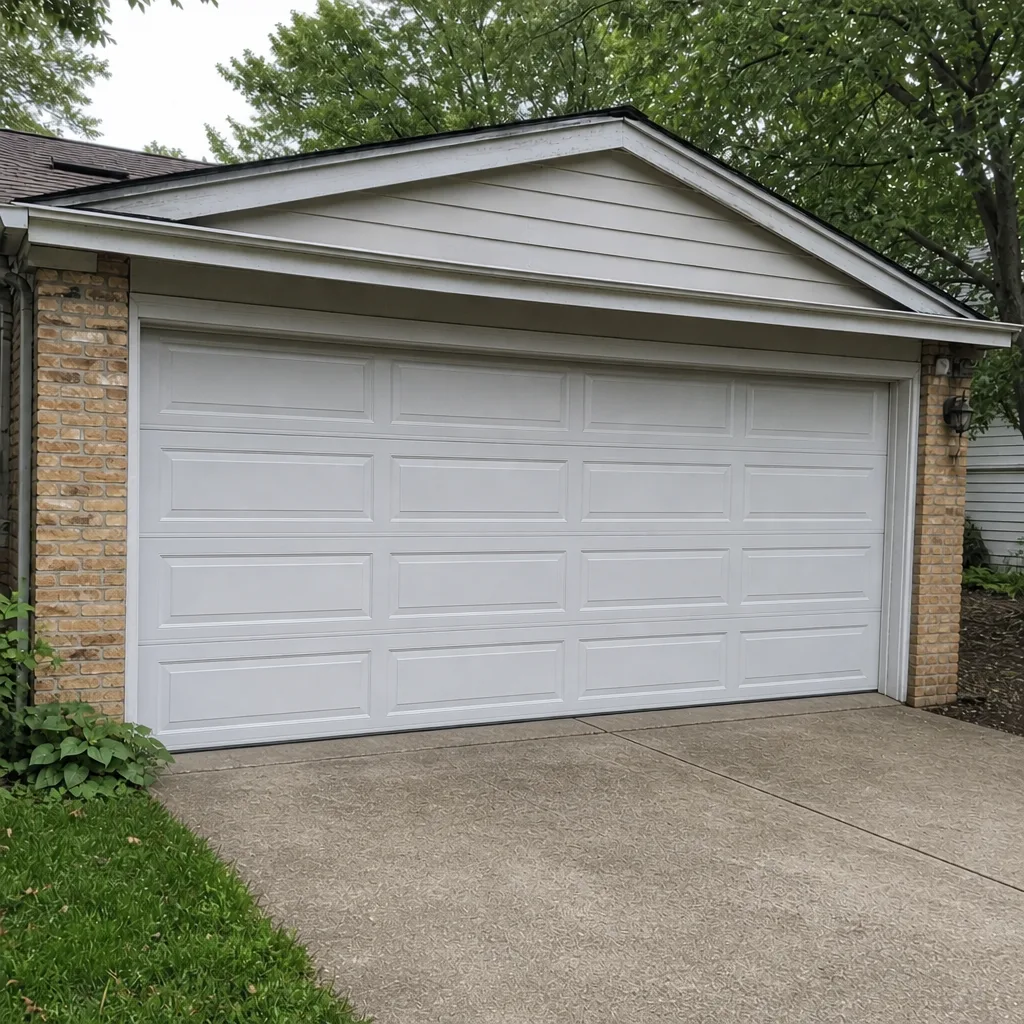 After
When to Call a Professional
Call a professional for anything involving springs, cables, or the counterbalance system under load. Call for a door that won’t close fully, that reverses on its own, that’s off its track, or that makes new noises. Call for an opener that fails its safety reversal test. Call for a car trapped by a broken door – that’s an emergency, and it’s a service line we run, not a callback promise. When we quote a Wheaton job, the price is quoted and agreed before any work starts, so a repair doesn’t become a negotiation after the fact. Our technicians have up to 15 years of experience, and the local pro we connect you with is licensed and insured as their state requires. For routine repairs, we work with the right part for your brand instead of a generic guess. Wheaton Garage Door Repair Co offers free estimates in Wheaton – call (844) 789-3469.
Frequently Asked Questions
It depends on the size, material, insulation level, and whether the installation site is a standard opening or needs framing or track work. Older Wheaton homes often present variables that don’t show up in a phone quote, and we won’t guess. The written estimate, given after we’ve measured the opening, sets the final price. Call (844) 789-3469 for a free estimate.
Yes, if your existing opener is compatible with the new door’s weight and your tracks and springs are in good condition. A heavier insulated door often needs stronger springs, and sometimes a stronger opener, so the two questions need to be answered together. We check compatibility before quoting.
They can. Historic district overlays and HOA rules may restrict color, material, window placement, and panel design, and approval is usually required before installation. Check with the City of Wheaton planning department and your HOA in writing before ordering a door. We can work with you on the approval process.
A repair is a scheduled service call for something that’s broken or out of adjustment but not presenting a hazard. An emergency call covers a car trapped by a broken door, a spring that’s failed, or a door stuck partway open. We run emergency service as a real service line – same-day response when a job is urgent – not a callback promise.
We service LiftMaster, Chamberlain, Genie, Clopay, Amarr, Wayne Dalton, Craftsman, and Raynor – eight of the most widely installed door and opener brands in the country. Brand-specific knowledge means we diagnose by behavior rather than guessing, and we work with the right part for your system instead of a generic one.
Twice a year is a reasonable rhythm: once before winter and once in spring. Freeze-thaw cycles work on seals, hinges, and the balance of the door, so a check before the cold arrives prevents most of the winter breakdowns we see. You can test balance yourself; leave spring adjustment to a technician.
Not safely, and not with a warranty you can rely on. Torsion springs and cables are under extreme tension and can cause serious injury. A full install also involves wind load ratings, structural shear, and opener alignment that require the right tools and training. The installation fee is the cheapest part of doing the job right.
The Bottom Line
Wheaton garage doors are not a generic purchase. Header clearance decides what opener fits. Framing and structural condition decide whether replacement needs custom work. DuPage County wind loads change what reinforcement is required, especially on detached garages. Insulation values only matter when thermal breaks and seals are right. Historic district and HOA rules can shape color, material, and windows before installation. And the choice between replacement and full system upgrade comes down to where your springs, tracks, and opener are in their service life. Address those four checks first and the door itself becomes a straightforward choice. For the repair itself, our garage door repair service covers the full arc, and if you’re starting from scratch, this guide at Wheaton Garage Door Repair Co is where the rest of the answers live.
Contact Wheaton Garage Door Repair Co
If you’re ready to move from guide-reading to a quote on a real door in a real Wheaton garage, we’d like to help. Our team quotes every job before any work starts, so you’ll know the number before anything’s opened up. Call (844) 789-3469 for a free estimate. Let’s get the right door on the right system.
Written by the team at Wheaton Garage Door Repair Co.